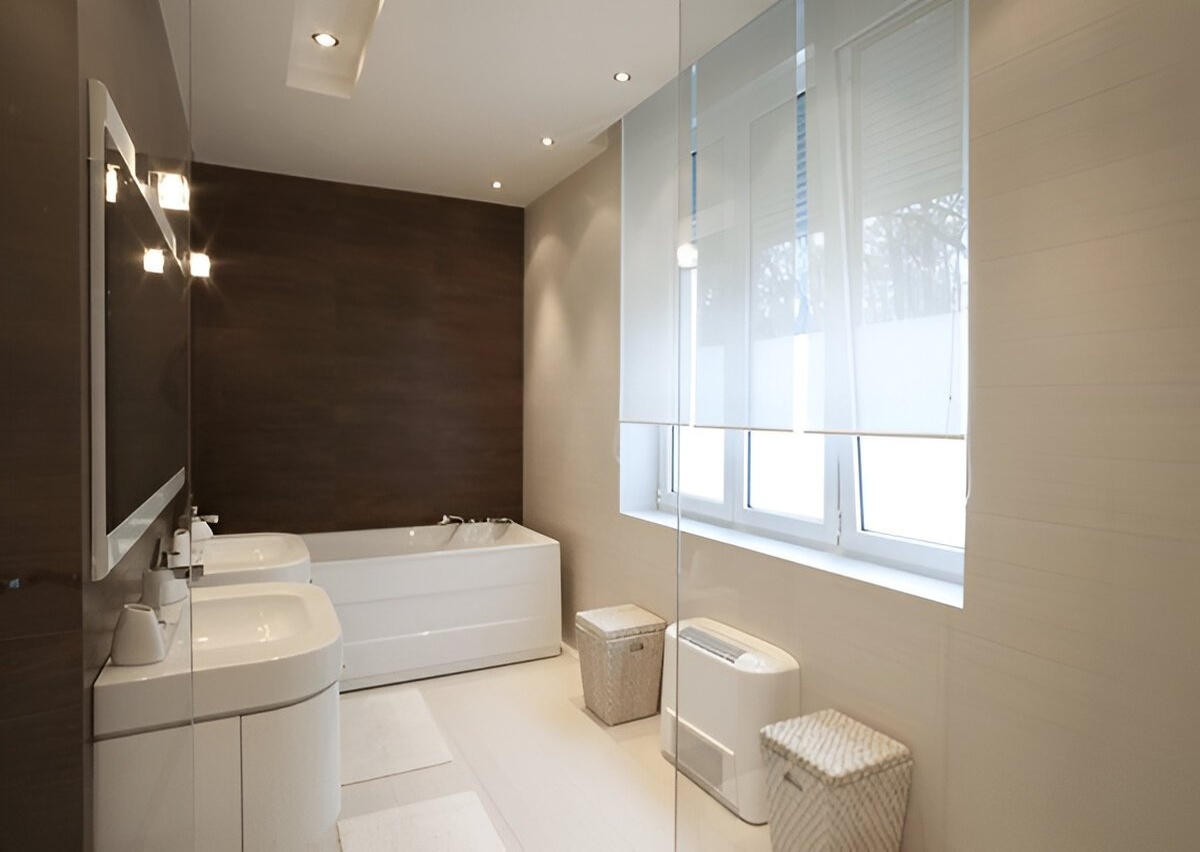
Post Contents [hide]
Having a bathtub at home is a dream for many people. But if your bathroom is small you might think it is impossible to fit one in. Most of the time, homeowners give up the idea because they believe a bathtub needs a big and wide bathroom. The truth is, with a few smart ideas and careful planning, you can enjoy the comfort of a tub even in a compact space. Imagine soaking in warm water after a long day. It feels like a luxury spa at home. A tub also makes your bathroom look stylish and can add value to your house.
There are many types of tubs made for compact spaces. From deep soaking tubs to corner bathtubs, there are different types that best suit your layout. You just need to know the right ideas. This guide will show you how to add a bathtub for small bathroom spaces without losing comfort or style. This guide will show you how to add a bathtub for small bathroom spaces without losing comfort or style.
Why Can a Bathtub Work in a Small Bathroom?
It’s a common myth that tubs only work in large bathrooms. With modern design trends, even the tiniest bathrooms can have one. Today, many tubs are designed smaller but deeper. Some are shaped to fit neatly in a corner. Others are built into alcoves that save space.
Adding a bathtub in a small bathroom is not just about looks. It can also make life easier. Families with children often find tubs very useful. Older people or anyone with health needs may also prefer a tub for soaking. And let’s not forget, when it comes time to sell your home, buyers often see a bathtub as a plus.
So don’t cross it off your list if your bathroom feels too small. With the right type and smart placement, it is possible to enjoy a relaxing bath even in a limited space.
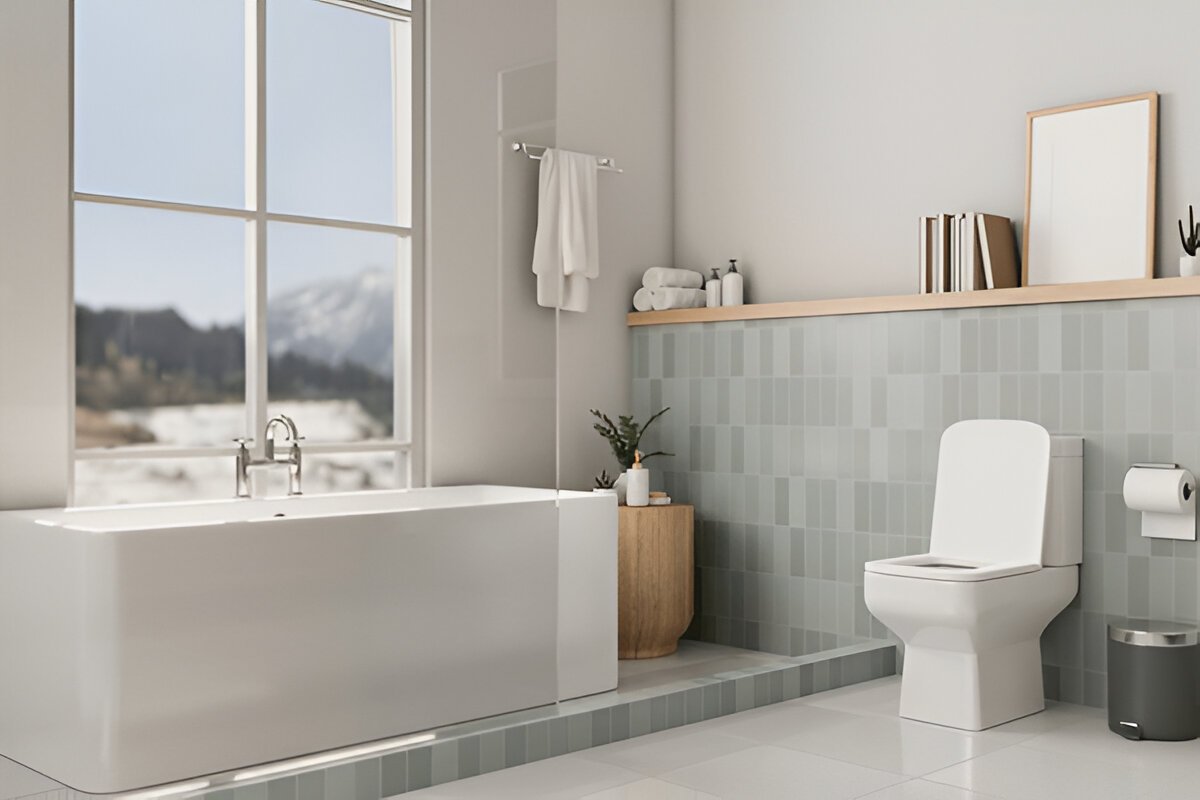
Types of Bathtubs That Work Well in Small Bathrooms
Choosing a bathtub for a small bathroom can feel hard, but it’s not impossible. There are many styles made just for compact spaces. Some are short but deep, some fit neatly into corners, and others even combine with a shower. Each type has its own pros, and the best one depends on how much space you have, its layout, and how you plan to use it. Below are some of the most useful and stylish bathtub options that work well in small bathrooms.
Corner Bathtubs
Corner bathtubs are a lifesaver when space is tight. They tuck neatly into one corner, which often stays unused in many bathrooms. These tubs free up more floor area for walking, storage, or even a vanity. They come in triangular shapes or rounded fronts. Triangular ones save the most space while rounded fronts give a softer, modern look.
A big plus is how they make small bathrooms feel more open. By pushing the tub out of the main pathway, you create better flow. They are also good for odd-shaped bathrooms where a straight tub just won’t fit.
You can add shelves or a tiled ledge above the corner tub for storing towels or bath products. The downside is, they are usually not as long as standard tubs, so stretching out is harder. Still, if you want comfort without sacrificing too much space, a corner tub is a smart pick.
Alcove Bathtubs
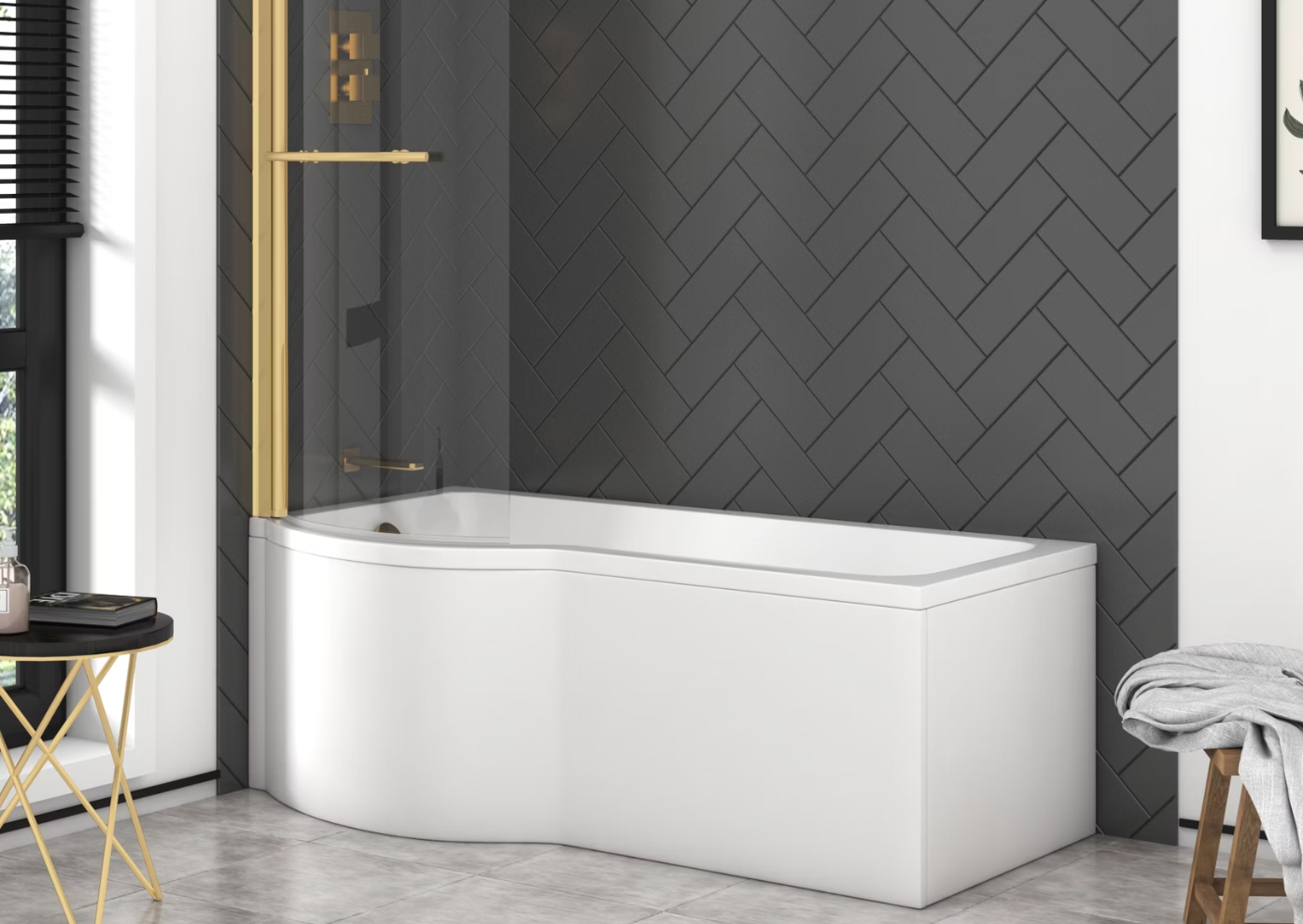
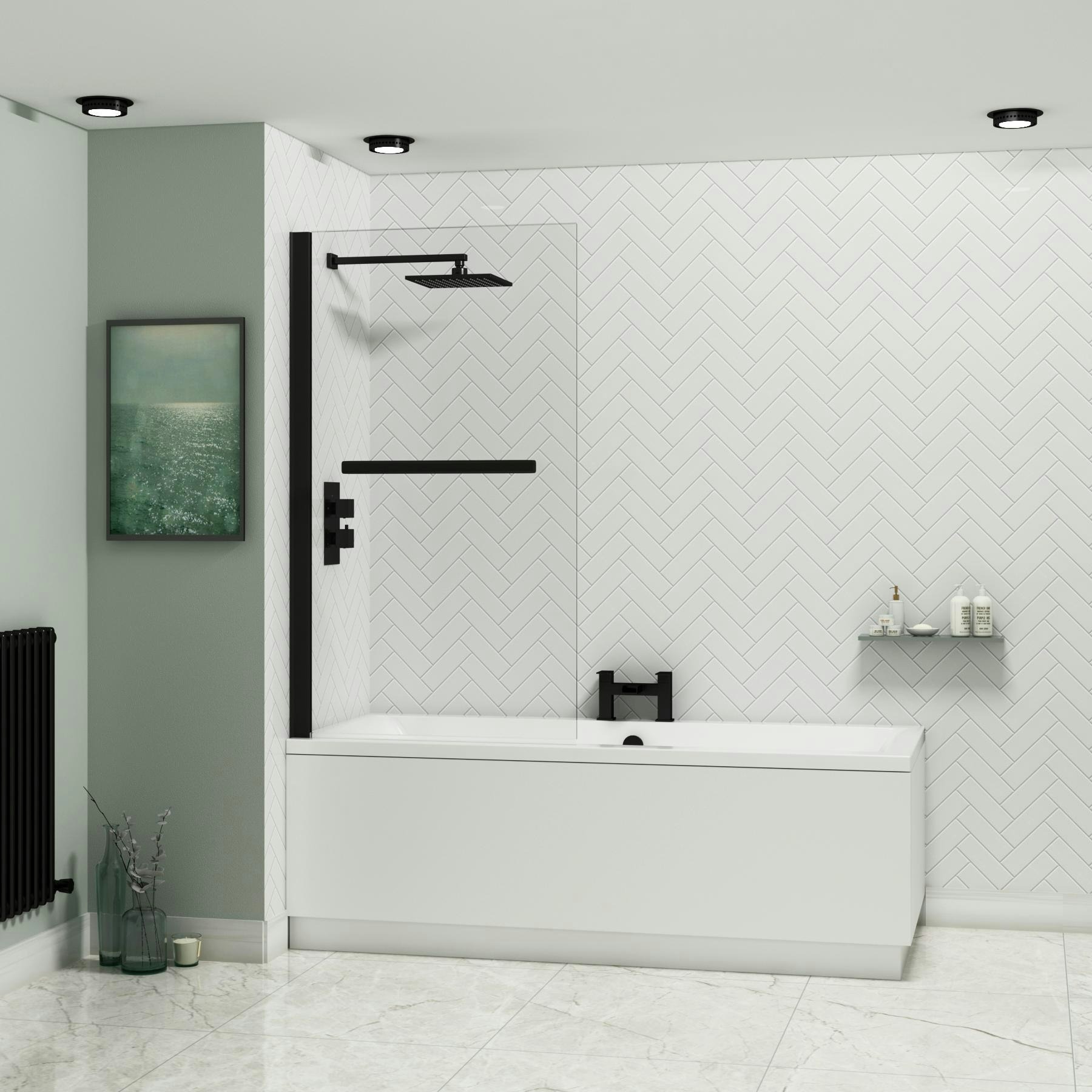
Alcove tubs are one of the most popular choices for small bathrooms. These tubs fit into a three-wall space, so they save room. They’re common in small bathrooms and apartments. If you already have a recess, installing this bathtub is easy.
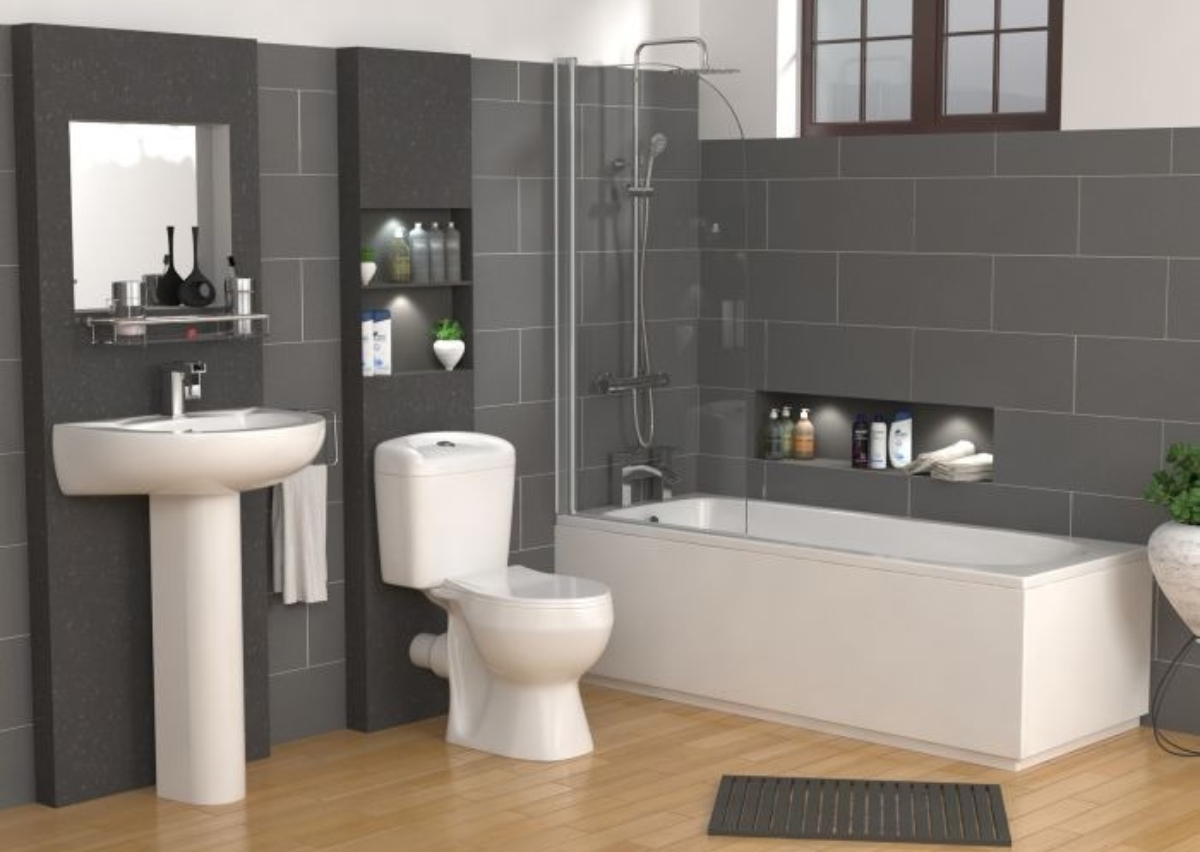
The best thing about alcove tubs is that they can double as a shower. You can install a shower head above and cover the front with a curtain or a glass panel. This gives you a two-in-one setup. It’s also cost-friendly since alcove tubs are usually less expensive than freestanding tubs.
Alcove tubs also allow you to build storage right into the wall. Recessed niches for shampoo bottles or shelves above the tub can keep things organized. The only drawback is that they don’t offer the same “luxury feel” as freestanding tubs. Still, for practical use in a small bathroom, they are hard to beat.
Shower-Tub Combos
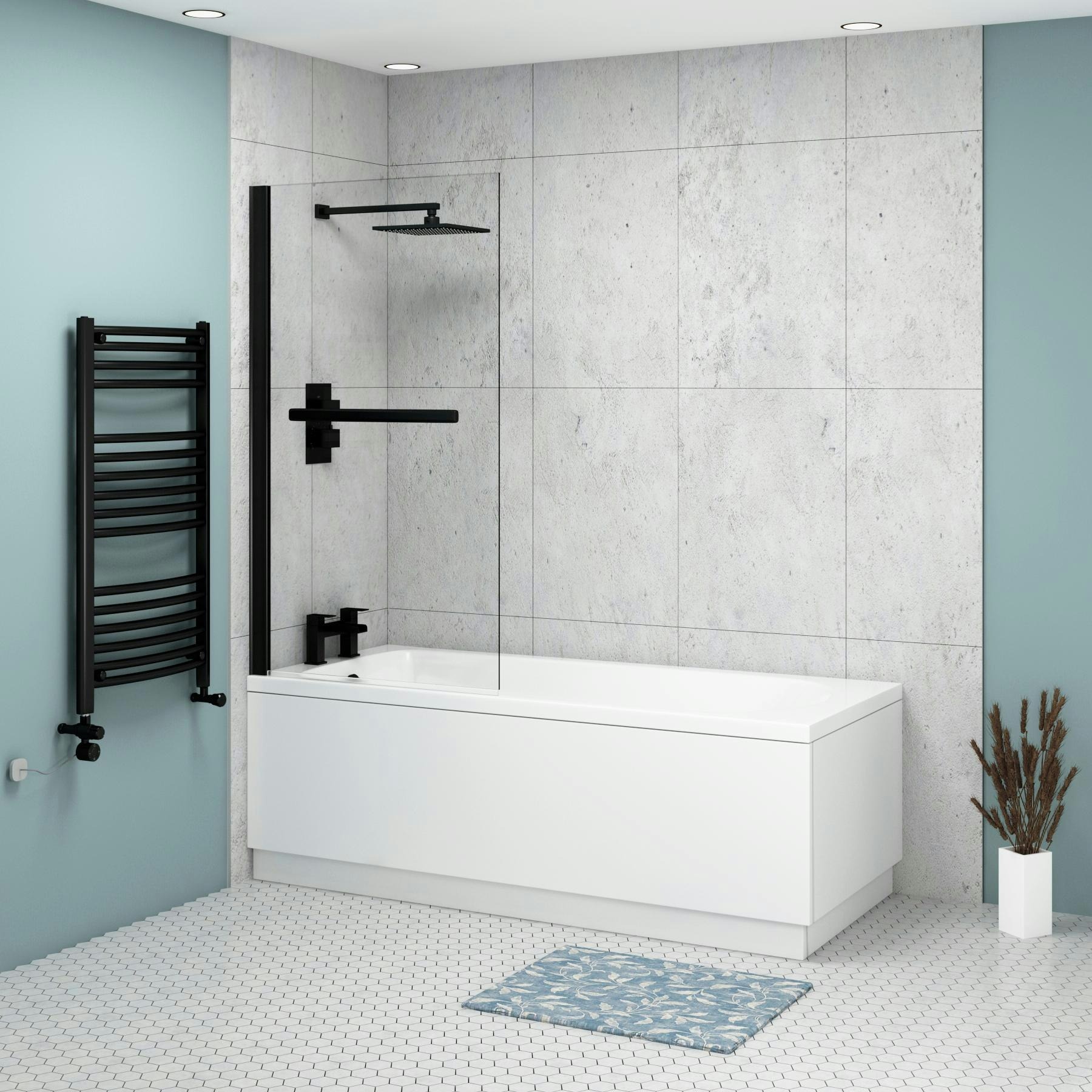
If you only have one bathroom in the house, a shower-tub combo might be the best choice. It saves space while offering the comfort of both options. You can take a quick shower in the morning or enjoy a long soak in the evening. Families with kids love this design since kids are easier to bathe in a tub.
You can keep the look simple with a shower curtain. Or, if you want a modern touch, go for a sliding glass door or a clear glass screen. Glass makes the room feel bigger because it doesn’t block sight lines.
The main challenge with shower-tub combos is cleaning. Since water splashes around more, you need to keep up with wiping down tiles and glass. But the versatility they provide makes them one of the smartest bathtub solutions for small bathrooms.
Compact Freestanding Bathtubs
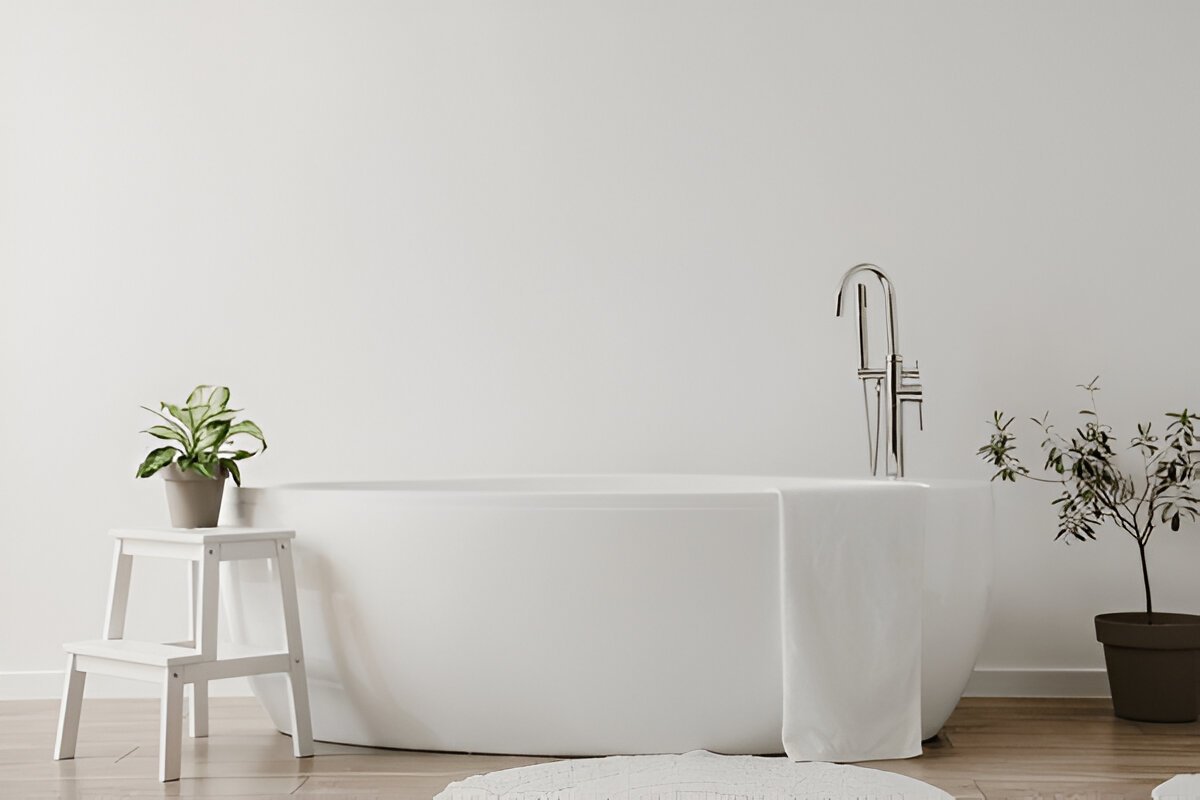
Freestanding tubs are usually seen in large, luxury bathrooms. But small versions exist, and they look just as elegant. Compact freestanding tubs range from about 48 to 55 inches in length. This makes them much shorter than traditional 60-inch tubs but still deep enough for soaking.
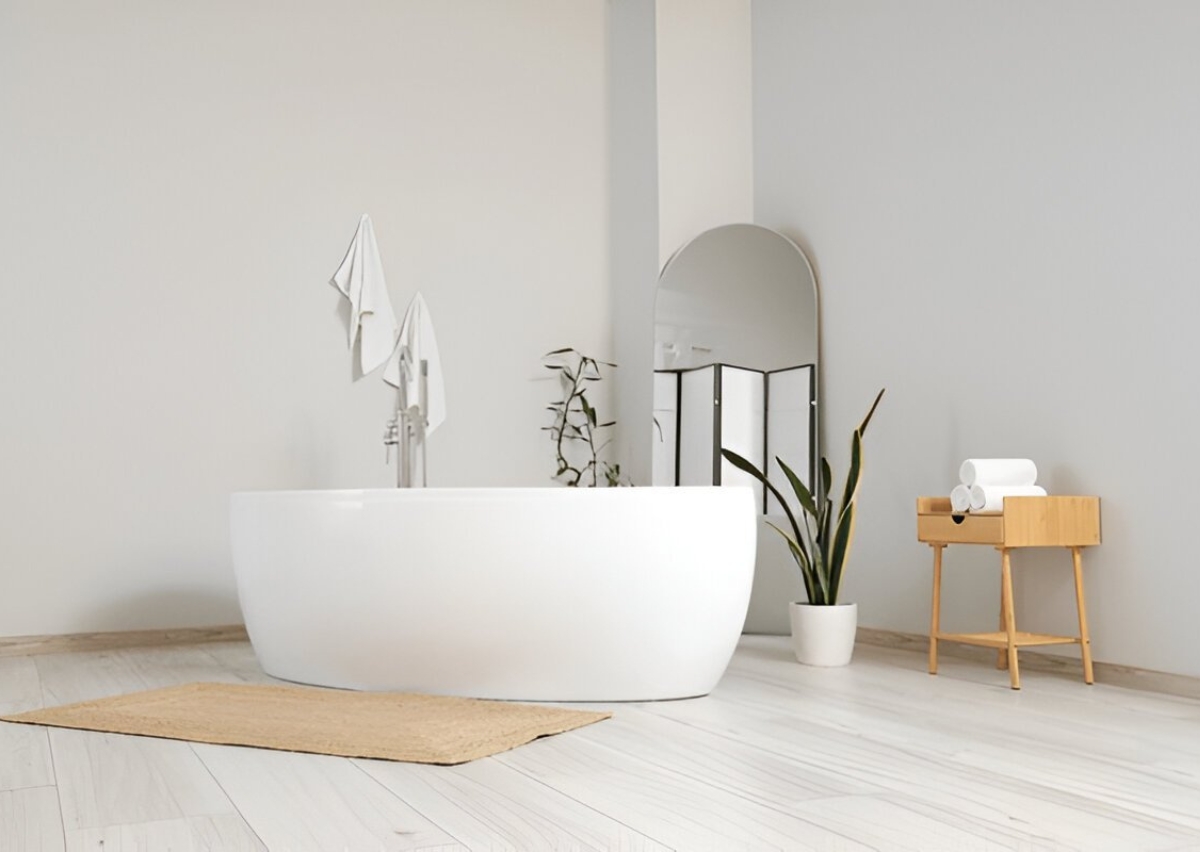
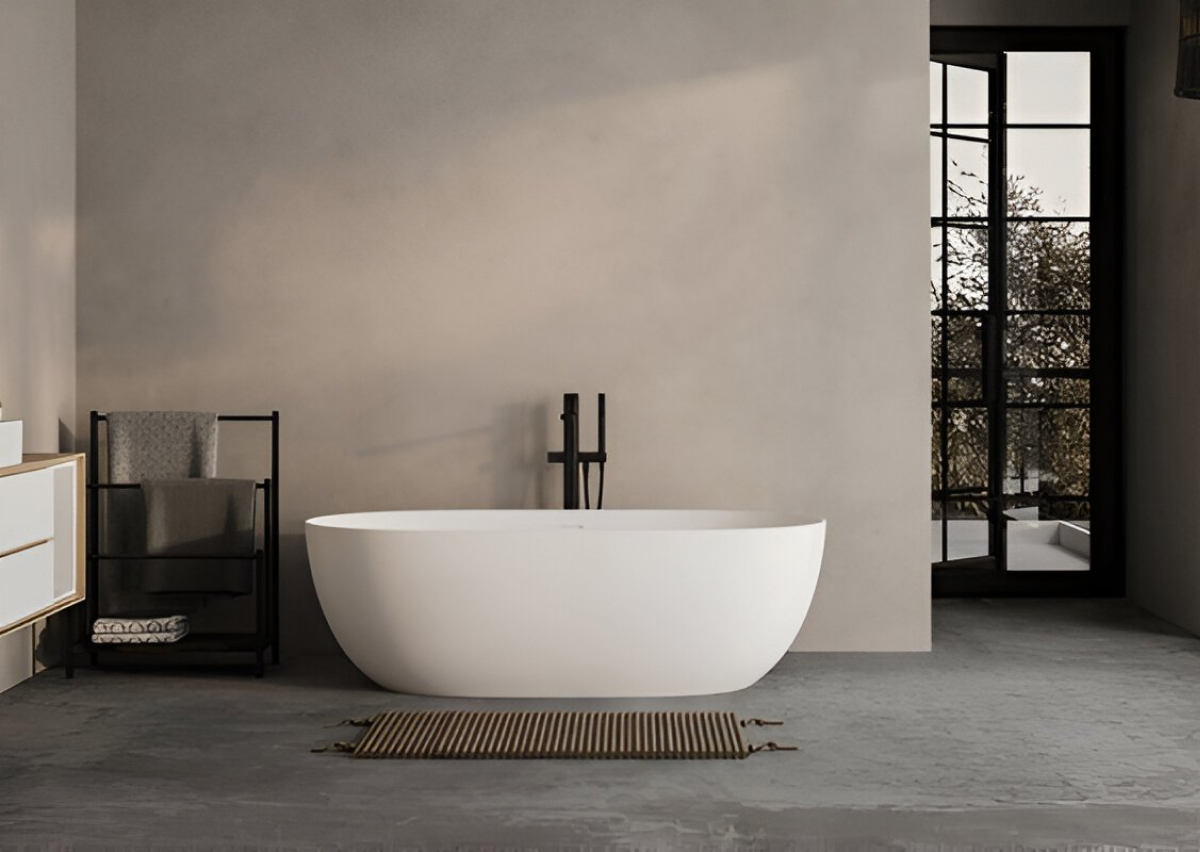
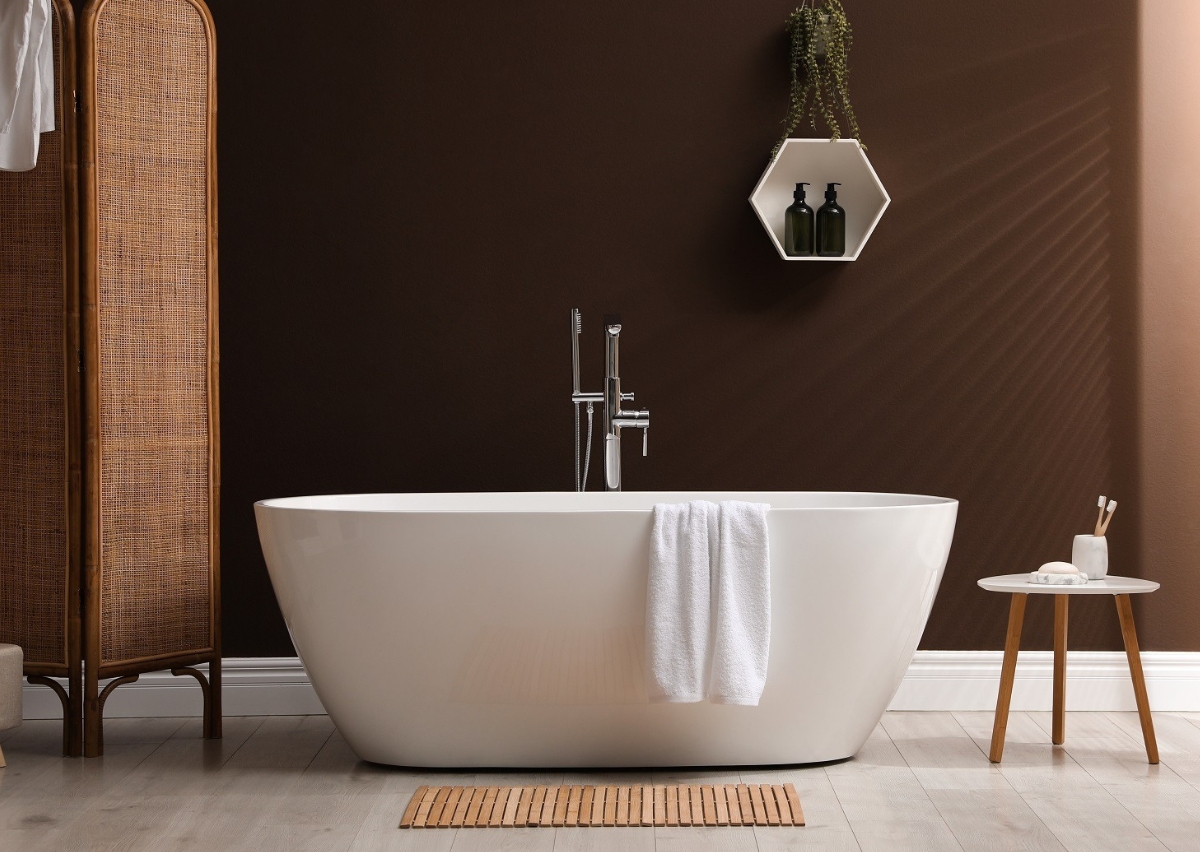
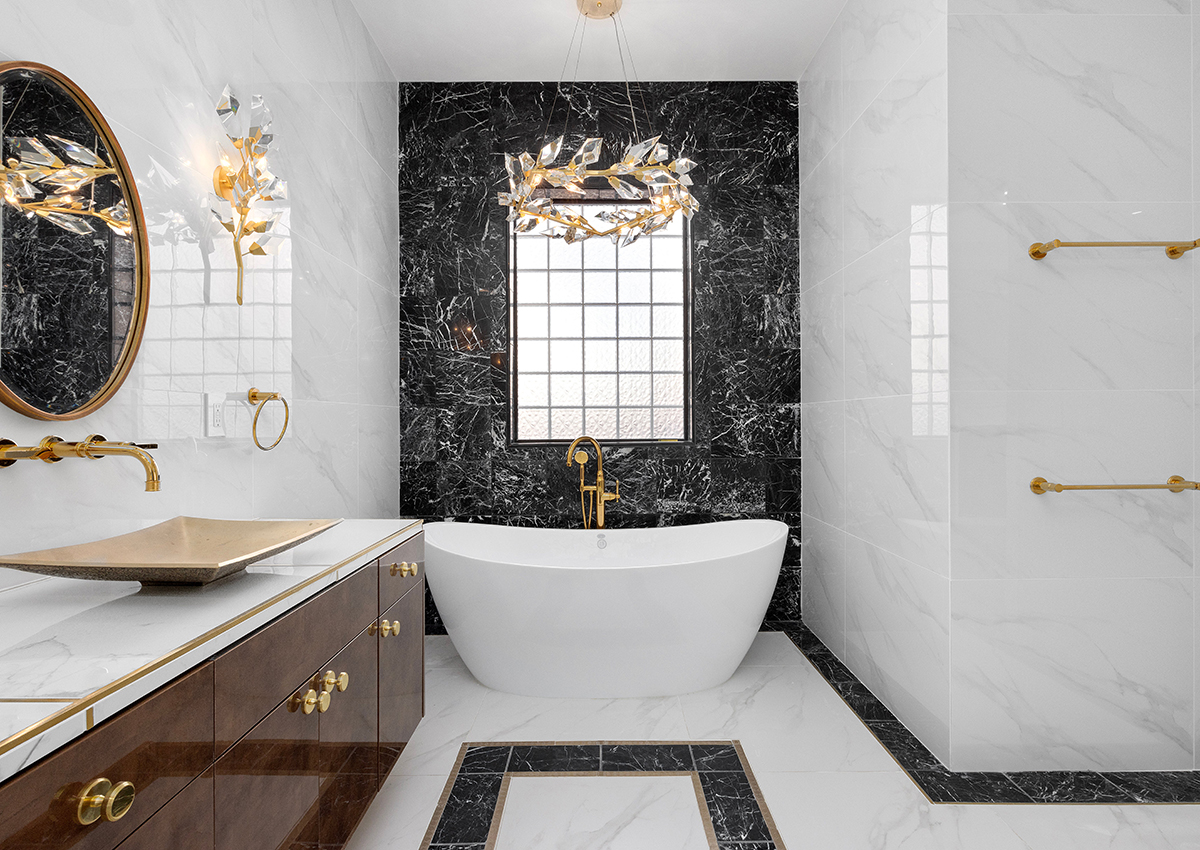
They are very flexible in placement. You can position one against a wall, in a corner, or right under a window for a spa-like view. Because they stand on their own, they act as a design centerpiece. Many compact freestanding tubs come in oval, round, or even slipper styles where one end is higher for reclining.
On the downside, freestanding tubs usually cost more than alcove tubs. They also need more surrounding floor space since they aren’t fixed to walls. But if style is a priority and you want your bathroom to feel special, a compact freestanding tub is worth the splurge.
Deep Soaking Bathtubs
A deep soaking bathtub, also known as a Japanese-style tub, is short but very deep. Instead of lying down, you sit upright while the water rises to your shoulders. This type of tub saves space in length but still feels luxurious.
Soaking tubs usually come in round or square shapes. Some are designed like wooden barrels, others in smooth acrylic. They instantly make your bathroom look unique. They are also more relaxing since the water covers more of your body.
The main drawback is you can’t stretch out fully. Also, some models can be harder to get into because of their depth. But if your goal is maximum comfort in the least amount of space, a deep soaking tub is an excellent choice.
Walk-in Bathtubs
Walk-in bathtubs are made with safety in mind. They have a door that opens so you can walk straight in, without having to climb over the side. This makes them a great choice for older people or anyone with mobility issues.
Most walk-in tubs are compact, so they fit nicely in smaller bathrooms. Many also have built-in seats and handrails, which add comfort. Some even feature water jets for hydrotherapy, turning a small bathroom into a mini spa.
The downside is the cost. Walk-in tubs are usually more expensive and need professional installation. They also take longer to fill and drain. But if health and safety are important, this type of tub can be worth the investment.
Portable and Folding Bathtubs
Portable tubs are becoming more popular for renters or people with very small bathrooms. They are lightweight, foldable, and easy to set up when needed. Once you’re done, you can empty and store them.
They don’t have the same look as a permanent bathtub, but they are practical. They work well for people who take baths occasionally rather than daily. Families with young kids also find them useful since they can move the tub around.
Portable tubs are also budget-friendly. You can find them in inflatable styles or foldable plastic. They won’t raise your property value like a built-in tub, but they do give you flexibility and convenience.
Smart Design and Layout Tricks for Adding a Bathtub
Adding a bathtub to a small bathroom is all about being smart with design. You don’t always need more space, you just need to use what you have in the best way. Clever layouts, light colors, and the right fixtures can make even the tiniest bathroom feel big enough for a bathtub. Below are some practical design tricks that can help you fit a bathtub without making the space feel cramped.
Choose the Right Place
Where you place the tub makes a big difference in a small bathroom. Along one wall is the most common choice since it saves space and keeps plumbing simple. If you have a window, placing the tub under it can bring in natural light and make bath time feel more open. Corner placement works well for odd-shaped rooms or when you want to free up the center of the bathroom. Ensure you check the measurements so the tub doesn’t block the door or crowd the toilet and sink.
Use Light Colors and Mirrors
Colors and finishes change how big a bathroom feels. Light shades like soft whites, creams, beiges, or pale grey make the room feel airy. Glossy tiles and shiny finishes bounce light around the space. Adding a mirror above the vanity or even on a side wall creates depth and gives the illusion of more room. Larger mirrors work best, but even small ones help reflect light. This simple trick makes your bathroom look brighter and less cramped.
Built-in Storage Around the Tub
Storage is often a challenge in compact bathrooms. Instead of adding bulky cabinets, use the walls around the bathtub. Recessed shelves built into the wall are perfect for keeping soaps, shampoos, and candles within reach. Floating shelves above the tub give space for towels without eating up floor area. You can also use tiled ledges at the side of the tub for decor or daily use items. These built-in ideas keep the room organized and stop clutter from taking over.
Scale Down Other Fixtures
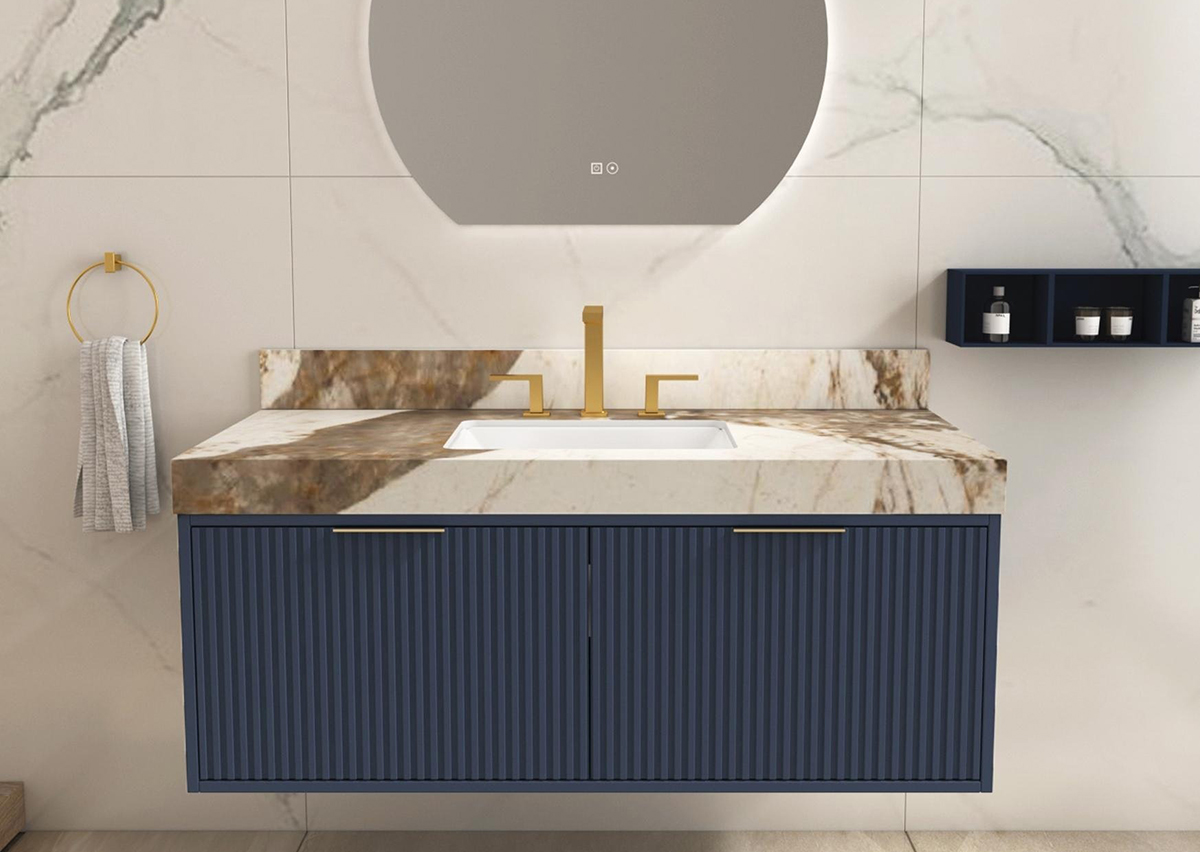
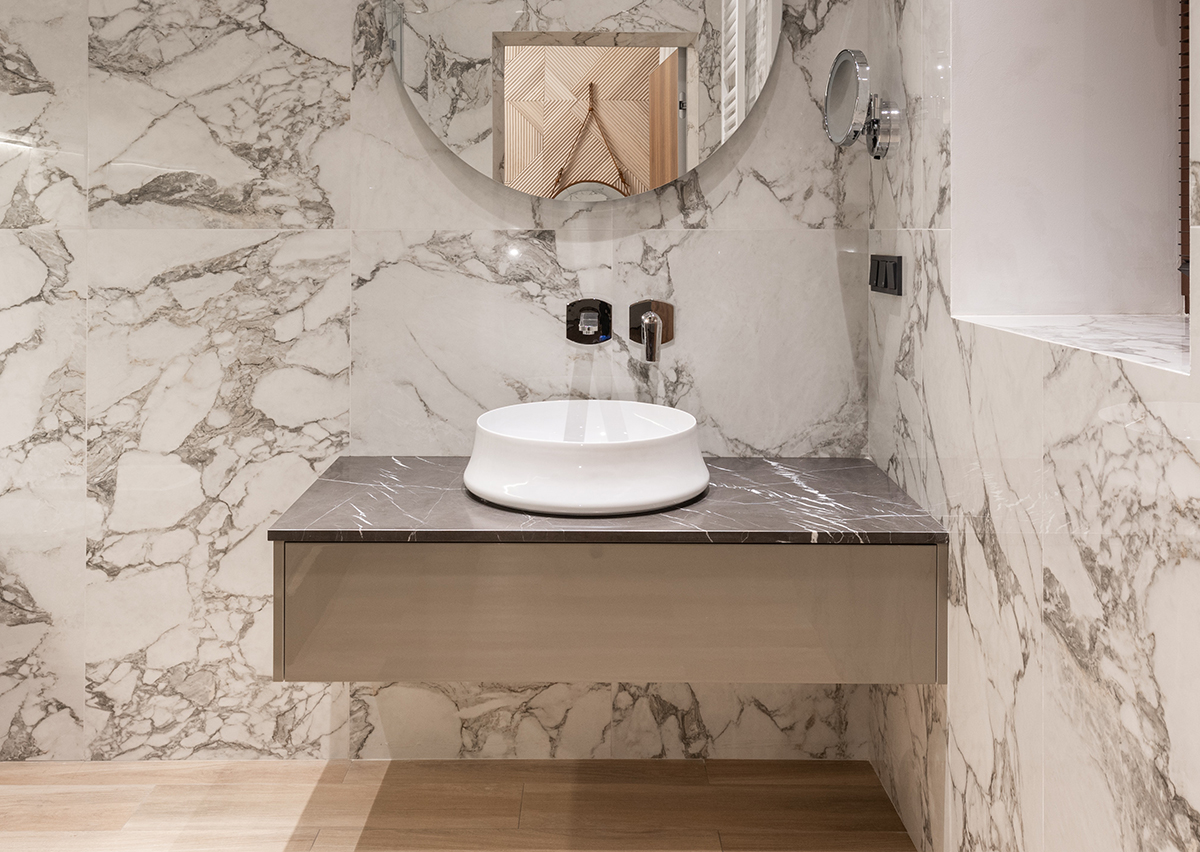
If your bathroom is small, every inch matters. A wall-hung vanity creates the illusion of more space since the floor remains clear. The same goes for wall-hung toilets. Slim sinks also save space and still work fine for daily use. By scaling down these fixtures, you can fit a tub more comfortably without making the room feel packed. Even small design changes free up enough room for movement. It’s all about balance.
Use Vertical Space
When the floor is limited, look up. Tall cabinets or ladder-style shelves above the tub can store extra towels, bathroom essentials, or decor. Wall-mounted towel racks also use vertical space well. Even adding hooks higher up on the wall helps to keep things tidy. Vertical storage draws the eye upward, which makes the ceiling feel higher and the room look bigger. This way you get more function without giving up precious floor area.
Cost, Maintenance and Installation Factors for Small Bathtub
When planning for a compact bathtub, it’s important to think about price, fitting, and upkeep. A tub may look perfect in the showroom, but costs and practical work after buying often surprise people. Knowing these points in advance helps you avoid stress later.
Cost of Bathtubs
When planning for a compact bathtub, cost is one of the first things to consider. Prices vary depending on the type and style you choose. Basic acrylic alcove tubs usually fall in the lower range, starting from around £250 to £400, making them the most budget-friendly option. Mid-range choices like corner tubs or deeper soaking tubs can range between £500 and £900, offering more comfort without going too far over budget.
On the other hand, premium freestanding tubs bring in a modern and stylish look. However they usually cost between £900 and £2,000 depending on the brand and material. Walk-in tubs sit at the higher end of the scale, often starting at £1,500 and going well beyond £3,000 because of their built-in doors and advanced features. Along with the cost of the tub itself, you also need to keep installation charges in mind, as plumbing adjustments, tile work, or delivery costs can add significantly to the final bill.
Installation Challenges in Smaller Bathrooms
Installation can also be a challenge, especially in smaller bathrooms. The biggest concerns are plumbing placement, layout, and whether the tub can physically fit through the door. In some cases, pipework might need to be moved or walls adjusted, which requires extra labour and raises the overall expense. Professional installation is always recommended since it ensures the tub is set up safely and correctly. DIY may appear to save money at first, but mistakes can lead to costly repairs later on. A careful set of measurements before buying saves time and avoids unexpected setbacks during installation.
How to Clean and Maintain a Small Bathtub?
When it comes to maintenance, compact bathtubs are generally easier to clean since they have less surface area. Materials like acrylic and fiberglass are smooth and simple to wipe down, making them practical for everyday use. Porcelain-coated steel or cast iron tubs look elegant and last longer, but they are heavier and may require more effort to maintain. Shapes also play a role, corner tubs, for example, tend to collect dirt in tight edges, needing extra care. Regular cleaning not only keeps the tub looking fresh but also extends its lifespan, making it a worthwhile habit for long-term use.
Final Thoughts
Small bathrooms don’t mean you give up on comfort. With smart planning, the right type of tub, and clever design tricks, you can enjoy a relaxing soak without wasting space. With multiple design tricks like choosing a compact shape, adding mirrors and storage, every detail makes the bathroom look bigger and more stylish.
Maintenance is simple if you stay consistent, and installation is smoother when done by professionals. In the end, a well-fitted small bathtub adds both function and charm to your home. So, if you dream of soaking after a long day, don’t let the size of your bathroom hold you back. Small tubs prove that comfort and space-saving can go hand in hand. If you're planning around a new tub, it's also worth looking at coordinated bathroom suites so the toilet, basin and tub are chosen together rather than piecemeal.
Frequently Asked Questions
Can I fit a bathtub in a small bathroom?
Yes you can. Many compact bathtubs are made just for small bathrooms. These just need good planning for placement and layout to make it work.
What types of bathtubs are best for compact spaces?
Corner tubs and alcove tubs are usually best. They fit close to walls or in corners, leaving more space in the middle. Small slim freestanding tubs can also work if picked carefully.
Are small bathtubs comfortable for adults?
Yes, they can be. Soaking tubs are deeper, so you sit upright but still relax. For stretching out, bigger tubs are better, but small ones still work fine.
What is the minimum bathroom size needed for a bathtub?
Usually around 1.5m by 2m works. The size of the bathroom depends on the tub style. Compact tubs can fit tighter spaces, but you need room for moving around too.
How can I combine a shower and bathtub in one small space?
You can use a shower over bath set-up. Glass screens or shower curtains help keep it neat. Choose a slim tub with straight edges, it saves space.
Are smaller bathtubs harder to clean?
Not really, they’re actually easier as there’s less surface to scrub. Smooth finishes and fewer corners make it simple.
Can I refurbish an old tub instead of buying a new one?
Yes, reglazing or resurfacing is an option. It gives the tub a fresh look and costs less than buying new. But if the tub is cracked or badly damaged, new might be better.