Post Contents [hide]
Starting a new bathroom project can be exciting. A fresh look, new fittings, and a space that feels calm and modern. But when it comes to the fitting part, most homeowners get confused and stuck. Should you try a bathroom renovation DIY or is it better to get a professional in?
This bathroom fitting guide for homeowners explains both options. You will see the pros and cons of each, covering cost, quality, safety, and even resale value. There is also a set of FAQs with the most common questions people ask before starting. By the end, you will know when DIY works and when it is smarter to leave things to the experts.
Why Bathroom Fitting is Important
Bathrooms are one of the most used rooms in a home. People use them every single day, often many times, so fittings must be reliable and practical. Unlike a bedroom or living room, even small mistakes in a bathroom can create serious problems later.
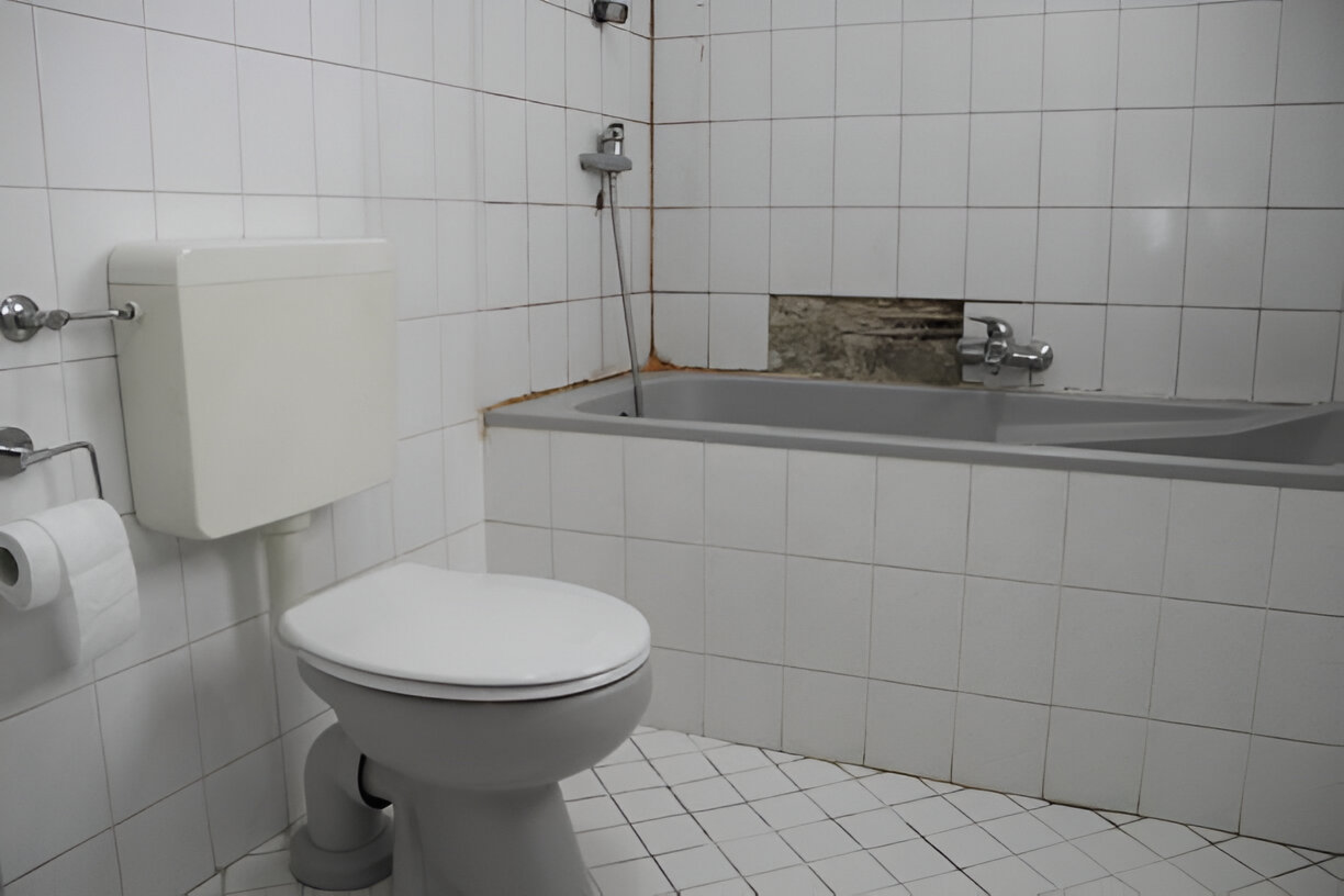
A badly fitted bathroom might look fine at first, but it can quickly create hidden issues. A small leak under the sink may not show until it damages the floor. Tiles that are poorly fitted can let water slip behind, leading to damp walls and mold. Electrical mistakes are worse since water and electricity together are never safe.
The way your bathroom is fitted also decides how long your tiles, flooring, and fixtures last. A good fit keeps things fresh for years. A bad one forces you to spend again and again. Bathrooms also matter for resale value. Buyers check them carefully before making an offer. A neat bathroom fitting shows care and adds value. A poor one makes buyers think there are hidden issues. So it is not just about comfort, it is also a smart investment.
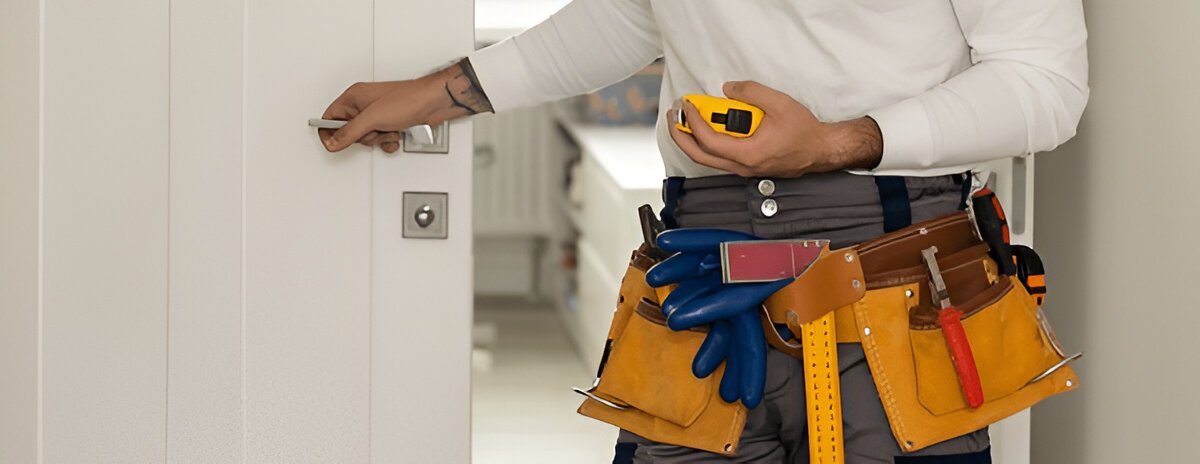
Why Do People Choose DIY Bathroom Fitting?
There are multiple reasons for choosing DIY bathroom fittings. The very first and most important reason is saving money. DIY looks like one of the cheaper ways to fit a bathroom. By skipping professional labor, you may think you are cutting the budget in half. This is why many people want to do it themselves.
There is also a sense of pride. Doing the work yourself feels rewarding. You can say you built or fixed part of your own home. You also control the schedule and do the work at your own pace without waiting on anyone. This independence feels good to many homeowners.
Another reason DIY is popular is the availability of guides. With so many tutorials and videos, the job looks possible. Hardware shops even sell DIY kits that make tiling or plumbing seem easy. This access makes DIY tempting. DIY also gives flexibility in design.
Maybe you only want to change tiles or repaint walls. These smaller jobs are easier without a pro. You can even adjust the design on the way instead of sticking to a fixed plan. For homeowners on limited budgets, DIY feels like a good way to cut costs and try cheaper ways to fit a bathroom.
Problems that Come with DIY Bathroom Fitting
DIY may look simple, but the risks can turn into trouble later. Below are the common issues people face when they try it themselves.
Safety problems
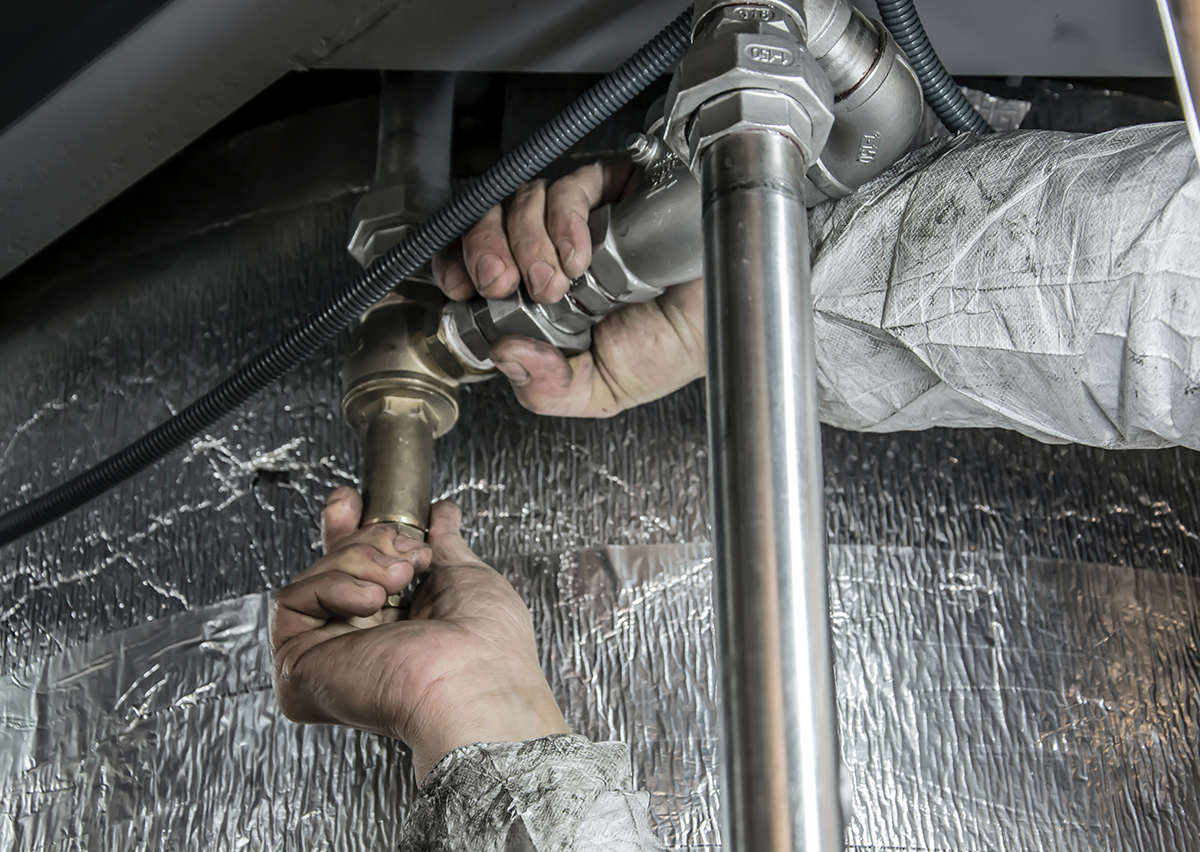
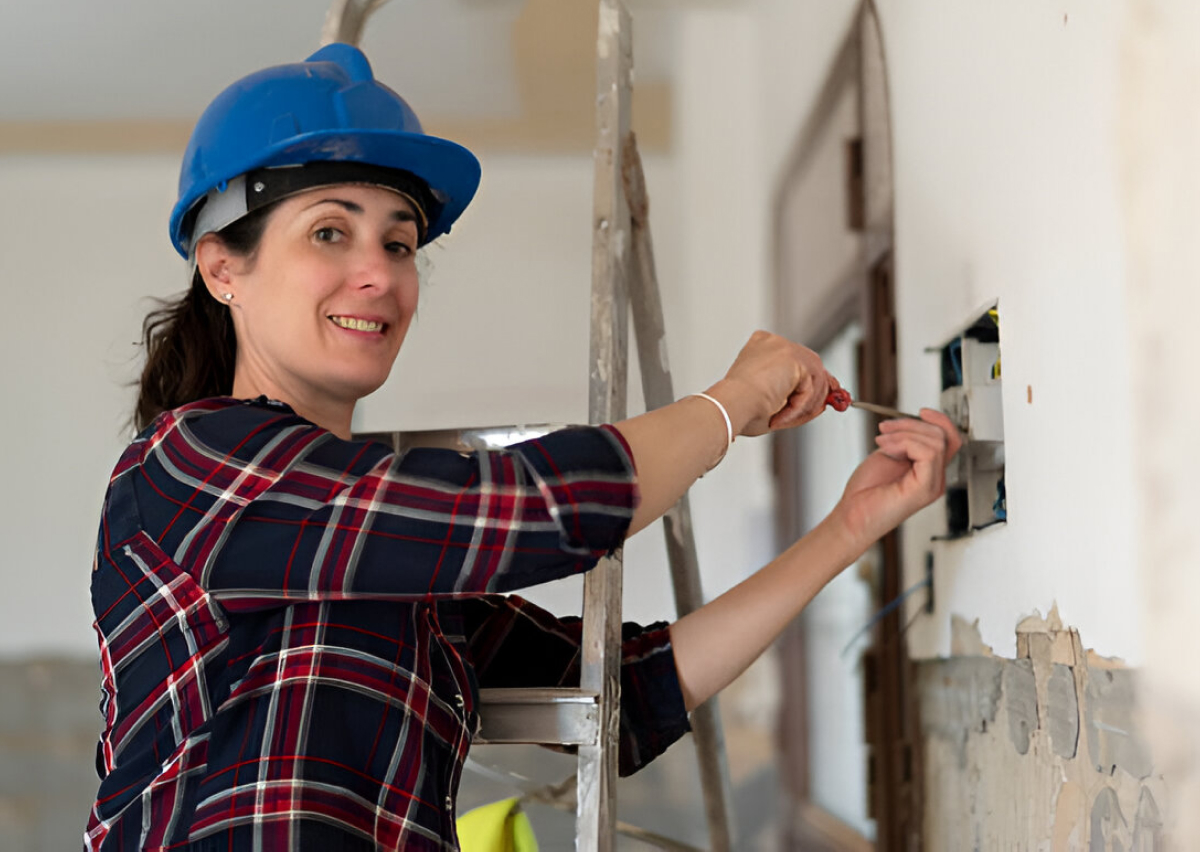
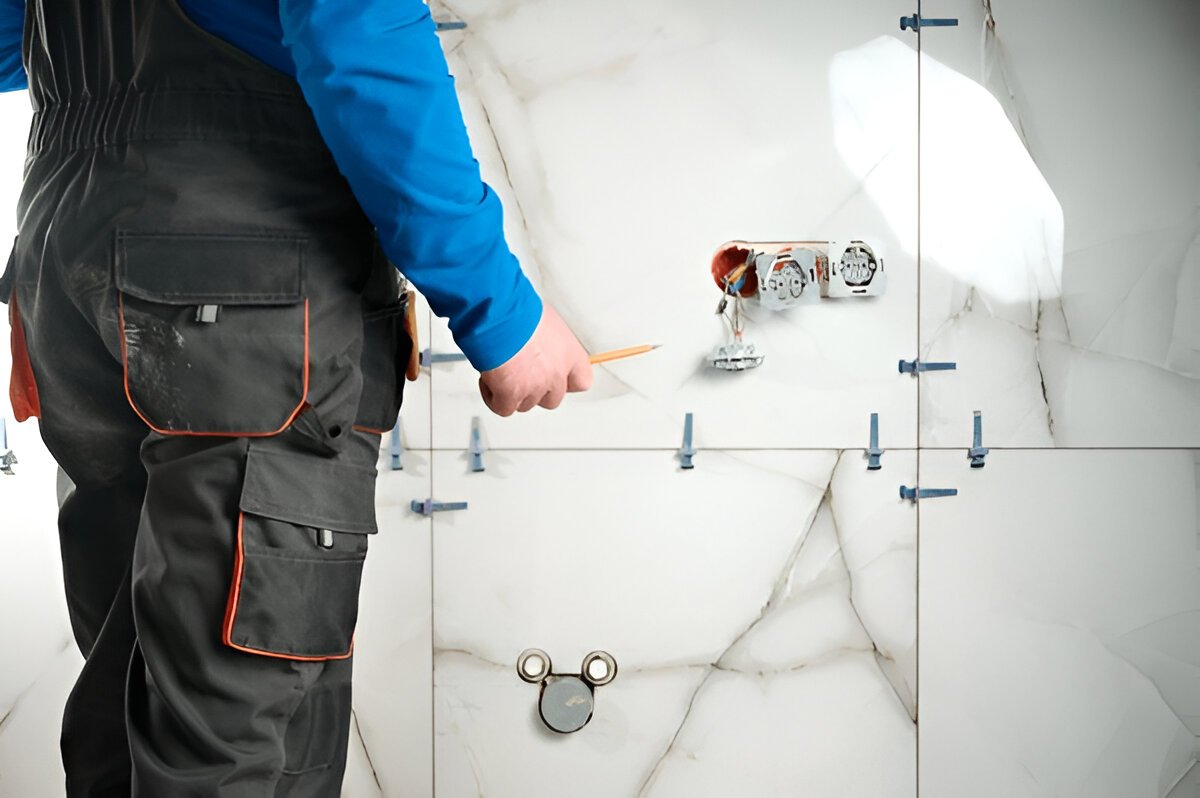
Bathrooms have water and electricity together. That is already dangerous. If electrical work is done wrong, it can cause shocks, short circuits, or even fires. Plumbing mistakes can lead to burst pipes or flooding. Without training, these jobs are not just hard, they are unsafe.
Leaks and Water Issues
One of the main issues with DIY is leaking. It might be a pipe joint not sealed well, or tiles that do not keep water out. Even a small leak damages walls, floors, and ceilings slowly. By the time you notice, repairs may cost more than what you saved.
Poor Waterproofing
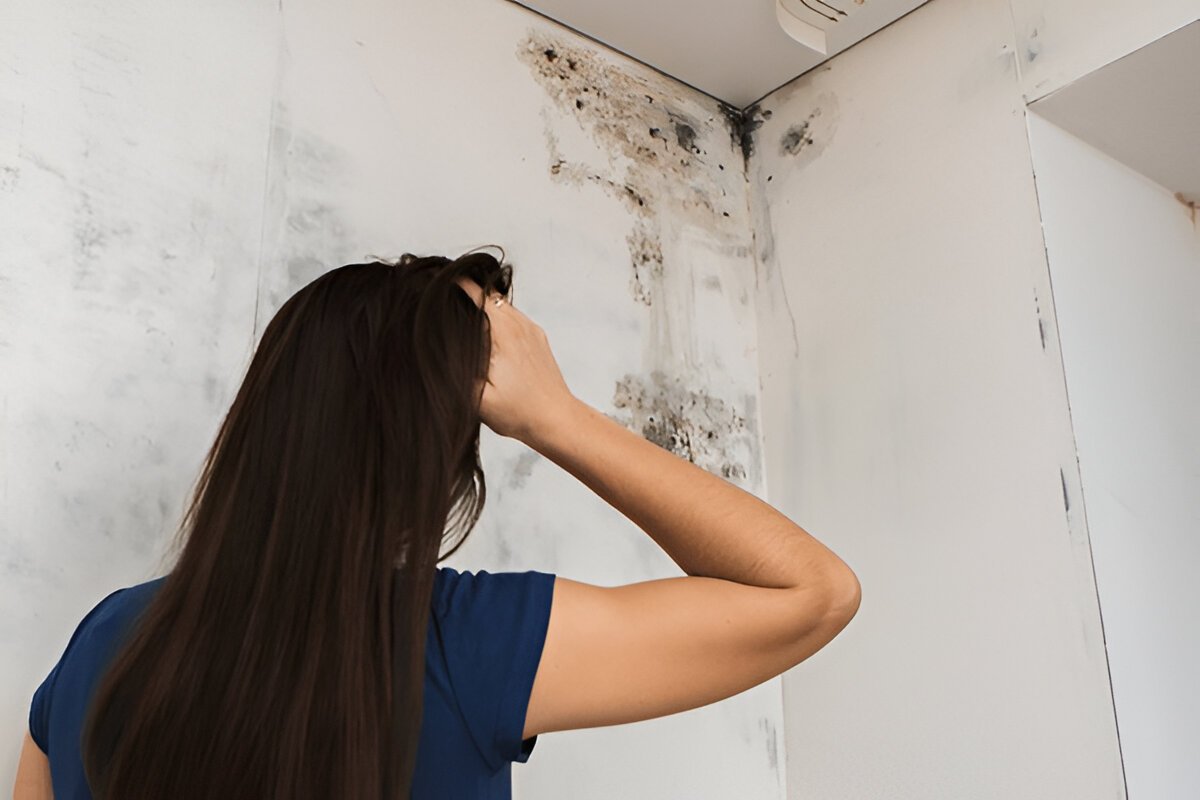
Waterproofing is often ignored in DIY. If you miss sealing corners, shower areas, or floors, water slips through. This creates mould, dampness, and bad smells. It can even spread to other rooms and damage the house structure.
Hidden Costs
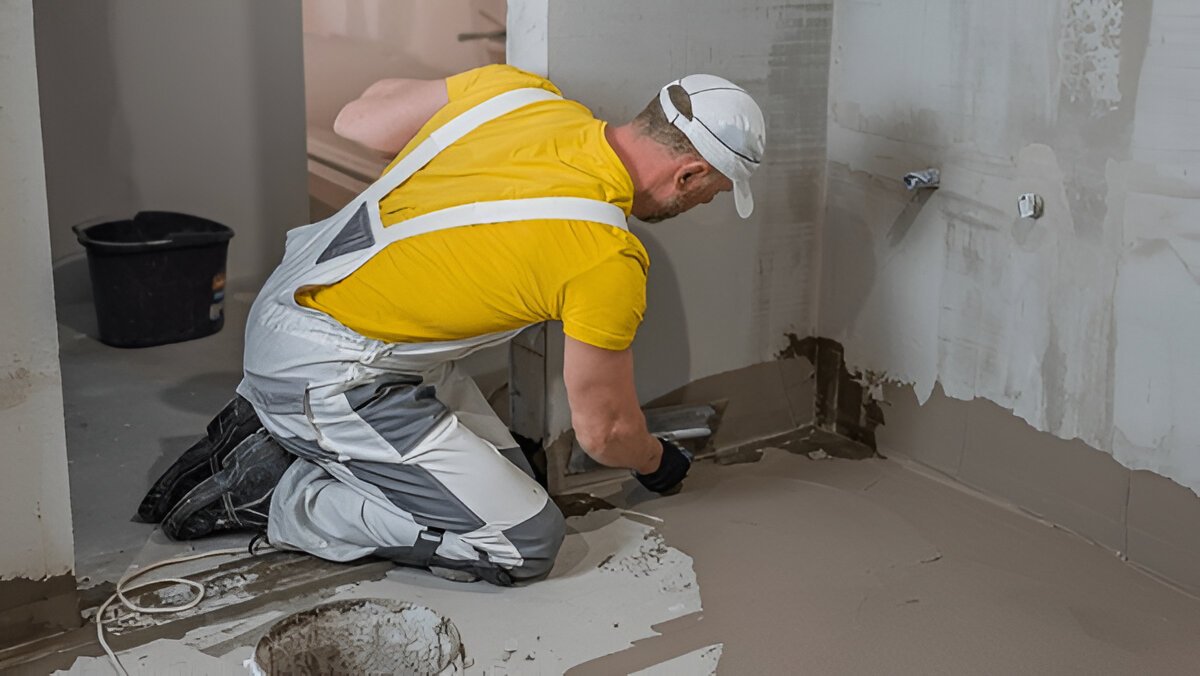
Many think DIY means saving money. But costs add up. You may need to buy new tools, replace wasted materials, or fix broken fittings. In some cases, fixing a poor DIY job costs more than hiring a pro from the start.
Work Takes Too Long
DIY almost always takes longer than expected. A pro might finish a bathroom in 10 days. A homeowner working evenings and weekends might take months. Living with an unfinished bathroom can be stressful for families.
Insurance and Warranty Issues
Many people do not know this. If poor fitting causes damage, your insurance may not cover it. Some policies even cancel if the work was not done by a certified person. Warranties on new fixtures may also not apply if you installed them wrong.
Why Hiring a Professional Bathroom Fitter is Worth it
DIY may look appealing, but a professional brings strong benefits. Here are the main ones.
Skills and Training
Pros have years of training. They know plumbing, tiling, wiring, and waterproofing well. Mistakes that take you hours to fix can be avoided by them. Their skills make sure the bathroom looks good and lasts long.
Saves Time
Bathroom work is complex. A team follows a clear plan and finishes within the timeline. This means you do not live weeks without a bathroom. Quick work also makes life less stressful and saves you a lot of time.
Quality Finish
With professionals, you get neat results. Tiles are straight, joints are sealed, and fixtures are solid. They also know how to handle hidden problems like uneven walls, and water leaks. This finish is hard for DIY, especially for beginners.
Meets Safety Codes
Bathrooms must follow safety standards. Professionals know these rules and make sure the work is correct. This avoids legal issues, inspection problems, or trouble when selling your house.
Warranties and Guarantees
Most professionals give warranties. If something goes wrong after fitting, they return and fix it. This gives peace of mind. DIY does not give such backup.
Adds Resale Value
A professional bathroom fitting boosts resale value. Buyers trust the quality and pay more. Poor DIY work, on the other hand, lowers value and makes selling harder and in fact, lessens the resale price.
Cost Comparisons – DIY vs Professional Fitting
For most people, cost is the main factor. Professional bathroom fitting costs between £1,500 and £5,000, depending on size, design, and fittings. High-end projects can go above £10,000. So, hiring a full professional can cost you more. DIY looks cheaper because you pay for materials and some tools only. A small update may cost a few hundred pounds. But mistakes, wasted materials, and repairs quickly raise the price.
Another cost is time. Time off work, long delays, and redoing jobs also add up. So, while DIY feels cheaper, the difference is often smaller than you think. Professional fitting is costly upfront, but usually saves more in the long term.
Mixing DIY with Professional Help
There is a middle way. You do not have to choose full DIY or hire a full professional to renovate your bathroom. Many people mix both. Simple jobs like painting walls, adding shelves, or changing cabinet handles can be DIY. These reduce cost and give personal involvement.
On the other hand, complex jobs like plumbing, wiring, shower installation, or waterproofing should be left to professionals. Mistakes in these areas are risky and expensive. This mix saves money while keeping quality. It is one of the smarter ways to fit a bathroom without losing safety.
Conclusion
Bathroom fitting is a big decision. DIY feels cheaper and gives control, but comes with risks. Professional fitting costs more but gives safety, durability, and better value in the long run. The best choice for many is a mix of both. Do the small jobs yourself and leave the complex ones to experts so that you may have no issues in the future. This saves money and gives peace of mind.
Use this bathroom fitting guide for homeowners to plan ahead. Budget carefully and decide what is safe to do yourself and what is best left to professionals.
Frequently Asked Questions
Is DIY bathroom fitting safe?
DIY can be safe for small tasks like painting or adding shelves. But plumbing and electrical work are risky. Without training, mistakes can cause leaks, mold, or even accidents.
Can DIY bathroom fitting affect the resale value of my home?
Yes. Poor fitting can reduce value because buyers may worry about hidden issues. A professional bathroom fitting often increases resale value by giving buyers confidence.
What quality issues arise with DIY bathroom installations?
Uneven tiles, gaps in waterproofing, leaky pipes, or poor drainage are common. These issues often cause long-term damage and higher repair bills.
Can poor bathroom fitting void my home insurance?
Yes, in some cases. If damage is linked to poor installation, insurers may refuse to cover it. Always check your policy before doing DIY work.
What parts of bathroom fitting are easy enough to DIY?
Painting, tiling small sections, installing mirrors, shelves, or accessories are good DIY jobs. Complex plumbing, electrics, and major waterproofing should be avoided.
How much does professional bathroom fitting cost on average?
Standard bathroom fitting usually costs between £1,500 and £5,000. Larger or luxury projects can be much higher. The cost depends on fittings and design.
Which bathroom fitting tasks should only be done by professionals?
Plumbing, electrical work, and waterproofing should only be handled by experts. These are complex, require training, and mistakes are expensive to fix.
When is it better to hire a professional for bathroom fitting?
It is better to hire professionals for large renovations, when time is limited, or when you want to protect the resale value of your home.