Post Contents [hide]
- Why Your Toilet Roll Holder Matters More Than You Think
- Define Your Bathroom Style
- Choose the Right Type of Toilet Roll Holder (Wall-Mounted, Freestanding, or Recessed)
- Choose the Right Material and Finish for Your Toilet Paper Roll Holder
- Installation Tips – Where to Place Your Toilet Roll Holder?
- Don't Forget the Spare Rolls!
- Summing It Up!
- Frequently Asked Questions
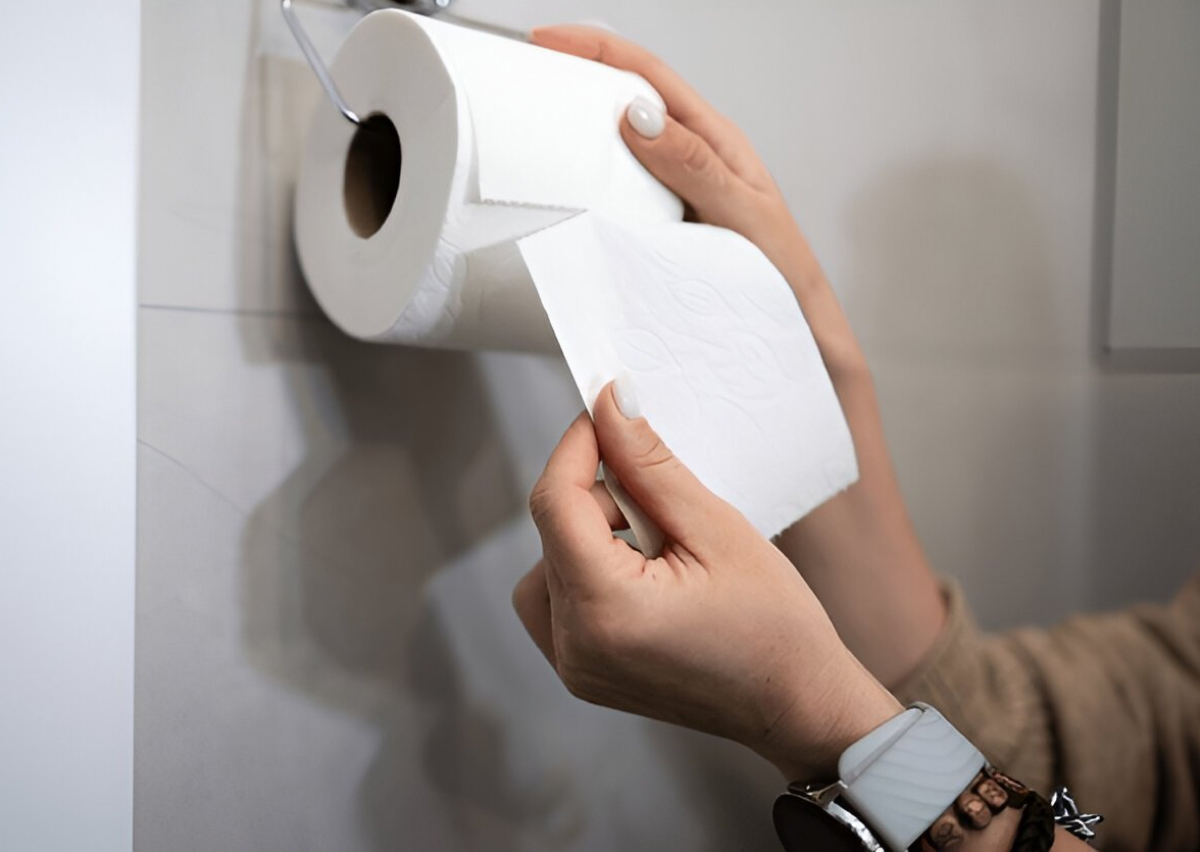
The toilet roll holder, often dismissed as purely functional, is in fact a crucial element of a point of interaction and visual detail that must carry the same architectural weight as the primary fixtures. Opting for a generic solution means undermining the visual harmony established by the larger, more expensive components like faucets and the shower system.
In this guide, we’ll help you choose the ideal toilet paper holder for your bathroom, exploring different styles, materials, and ways to match your roll holder with bathroom décor.
Why Your Toilet Roll Holder Matters More Than You Think
You may not believe it, but a small fixture like a toilet roll holder can have a significant impact on the overall aesthetic and functionality of the bathroom. A bathroom will look incomplete without one. That means it’s an integral part of the bathroom’s visual story. The easy access to toilet rolls prevents awkward stretches and splashes. Many of these are available in space-saving smart design, which can help compact UK bathrooms.
Here we have discussed a few steps that you should take to choose the right toilet paper holder for the bathroom.
Define Your Bathroom Style
When it comes to choosing a toilet roll holder, the first step is defining the style. It is a golden rule for all types of accessories. It is crucial that your toilet roll holder should complement, not clash with, your existing decor.
Modern and Minimalist
In case you have modern and minimalist aesthetics, choosing the right toilet roll holders entirely hinges on similarity and precision. You should be looking for designs defined by clean lines, geometric shapes, and a sleek, singular bar design, often utilising hidden fixings for an ultra-smooth, hardware-free appearance.
The preferred materials are cool and contemporary, such as polished chrome, brushed stainless steel, or the hugely popular matt black, which provides a sharp, sophisticated contrast against light bathroom surfaces. This style is about functionality elevated by minimalist form.
Traditional & Classic
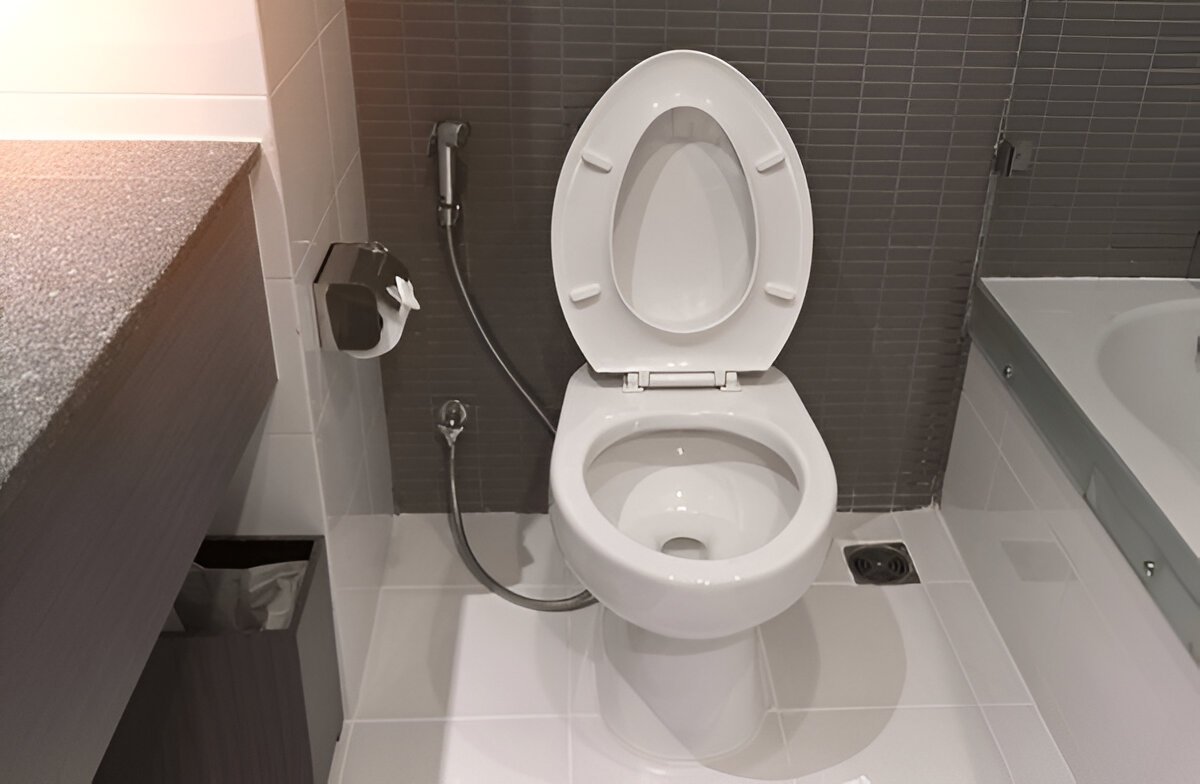
Drawing inspiration from the past or bygone era? You should look for holders with ornate base plates or one featuring a gentle, s-shaped curve rather than a harsh angle.
The fixings often aren't hidden but are instead part of the design, frequently capped with a small, decorative dome to maintain that authentic vintage feel. When it comes to materials for traditional and classic toilets & roll holders, polished chrome remains a timeless choice, offering a bright, reflective finish that complements white sanitaryware.
However, the true show-stoppers in this category are the warmer tones. Additionally, we are seeing a powerful resurgence of brushed or polished brass polished brass and gold finishes.
Industrial & Urban Chic
Industrial holders celebrate raw materials and exposed mechanics. Think pipework designs where the holder mimics a small piece of plumbing, or rugged, block-like construction. The look is heavy-duty and functional, with an uncompromising edge.
Matt black is the undisputed champion here, offering a strong, non-reflective contrast against lighter bathroom walls. You should look for dark metals, iron, or galvanised steel to reinforce that factory-floor aesthetic. This style is particularly popular in the UK's converted lofts, urban apartments, and modern new-builds
Rustic & Farmhouse
The rustic and farmhouse aesthetics holders reject precision in favour of character. You'll see organic shapes, materials that look worn or textured, and designs that suggest they could have been made in a local workshop.
The most common material is reclaimed or distressed wood, often forming the main bracket or a small shelf. Other elements include rope (where the roll is strung onto a thick piece of nautical rope) or wrought iron, which provides a heavy, hand-forged look.
Choose the Right Type of Toilet Roll Holder (Wall-Mounted, Freestanding, or Recessed)
The style or type of the toilet roll holder particularly plays a huge role in both aesthetics and functionality of the bathroom.
-
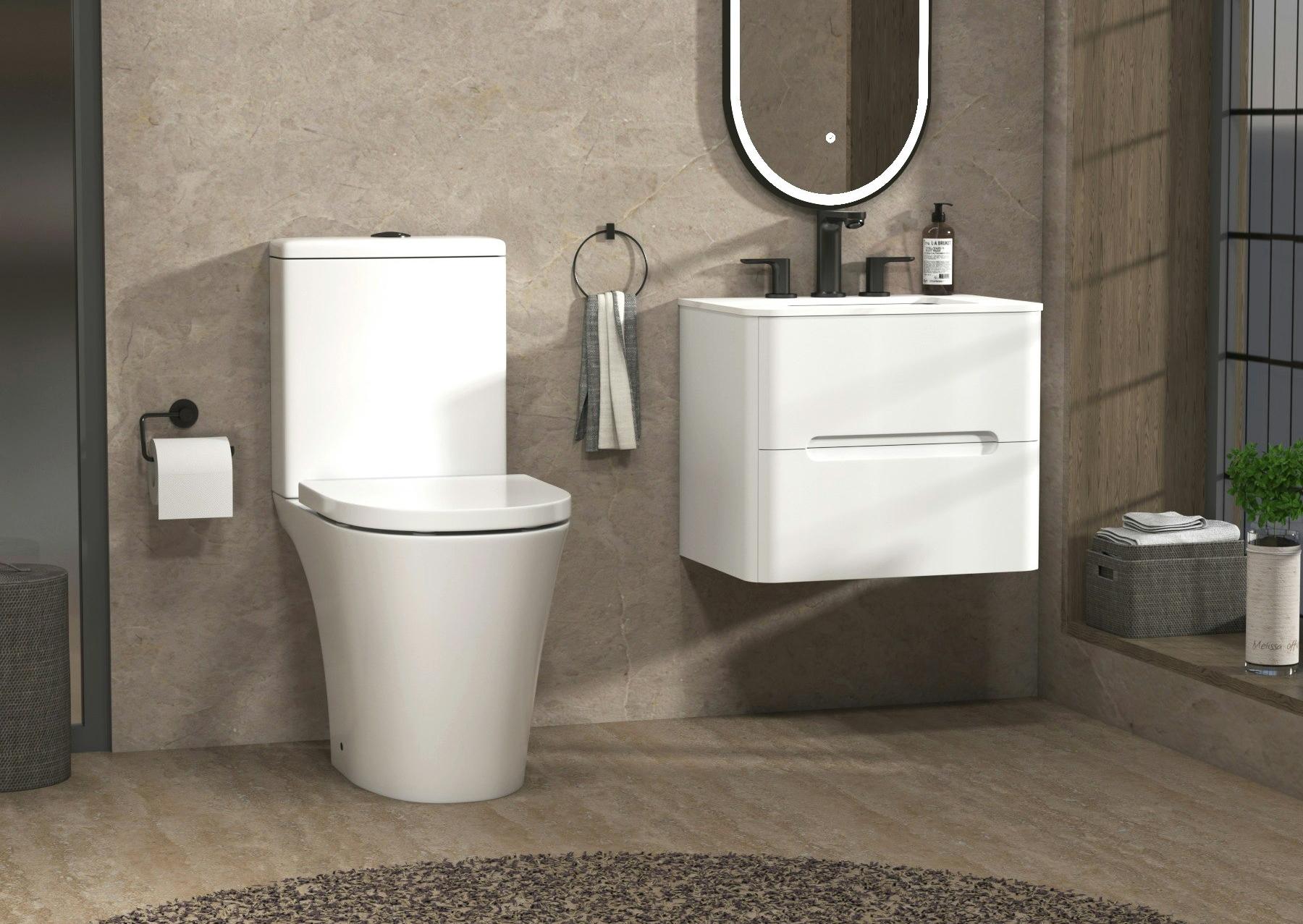
Wall-Mounted (Bar/Spindle): The most common type. Simple, effective, and available in every style. However, you will need to ensure it's mounted at a comfortable height and within easy reach of your toilet.
-
Recessed: Perfect for someone looking for a sleek and space-saving option. Sits flush within the wall. Choose a recessed toilet roll holder for minimalist designs or small bathrooms. Remember this design requires a wall cavity for the installation.
-
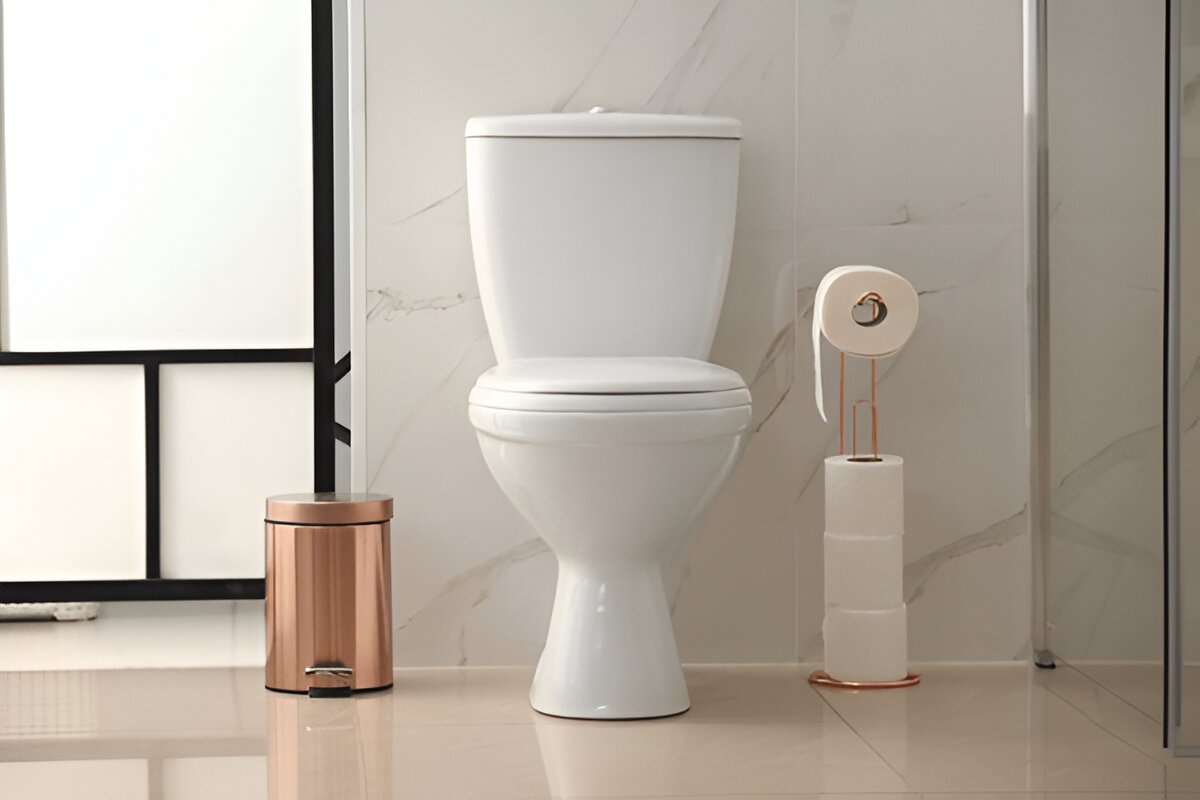
Freestanding: Don’t want to drill into the wall? A freestanding toilet roll holder can your option. You can also opt for it if you need to hold multiple rolls. They can be moved easily, but require floor space.
-
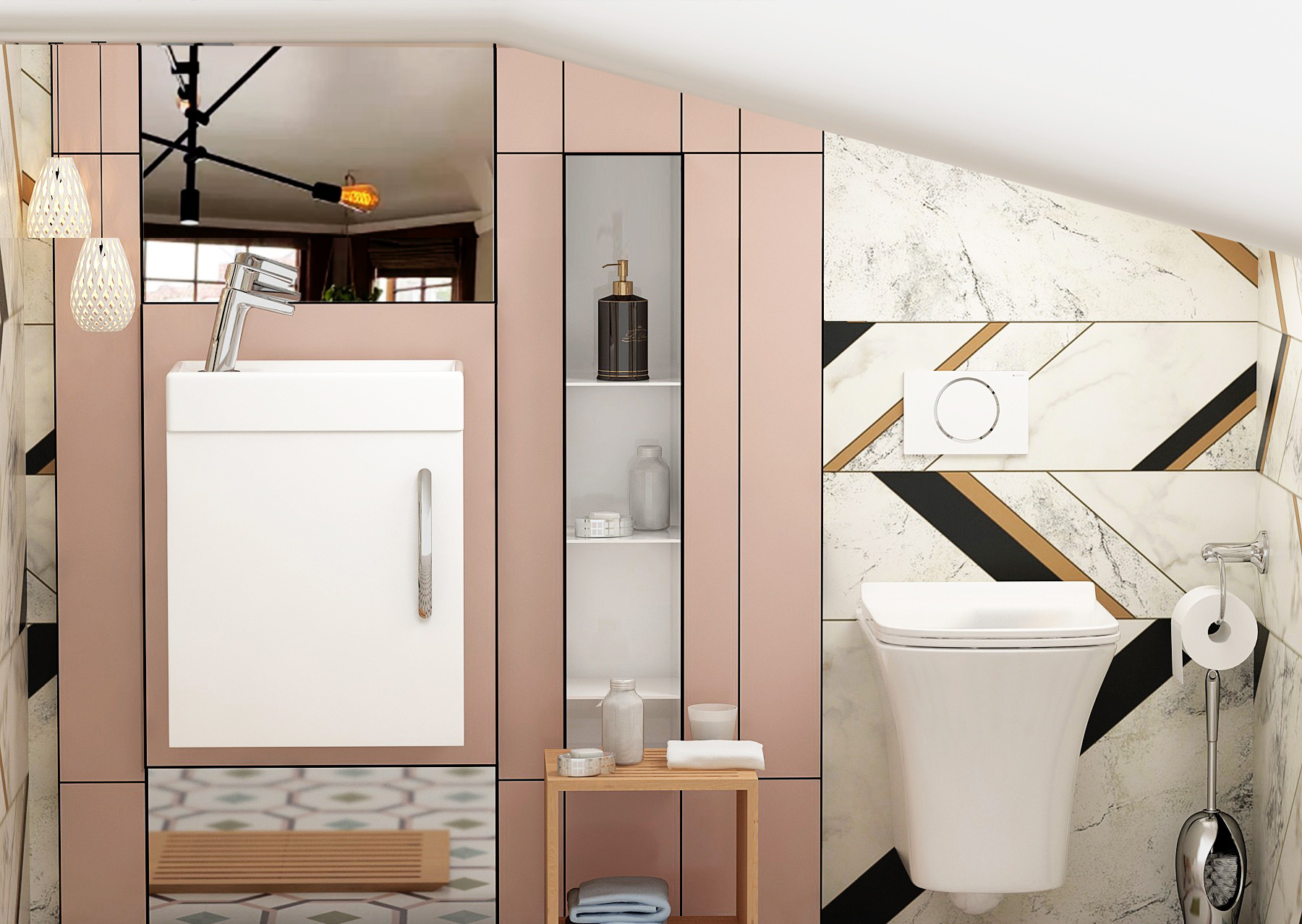
Integrated with other accessories: Some toilet units combine a toilet brush holder with a toilet roll holder, or even a small shelf for your phone. Perfect for maximising function in compact UK cloakrooms or en-suites.
-
With a Cover/Flap: A small flap that covers the roll can offer a slightly more polished look and keep dust off the top layer.
Open" End vs. Spring Loaded: Open-ended holders are incredibly easy to change rolls, while spring-loaded ones are classic but can be a bit fiddlier.
Choose the Right Material and Finish for Your Toilet Paper Roll Holder
Bathroom environments are harsh due to humidity. Therefore, choosing the right toilet paper holder material ensures longevity.
-
Chrome (Polished or Matt): A timeless classic, easy to clean, and extremely durable. Polished chrome offers a bright, reflective surface, while matt chrome is softer.
-
Matt Black: Hugely fashionable. Offers a striking contrast and doesn't show fingerprints as easily as polished finishes. Ensure it's a high-quality finish to resist chipping.
-
Brushed Brass/Gold: Adds warmth and a touch of luxury. Less prone to showing water marks than polished brass.
-
Stainless Steel: Excellent for durability and resistance to rust, often seen in more contemporary or industrial designs.
-
Wood: Adds natural warmth. Ensure it's properly treated for bathroom use to prevent warping or mould.
*Choosing the right material and finish could be your way to match your roll holder with bathroom decor.
Installation Tips – Where to Place Your Toilet Roll Holder?
Decide the right spot for the toilet roll holder installation. The placement is key for comfort and accessibility.
-
Height: Generally, aim for the centre of the roll to be about 65-70cm (26-28 inches) from the floor. This can vary based on personal preference and toilet height.
-
Distance from Toilet: Position it slightly in front of the front edge of your toilet bowl, usually around 20-30cm (8-12 inches) away. This ensures it’s comfortably within reach.
-
Accessibility: Consider if the user is right-handed or left-handed, and place it on their dominant side if possible.
-
Wall Type: If opting for wall-mounted, ensure your wall can support it. Plasterboard may require specialist fixings.
Don't Forget the Spare Rolls!
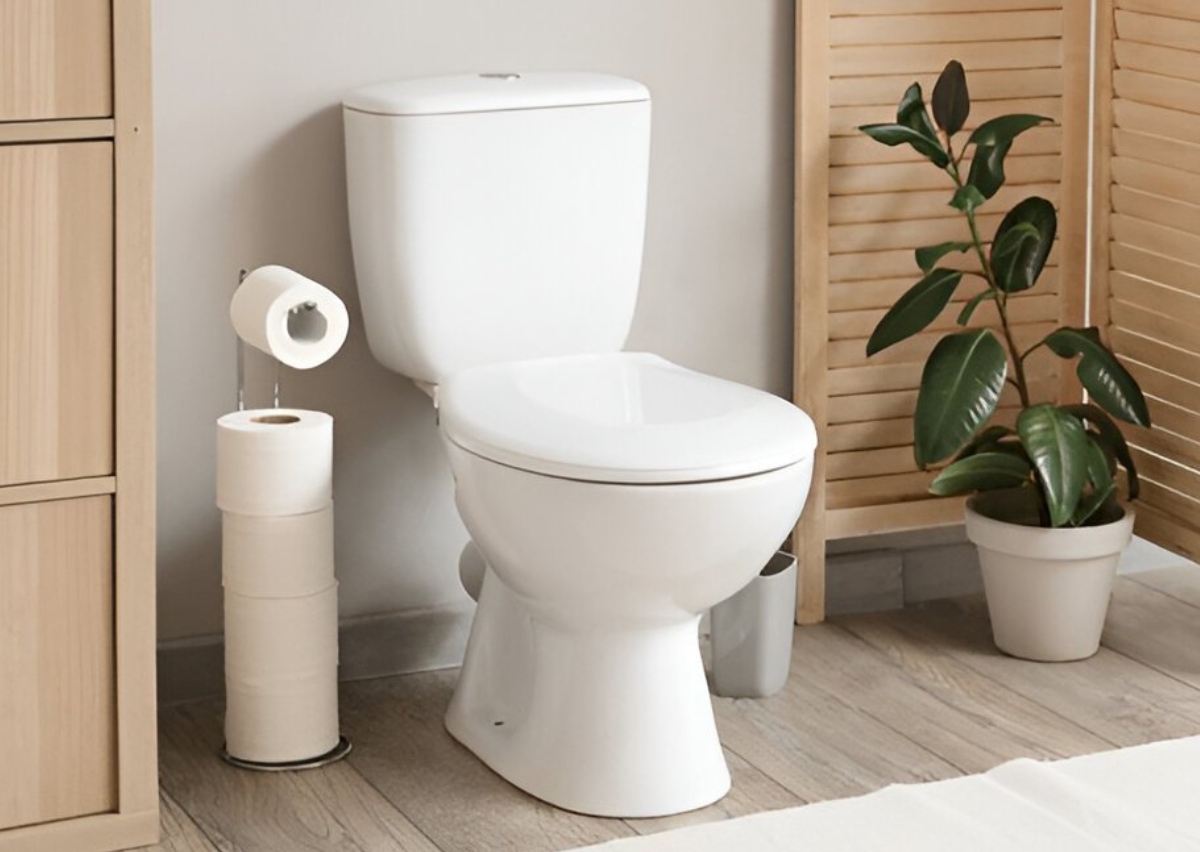
While not strictly the "holder," consider where you'll store spare toilet rolls. Many freestanding holders come with storage, or you might need a separate basket or wall-mounted spare roll holder to complete the look and avoid running out!
Summing It Up!
Bathroom toilet roll is small but an important accessory. Choosing the perfect toilet paper roll for my bathroom isn't just about functionality; it's about refining your bathroom's narrative. By considering your style, the type of holder, its material, and careful placement, you can select an accessory that is both practical and a true reflection of your home's unique charm.
Frequently Asked Questions
Where should a toilet roll holder be placed for best accessibility?
It should be placed approximately 8 to 10 inches in front of the toilet bowl. The ideal height is about 26 inches from the floor for comfortable reaching. This placement minimizes twisting and reaching for most users.
Which toilet paper roll holder style suits a modern bathroom?
Minimalist designs with clean lines, often featuring square or open-arm shapes, are best. Finishes like matte black, brushed nickel, or polished chrome enhance the modern look. These styles match the sleek, uncluttered aesthetic of contemporary decor.
Are plastic toilet roll holders durable enough for daily use?
Yes, they can withstand daily use, especially in low-traffic areas. However, they are less durable than metal and may be more prone to breaking or fading over time. For maximum longevity in busy bathrooms, a metal holder is a better investment.
How do I know if a toilet roll holder is rust-resistant?
Check the material when choosing the toilet paper roll holder for your bathroom. You must look for stainless steel (Grade 304 or higher), chrome-plated brass, or aluminum. The product description should explicitly state "rust-resistant" or "corrosion-resistant." You should avoid cheaper metal alloys that are not specifically treated for high humidity.
Do wooden toilet roll holders last long in humid bathrooms?
They can, but only if they are properly sealed, finished, or made from naturally water-resistant wood like teak. Untreated wood is highly susceptible to moisture damage, warping, and mildew. Regular maintenance of the sealant is also necessary for the best longevity.
What’s the best adhesive for a no-drill toilet roll holder?
The best options are strong, waterproof, and heavy-duty mounting adhesives, such as specific 'liquid nails' or the proprietary mounting tape included by the manufacturer. This ensures a secure, lasting bond in a humid environment. Always ensure the wall surface is clean and dry before application.
What tools do I need to install a toilet roll holder?
For screw-in types, you'll need a drill, a level, a screwdriver, a tape measure, and a pencil to mark the position. No-drill types usually only require a cloth and the adhesive. Ensure you have the correct drill bit for your wall material (e.g., tile or drywall).
How often should I replace my toilet roll holder?
There is no set schedule; you should replace it only when it becomes damaged, significantly rusted, or stops functioning properly. Many high-quality metal holders can last for decades. Replacement is often driven by a desire to update the bathroom's style.