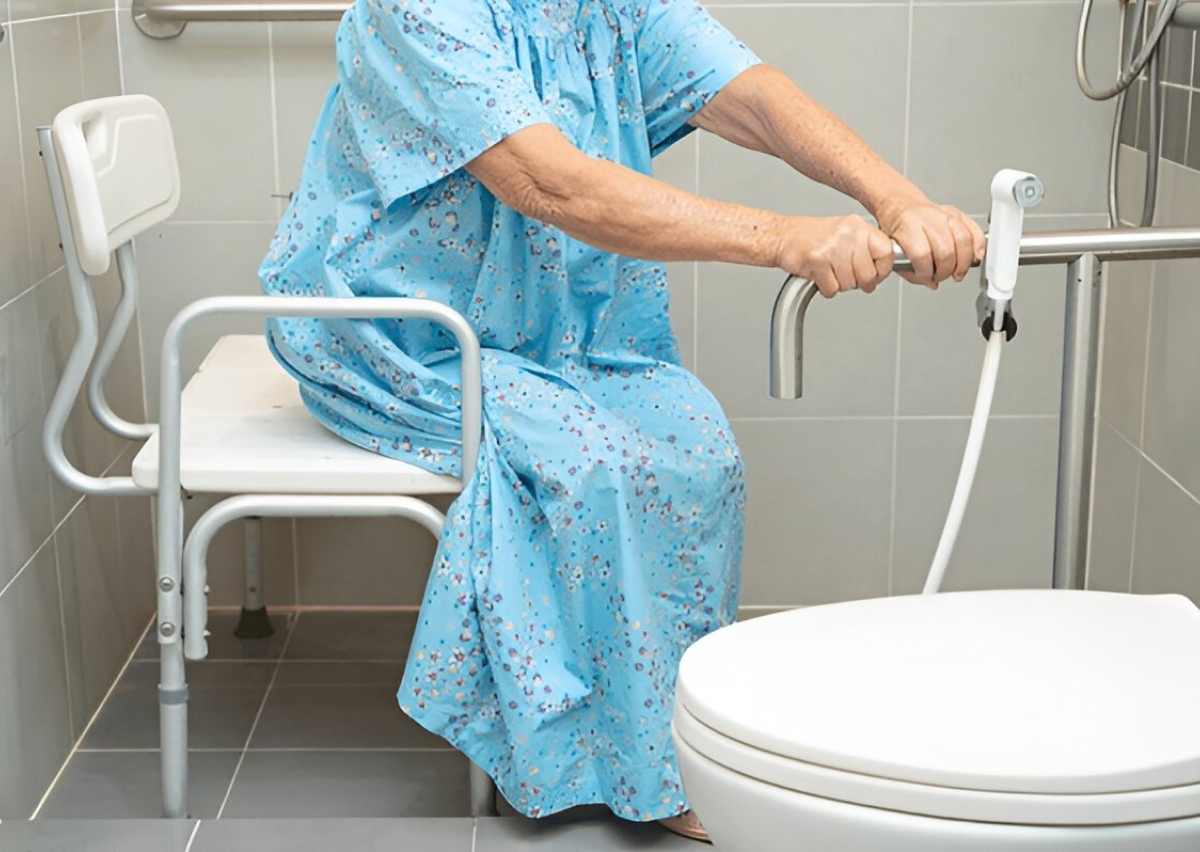
As people get older, even simple things like bathing or brushing teeth can feel harder. A small step or slippery floor can turn into a real problem. That’s why it’s so important to make the bathroom safe and easy to use. That’s why creating an easy access bathroom is so important. A bathroom handicap accessible design helps seniors move comfortably and confidently while maintaining independence.
It helps seniors move around with comfort. It gives them confidence and lets them stay independent. The best part is, it doesn’t have to look boring or like a hospital. With the right design, it can still look modern and stylish.
This guide shares simple ways to plan a bathroom that works for everyone. You’ll learn about the right layout, smart fittings, and helpful safety features that make a big difference in daily life.
What is an Accessible Bathroom
An accessible bathroom is made for comfort and safety. It’s made for people who have trouble moving around or keeping balance. The main goal is to make everything easy to reach and use without much struggle. There is usually more open space to walk, doors are wider, and there are no steps that someone can trip on. Grab bars near the toilet and shower help give support. Things like taps, sinks and lights are placed lower so you don’t have to stretch too much.
It’s not only for people who use wheelchairs. Older people or anyone who is recovering from surgery or an injury also find it very useful. The good thing is that these bathrooms can still look nice and modern while being safe at the same time.
Why Accessibility Matters for Seniors and People with Limited Mobility
When people get older, balance and movement slow down. Simple things like stepping into a bathtub or standing too long can become difficult. That’s where an accessible bathroom helps a lot. It lets older adults stay independent and use the bathroom without needing help. This builds their confidence and keeps their dignity. Safety features like non-slip floors, grab rails and easy to use taps help prevent slips and falls.
For people who have limited movement, these designs bring comfort and peace of mind. Family members also feel more relaxed knowing their loved ones can move safely. It’s a small change that makes a big difference every single day.
Key Design Principles for Accessible Bathrooms
Making an accessible bathroom is all about comfort, safety and easy use. Every small thing matters, like how wide the door opens or how smooth the floor feels. The space should be easy to use for everyone, no matter their age or condition.
Start with clear space for movement. A person using a wheelchair or walker should be able to move easily without bumping into things. Follow accessible bathroom dimensions when planning layouts like enough space for turning and transferring. Choose fixtures with soft edges so there is less chance of injury.
Think about height and reach too. Sinks, mirrors and shelves should be placed where they can be used while sitting or standing. Add grab bars where extra help is needed. Good lighting is also very important because it keeps the room bright and avoids dark areas that can cause trips. A good accessible bathroom doesn’t only look nice, it also feels easy to use every day.
Essential Features of an Accessible Bathroom
An accessible bathroom is all about safety, comfort, and ease. It should be simple to move around, even for someone with limited balance or mobility. Every part, from the floor to the mirror, should help make daily routines easier and safer. The idea is to build a space that feels welcoming and doesn’t look too clinical.
Accessible Shower and Bath Options
Showers and tubs are the most common places where slips happen, so they need extra care. Walk in or roll in showers work best since they have low or no steps, which means less chance of falling. They also make it easier for someone using a wheelchair or walker to move in and out without much struggle.
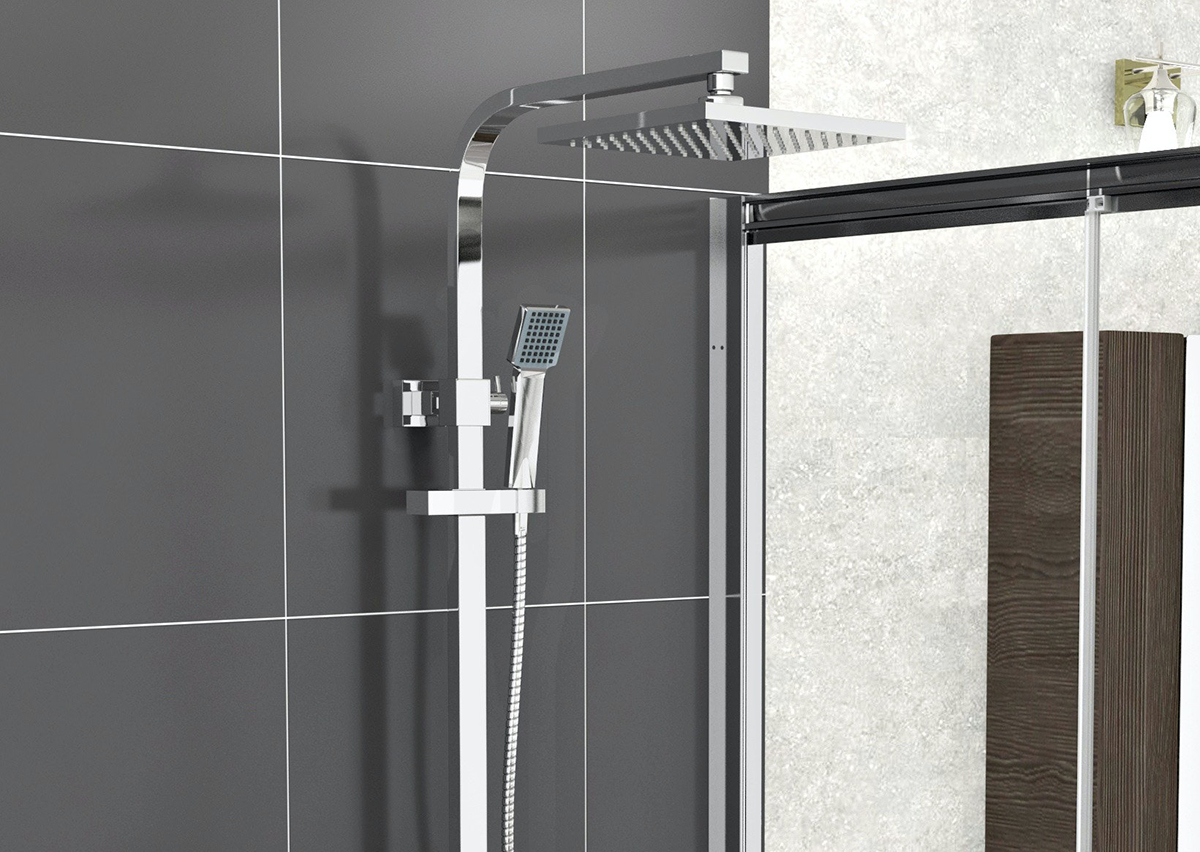
Adding a fold down seat or a built in bench gives a safe place to rest while bathing. A handheld showerhead, and shower rails, help too, as it lets you move the water where you need it without bending or reaching far. Body jets can also be added if placed at a soft height, giving gentle comfort and a relaxing shower experience without too much pressure.
Keep the shower controls close and simple to use. Some people like walk in tubs for their deep soak and side doors, while barrier free showers are easier for daily use and shared bathrooms. Pick what feels right for your space and comfort level.
If you’re thinking of upgrading your bathroom, start small. Even adding a seat, handheld shower, or body jets can make a big difference in safety and ease.
Explore our range of modern shower fittings like handheld shower heads, shower rails, and shower body jets to create a space that’s both safe and beautiful.
Toilet and Sink Design for Comfort and Safety
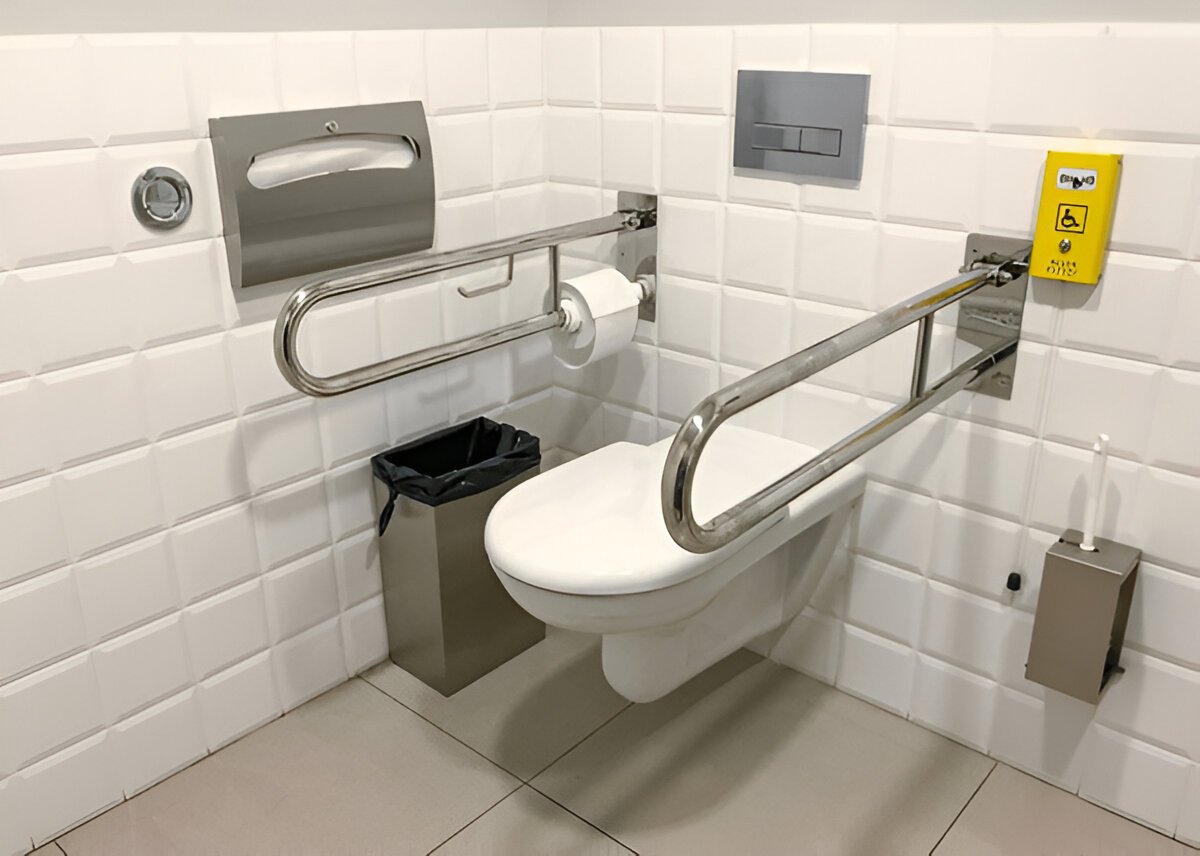
The toilet area should be easy to use and safe to move around. Comfort height toilets or raised seats make sitting and standing easier, especially for seniors or people with joint pain. Grab bars on both sides or next to the toilet add extra support. They help a person stand or sit without losing balance.
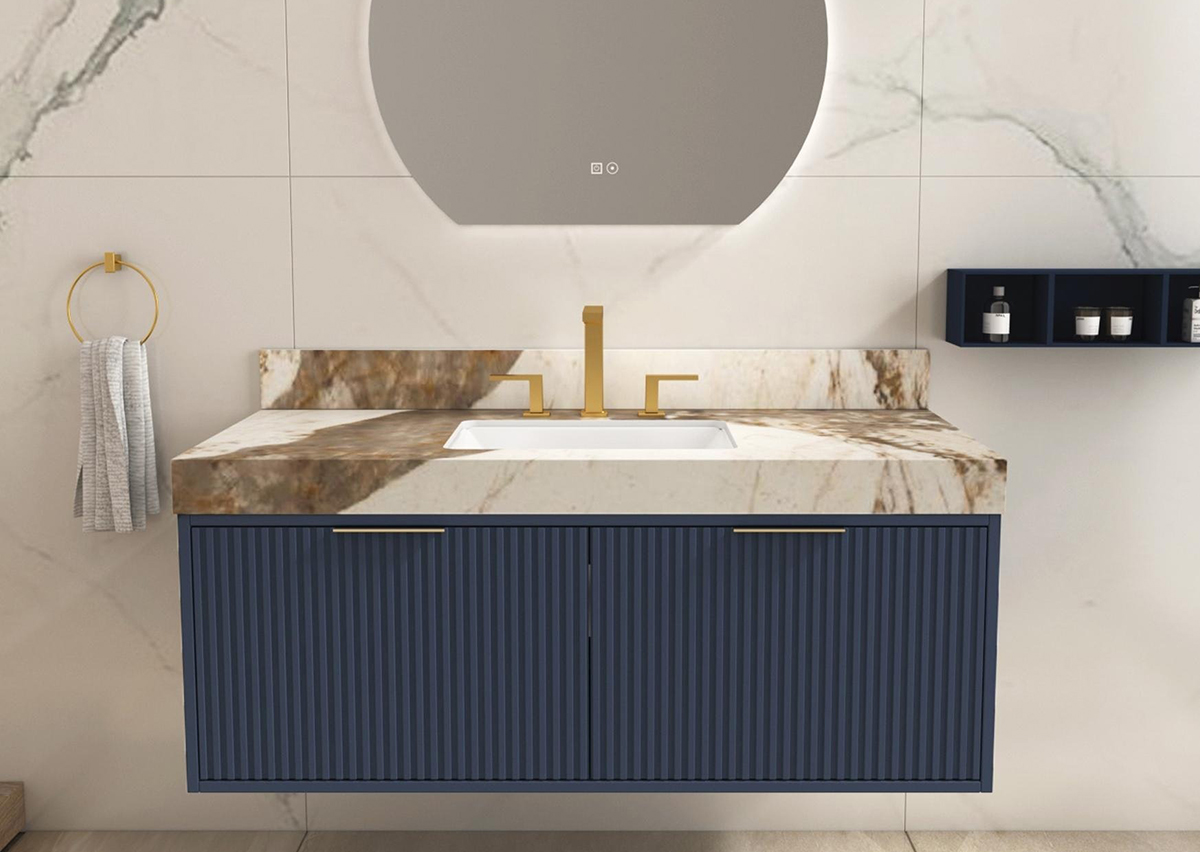
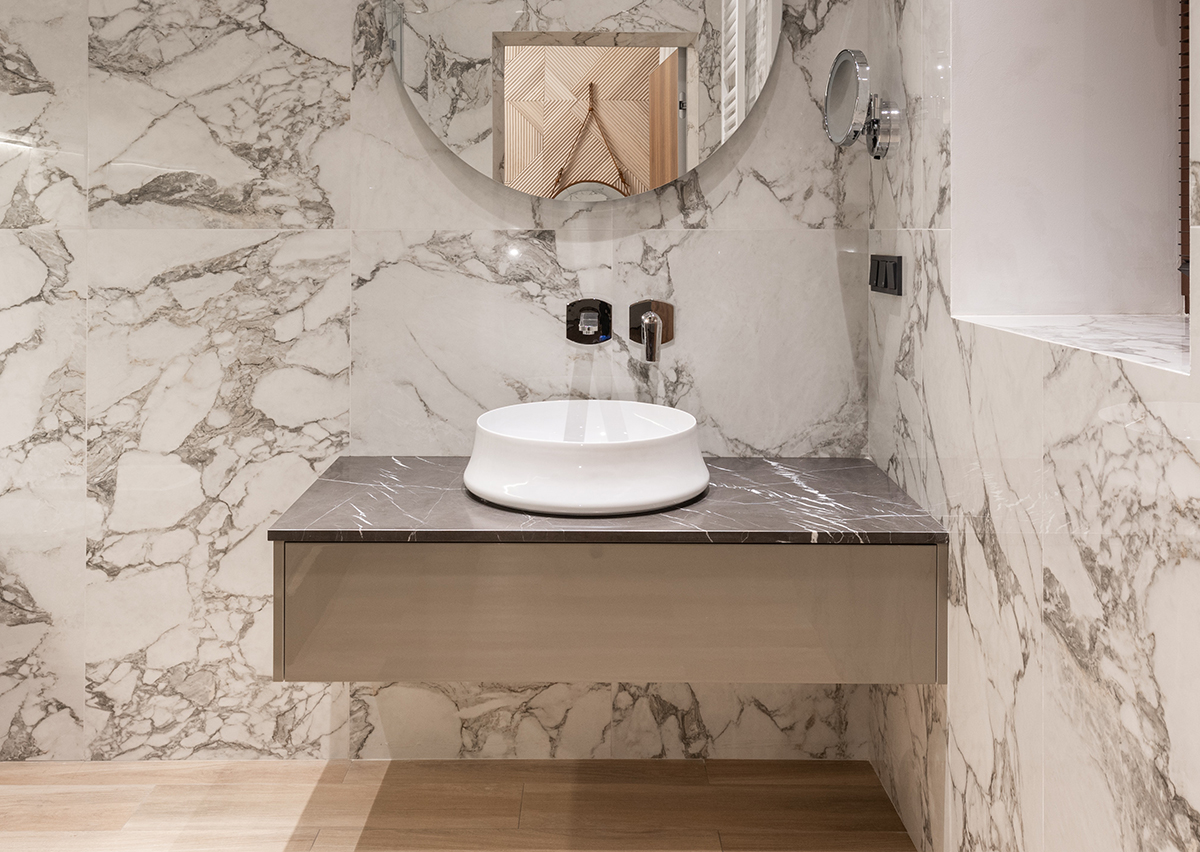
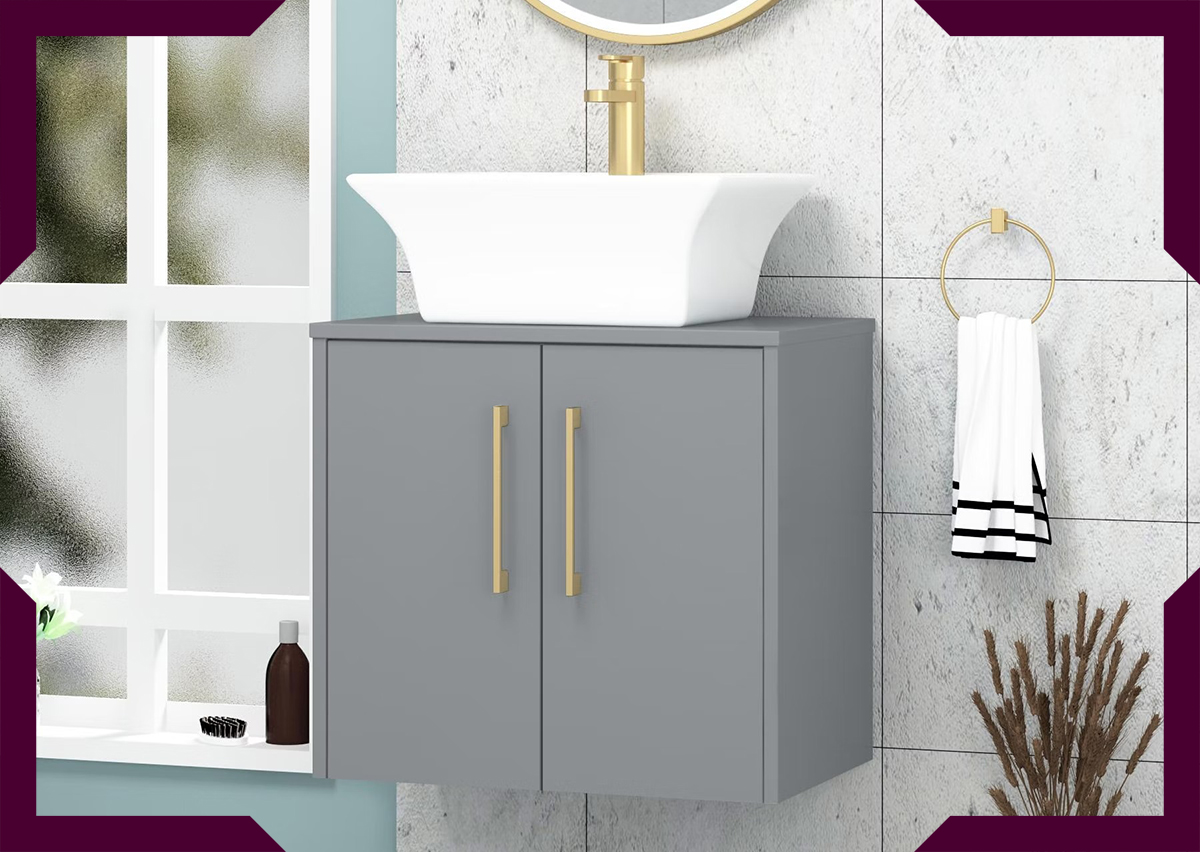
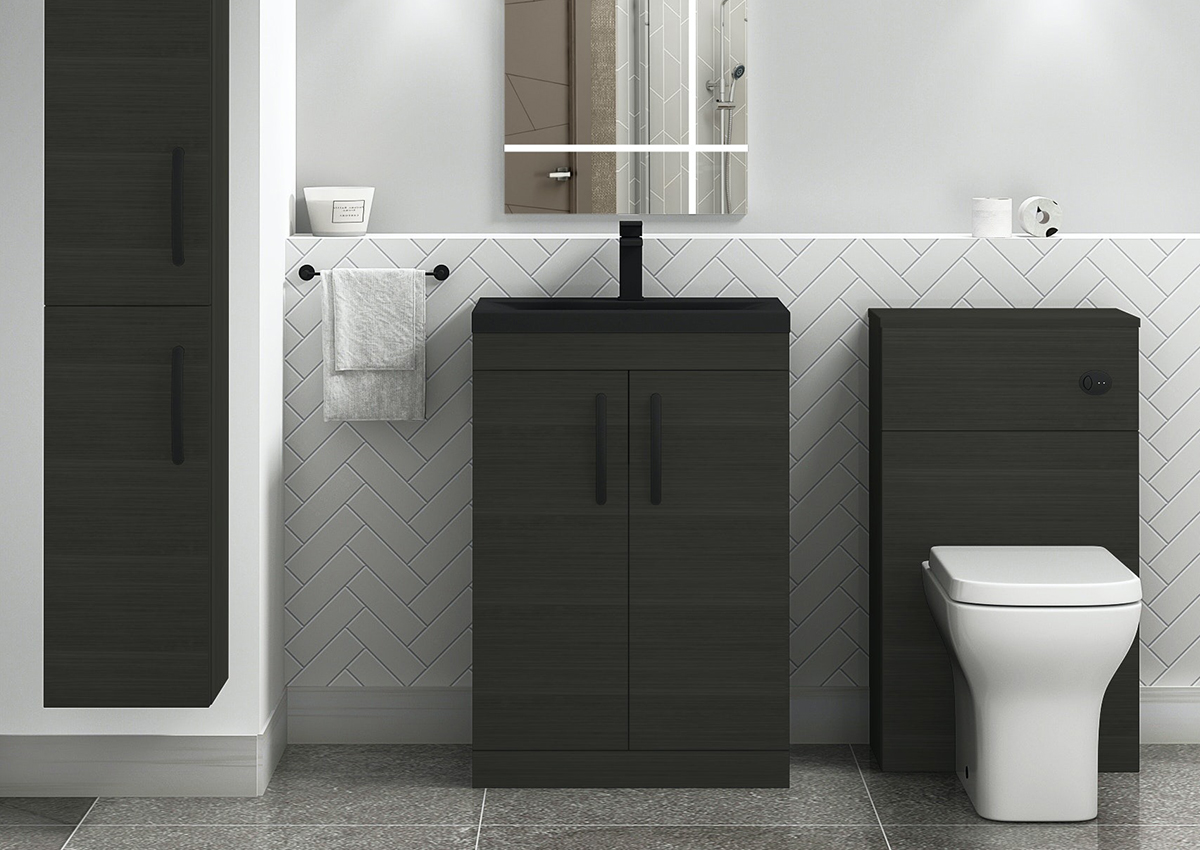
Wall-mounted and countertop basins are excellent for easy access bathrooms since both leave space underneath for easy movement or wheelchair access. The sink height should be right for sitting or standing users. Faucets with lever handles or touch control are better because they don’t need much force to turn. Keep essentials like soap and towels close, so no one has to bend or stretch too much.
Keep daily items like soap, towels, and tissues close by so users don’t have to stretch or bend too much. A little planning helps make the bathroom comfortable for everyone. Add smart and accessible bathroom fittings to make each visit safer and more relaxed.
Upgrade your space today with our comfort-height toilets, wall-mounted sinks, or countertop basins, that fit your needs perfectly.
Lighting, Mirrors and Visual Aids
Good lighting is very important in an accessible bathroom. The space should be bright but soft on the eyes. Avoid harsh shadows or dark corners that can cause confusion or accidents. Combine overhead lights with task lighting near the mirror for clear visibility.
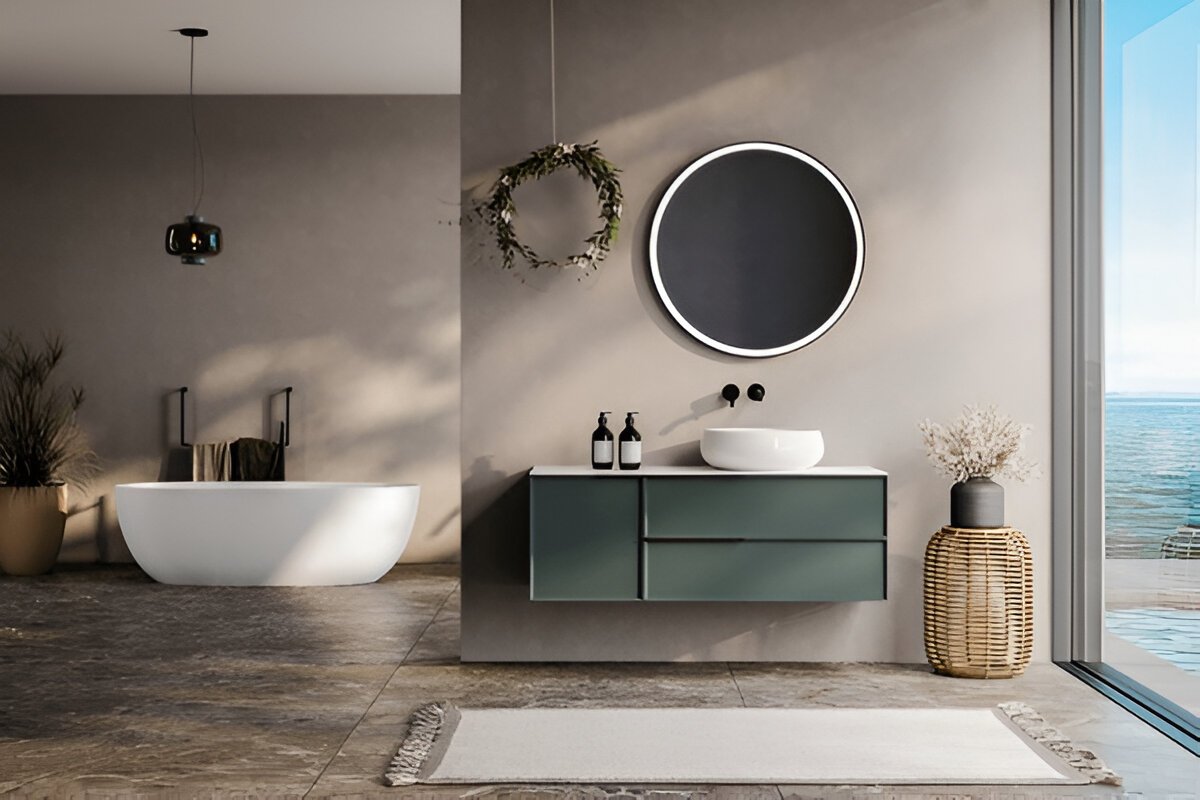
Mirrors should be positioned where both seated and standing users can see easily. Anti fog mirrors help after a hot shower since they stay clear. LED mirrors or those with built in lights make grooming easier and brighten up the space. Motion or touch sensor lights are a plus for seniors who may wake up at night.
Using color contrast also helps those with low vision. Lighter walls with darker floors, or vice versa, make it easier to see edges and objects. Adding colored borders or cues near handles or switches gives clear guidance and prevents mistakes.
Add LED mirrors and sensor lights from our collection to make your bathroom handicap accessible space brighter and safer.
Safe Flooring, Walls and Materials
Flooring in an accessible bathroom should always be non-slip. Textured tiles, rubber flooring, or slip resistant mats are good choices. Smooth transitions between the shower and floor keep the area safe and easy to walk on. Avoid rugs or loose mats that can move underfoot.
Walls and materials should resist moisture and be easy to clean. Vinyl wall panels or ceramic tiles work well because they handle humidity without damage. Make sure there are no sharp corners or rough edges that could hurt someone if they lose balance.
Doors, Handles and Storage
Doors should be wide enough for wheelchairs and walkers to pass easily. A width of around 32 to 36 inches usually works fine. Pocket or sliding doors are even better since they save space and open without getting in the way. Explore our sliding door range that blends function with modern design.
Handles should be levers, not knobs, since they are easier to push down with weak hands or wrists. For storage, everything should be reachable without bending too much. Pull out drawers, open shelves, and low cabinets help keep daily items within easy reach.
Tall storage units are also great for keeping towels, toiletries, and cleaning supplies organized. They save floor space and give a neat, modern look to the room. A compact vanity can also help by combining storage with function in one place.
Small touches like these make a big difference. They help the bathroom stay both safe and comfortable for everyone who uses it.
Check out our tall storage units and vanities to bring both style and practicality into your accessible bathroom.
Safety Tips for an Accessible Bathroom
Safety is the foundation of every bathroom handicap accessible design. A few small choices can make a big difference in preventing accidents. Start with non-slip mats near the shower and sink, since water often drips there. Always keep the floor dry. If possible, add a small drain close to the shower area to stop water from spreading.
Grab bars should be installed wherever extra support might be needed, like near the toilet and shower. Make sure they are fixed properly and can handle enough weight. Avoid using towel bars for support since they can break easily. Rounded edges on countertops and furniture help reduce injuries if someone slips.
Keep all essentials easy to reach. Avoid placing towels, soap, or switches too high or far away. Add night lights or motion lights for safety during late night trips. If you have seniors using the bathroom, use gentle lighting that isn’t too harsh on the eyes.
It’s also good to check everything once in a while. Loose handles, cracked tiles, or wobbly bars should be fixed right away. Regular care keeps the bathroom safe and working well for years.
How Much Does an Accessible Bathroom Remodel Cost
The cost of a bathroom handicap accessible remodel can change a lot. It depends on the size of your bathroom, the type of fixtures you pick, and how much work needs to be done. In the UK, small updates like adding grab bars, non-slip mats, and raised toilet seats may cost around £200 to £600.
If you plan a full remodel with walk-in showers, new flooring, and lighting, it can go from £2,000 to £6,000 or more. A full wet room or a luxury walk-in tub setup may reach around £8,000 to £10,000, depending on fittings and materials.
Always check with trusted installers to confirm costs and accessible bathroom dimensions before starting. It helps you understand the cost better and avoid surprises later. Try to focus on quality and safety over fancy looks. A well-designed accessible bathroom is worth every penny because it keeps you or your loved ones safe and comfortable for years.
Final Thoughts
A bathroom may seem like just another part of the house, but for seniors, it can mean freedom or fear. Making an easy access bathroom is more than just about looks. It’s about peace of mind. A few smart changes can bring back confidence and make daily life a little simpler and easier.
Once you decide to get easy access to your bathroom, you don’t have to redo everything at once. Start from making minor yet impactful changes, like putting up grab bars, adding brighter lights, or using a shower seat that feels steady. Little by little, and step by step, these changes turn a bathroom into a space that feels safe, warm and full of care.
In the end, an accessible bathroom is more than just a design choice. It’s a way of showing love and respect for the people who once cared for us. When a space feels easy and welcoming, it gives back something truly special, independence and comfort.
Frequently Asked Questions
What is the ideal height for toilets in accessible bathrooms?
The ideal height for accessible toilets is usually 17 to 19 inches (43–48 cm) from the floor to the seat. This height makes sitting and standing easier, especially for seniors or those with knee or hip pain. It reduces strain and helps maintain better balance.
How can non-slip materials reduce bathroom accidents for seniors?
Non-slip materials add grip underfoot, lowering the chance of slipping on wet floors. Textured tiles, vinyl flooring, or anti-slip mats create traction, especially in areas like showers and near sinks. They are one of the simplest and most effective ways to make a bathroom safer.
What are the biggest risks seniors face in a standard bathroom?
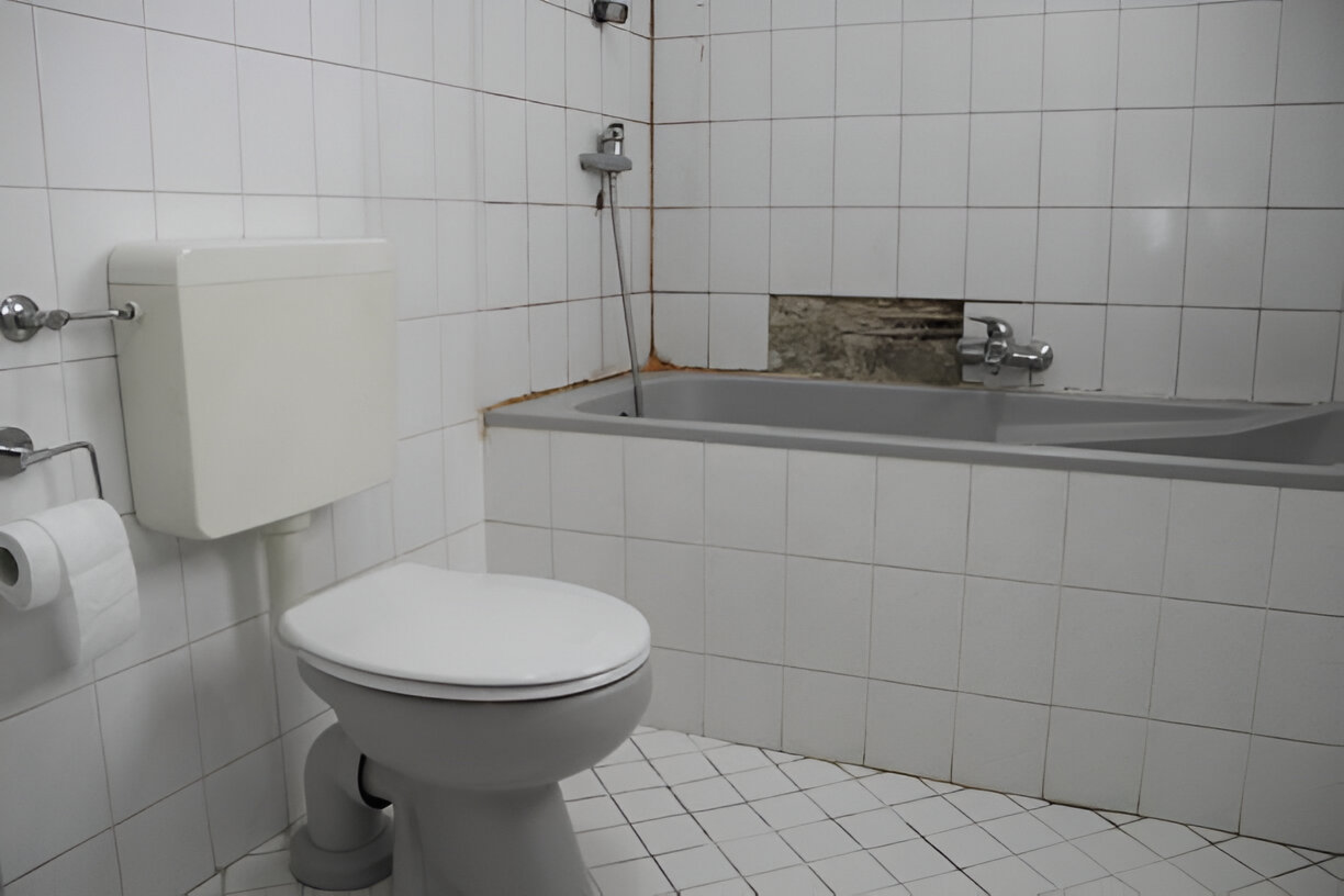
The main risks include slippery floors, high bathtubs, poor lighting, and hard-to-reach fixtures. These can lead to falls or injuries, especially for people with weak balance or slower reflexes. Replacing these with safer options like walk-in showers, grab bars, and bright lighting greatly reduces danger.
How soon should families plan bathroom accessibility changes for aging parents?
It’s best to plan early, ideally before mobility issues become serious. Making gradual updates such as adding grab bars, non-slip flooring, and a comfort-height toilet can help seniors adjust comfortably. Early planning avoids rushed renovations after a fall or accident.
What’s the safest shower option for older adults — walk-in or roll-in?
Both are great, but roll-in showers are the safest and most versatile option. They have a flat, barrier-free entry that works for wheelchairs and walkers. Walk-in showers are also very safe for most seniors since they have very low thresholds and can include seats and handheld showerheads.
What’s the minimum bathroom size for wheelchair or walker access?
For comfortable movement, the minimum clear floor space should be around 1500 mm x 1500 mm (about 5 ft x 5 ft). This space allows a full wheelchair turn. Doorways should be at least 32 inches (81 cm) wide for easy access. If space is tight, consider sliding or pocket doors to save room.
What type of sink or vanity works best for older adults?
A wall-mounted sink or open-under vanity is ideal. It provides knee space for wheelchair users and makes cleaning easier. The height should be around 30–34 inches (76–86 cm) for easy reach. Faucets with lever or sensor controls are best for weak hands or arthritis.
Are anti-scald valves important in an accessible bathroom?
Yes, they are very important. Anti-scald valves prevent sudden changes in water temperature that could cause burns. They automatically balance hot and cold water, which is especially important for seniors with slower reaction times or sensitive skin. Adding these valves gives extra comfort and safety to every shower or basin.