Post Contents [hide]
Bathroom tile paint is a smart, low-risk way to refresh your space. It lets you experiment with bold colours or achieve a sleek, neutral look. However, lasting results depend on proper preparation.
In this blog, we’ll cover the best bathroom tile paints and the essential steps for cleaning, sanding, and priming.
Choosing The Right Bathroom Tile Paint
Condensation and cleaning are constant challenges for UK bathrooms. Even the standard wall paint will not cut it. The best solutions are specially formulated for slick, non-porous surfaces like ceramic and porcelain.
Single Part Specialist Tile Coating
When it comes to DIY, you should look for tile paint that is easier and quicker to work with. Single-part specialist tile coating offers various advantages, such as a good balance of cost, ease of application, and durability.
|
Feature |
Best For |
Considerations |
|---|---|---|
|
High Adhesion Formula |
Wall tiles outside of the shower splash zone. |
Many are advertised as 'one-coat,' but two coats are always recommended for a deep, even colour. |
|
Built-in Resistance |
Areas with general humidity and light splashing. |
Look for products that specifically mention Aquaresist Technology or high resistance to temperature variations. |
Two-Part Epoxy Systems (The Ultimate Durability)
For ultimate durability, especially if you are painting bathroom floor tiles directly inside the shower cubicle, a two-component epoxy paint is the hardest-wearing solution. This two-part paint is made of a resin and a hardener that are mixed just before use. This creates a chemical bond that results in a rock-hard, non-porous, waterproof finish. The best use case for this type of paint is a bathroom floor that is a high-traffic area and bathroom shower walls (direct water immersion).
Epoxy paints have a limited pot life ( time before they set in the tin), so you must work quickly. Another important consideration is that they are more challenging to apply but offer longest longest-lasting results at the same time.
How To Paint Bathroom Tiles?
You would not believe that the durability of painted tile is about 90% preparation and 10% paint.
Deep Clean and Degrease
-
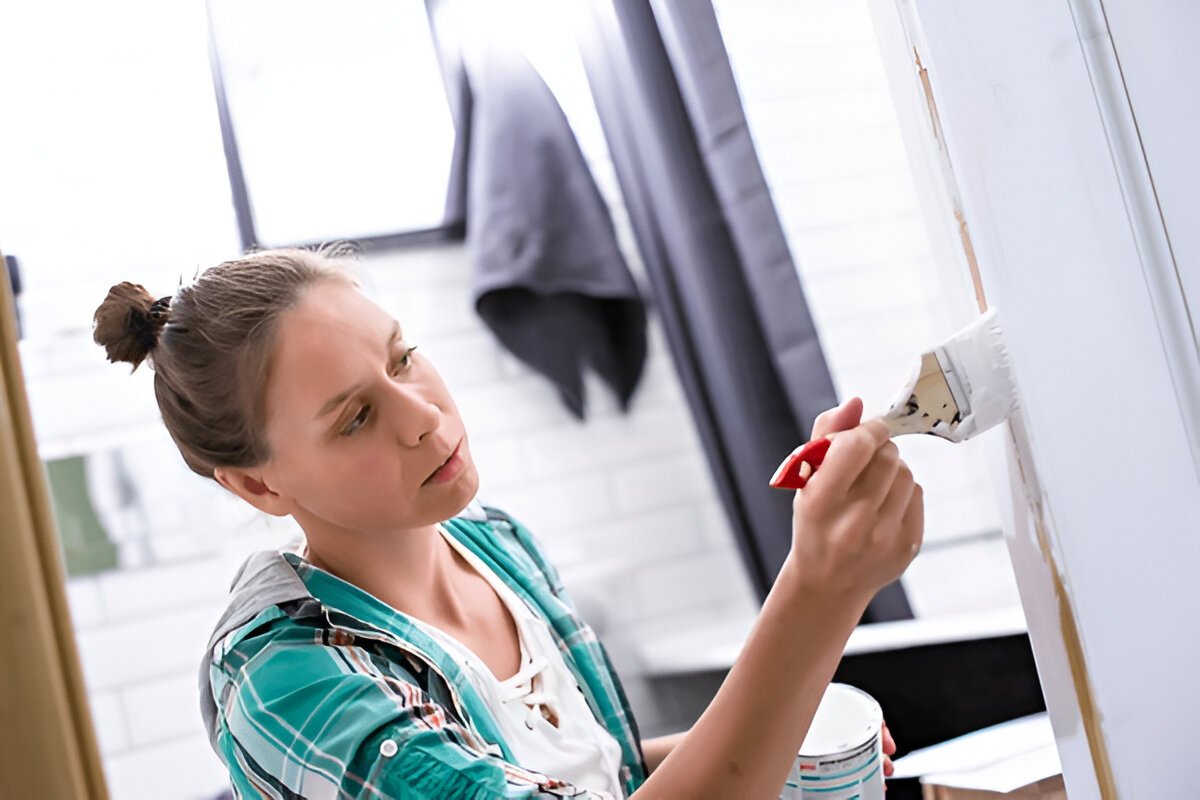
Technically, the first step is scrubbing with sugar soap. Simply use a powerful degreasing cleaner (often referred to as sugar soap in the UK) to remove every trace of soap scum, body oils, and grout residue. A stiff scrubbing brush is essential for the grout lines.
-
Residue from the cleaner can prevent paint adhesion. So, rinse the entire surface multiple times with clean water until there are no slippery traces left.
-
Don’t forget to dry the tiles after painting. The tiles must be bone dry. Use a clean cloth and allow air to circulate for at least 24 hours.
Create a Key
-
Lightly scuffing the glossy surface with fine-grit sandpaper (e.g., 120-grit) creates a ‘key,’ a slightly abrasive texture that the paint can grip onto. This step is essential for maximum adhesion, even if your paint claims to be 'no-prep.' Wipe away all sanding dust.
Prime for Success
Even with an all-in-one product, a dedicated adhesion primer can prevent peeling.
-
Look for a high-adhesion primer or a shellac-based primer. These are formulated to stick to notoriously difficult surfaces like glass and glazed ceramic without sanding.
-
Use a small, high-quality paintbrush to work the primer into the grout lines first, then immediately roll over the main tile surface using a short-pile foam roller for a smooth, bubble-free finish.
Best Paint Colours for Bathroom Tiles
Painting offers the freedom to move away from outdated styles and embrace modern bathroom tiling ideas that complement unique bathroom furniture designs.
-
If you want a clean & bright look, then paint all tiles in a Brilliant White or a Soft Warm Grey. This instantly lifts the room, makes the space feel bigger, and gives a sleek, Metro-tile aesthetic look to the wet room, especially when paired with a contrasting grout colour.
-
For a style statement, dark colours like deep Charcoal Grey, Navy, or Forest Green on the wall tiles will create a high-end, dramatic atmosphere. They work beautifully as a dado-height feature wall, contrasting with bright white paint above.
-
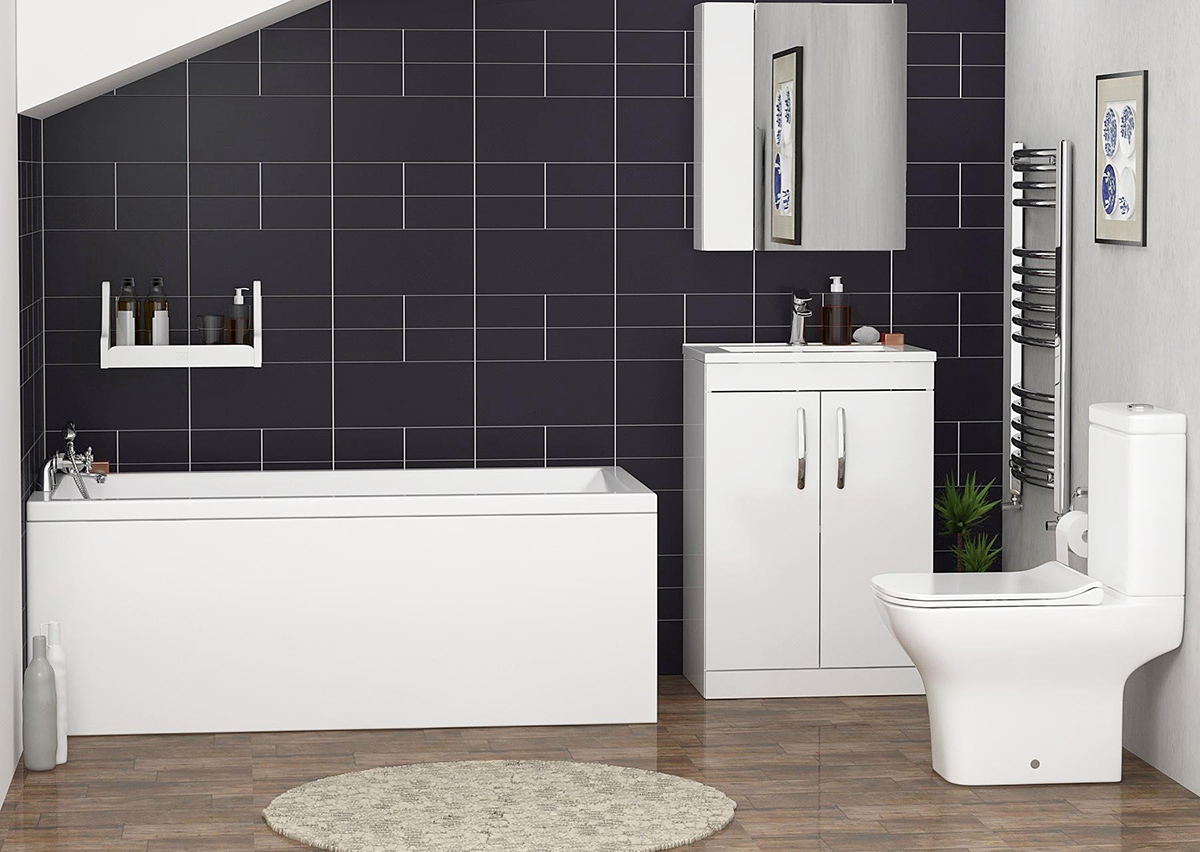
If looking for a modern feel and luxurious feel, opt for hard-wearing, dark tones like Anthracite or Black, which elevates the bathroom’s overall aesthetic by harmonizing with the colours of the vanity units. These colours hide wear and dirt better and provide a grounding contrast to lighter walls.
|
Styling Hack |
How to Achieve It |
|---|---|
|
Contrasting Grout |
Use a darker shade of paint or a grout pen after the tiles have dried to make the grid pattern 'pop.' |
|
Tile Stencilling |
Apply a stencil over a base-painted floor or wall to mimic the look of patterned encaustic tiles for pennies. |
|
Half-Painted Walls |
Only paint the bottom half of the wall tiles, leaving the top half of the wall white. This adds height and simplifies the process. |
The Cure Time
Once you have completed the final coat, the product needs time to cure. This is the time when the paint hardens and develops its full water-resistant properties.
-
Wait at least 3 days before light use (e.g., washing hands).
-
Wait 5 to 7 days (or as specified) before exposing the area to hot water, steam, or heavy cleaning.
Rushing this stage is the number one reason painted tiles fail. Be patient, and your stylish, refreshed bathroom will reward you with a long-lasting finish!
SumUp!
In conclusion, painting bathroom tiles offers a cost-effective and efficient method to update the space without undergoing a complete renovation. Achieving long-lasting results depends on selecting suitable paint, ensuring proper surface preparation, and allowing sufficient curing time. When paired with coordinated colours and furnishings, painted tiles can enhance the bathroom’s aesthetic appeal and deliver a refined, durable finish.
Frequently Asked Questions About Tile Paint for the Bathroom
How long does painted bathroom tile last?
Painted bathroom tiles are generally considered a short-term to mid-term solution. On walls and in low-traffic areas, a good paint job with proper preparation and sealant can last 5 to 7 years or more. However, on floors or in shower stalls with daily wear and constant moisture, you may see wear, chipping, or peeling within one to a few years.
Do painted bathroom tiles chip or peel easily?
Yes, they can chip or peel, especially in high-traffic or high-moisture areas like shower floors and heavy-use bathroom floors. Proper surface preparation (cleaning, sanding) and using a high-quality epoxy or tile-specific paint and a top coat are crucial for adhesion and durability. Failure to prep the glossy tile surface correctly is the most common reason for early peeling.
Are there health or safety precautions to follow when painting bathroom tiles?
Yes, proper ventilation is essential when using tile-specific or epoxy paints, as the fumes can be strong and potentially harmful. You should wear personal protective equipment (PPE), including safety glasses, chemical-resistant gloves, and a respirator mask appropriate for paint fumes. Also, be sure to clean the surface with a degreaser and allow all products to fully cure before using the bathroom heavily.
What is the cost difference between painting tiles and retiling?
Painting tiles is significantly less expensive up front than retiling. Painting typically only involves the cost of specialty paint, primer, and supplies, which is a fraction of the cost of new tiles, adhesive, grout, and professional labour. However, retiling is a more permanent solution that adds greater long-term value and durability.
Which areas of the bathroom are not suitable for painted tiles?
Areas with constant water immersion or heavy friction are generally not suitable for painted tiles. This includes the inside of a bathtub, surfaces that will be submerged in standing water, and often the floor of a shower stall or a frequently used main bathroom floor. High moisture and consistent use will cause the paint to break down and fail prematurely.
What is the drying time for tile paint in a humid bathroom?
While many tile paints are touch-dry within hours, the full cure time is much longer and is especially extended by humidity. Most specialist tile paints require up to 7 days to fully cure and achieve maximum durability and water resistance. It is critical to run an exhaust fan and avoid exposing the painted tiles to direct water or heavy steam during this period.