Post Contents [hide]
- Different Types of Wash Basins for Your Bathroom
- The Importance of Selecting an Appropriate Basin Tap and Waste
- Important Considerations for Selecting your Basins, Taps and Wastes
- Things To Keep in Mind Before Buying Bathroom Sinks
- What to Look for in Taps & Wastes
- Materials Available for Bathroom Basins
- Finding the Right Style Basin at Royal Bathrooms
- Frequently Asked Questions
A bathroom basin is a functional and integral part of your bathroom space. Selecting the right basin can have a significant impact on the look and feel of the space, as it serves an important purpose in your day-to-day routine. However, picking up the right basin for your bathroom is a difficult task on a regular basis due to multiple choices available today.
This guide will break down the different types of wash basins, compatible taps and waste, key considerations when choosing basins to help you make an informed decision.
Different Types of Wash Basins for Your Bathroom
Before considering the purchase of a wash basin, it is vital to know the types of basins available in the market. Each type has its own installation process, look, and function, so you need to get one that is compatible with your space and maintenance needs.
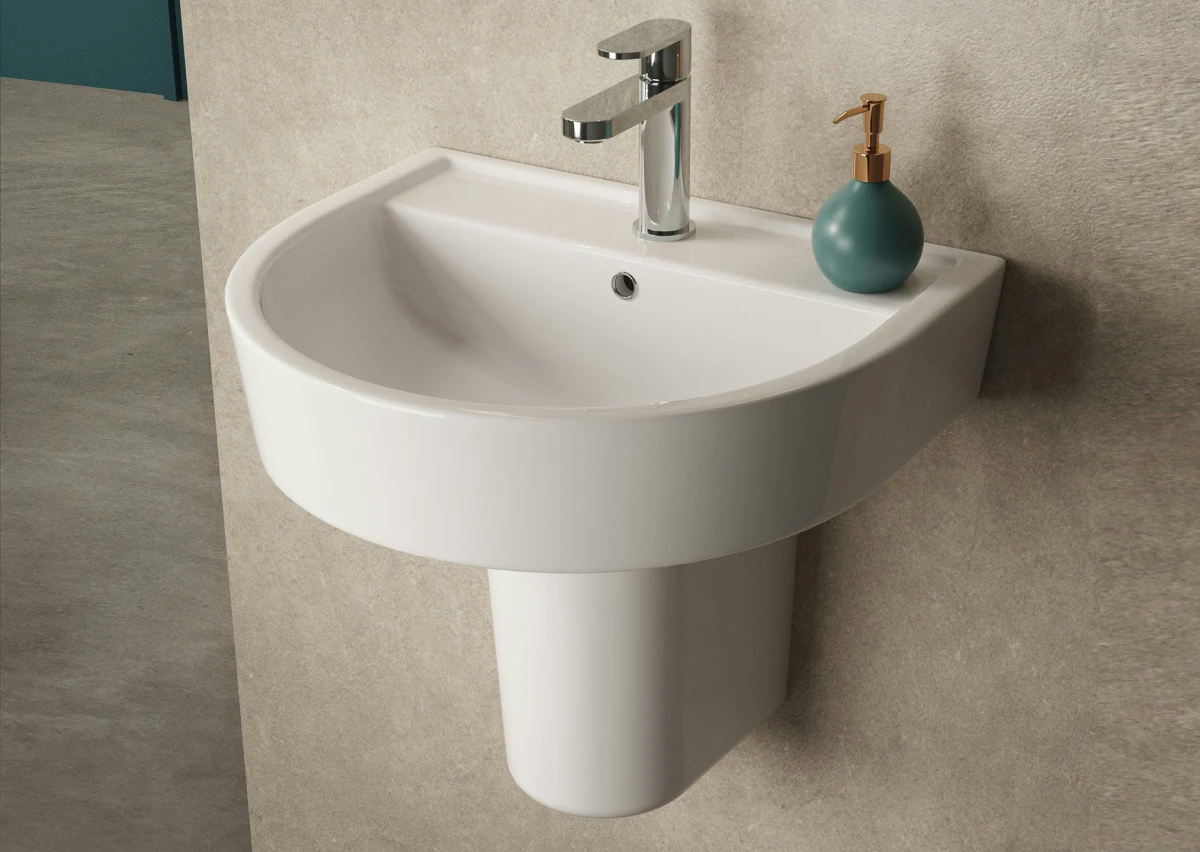
Wall-Hung Basins
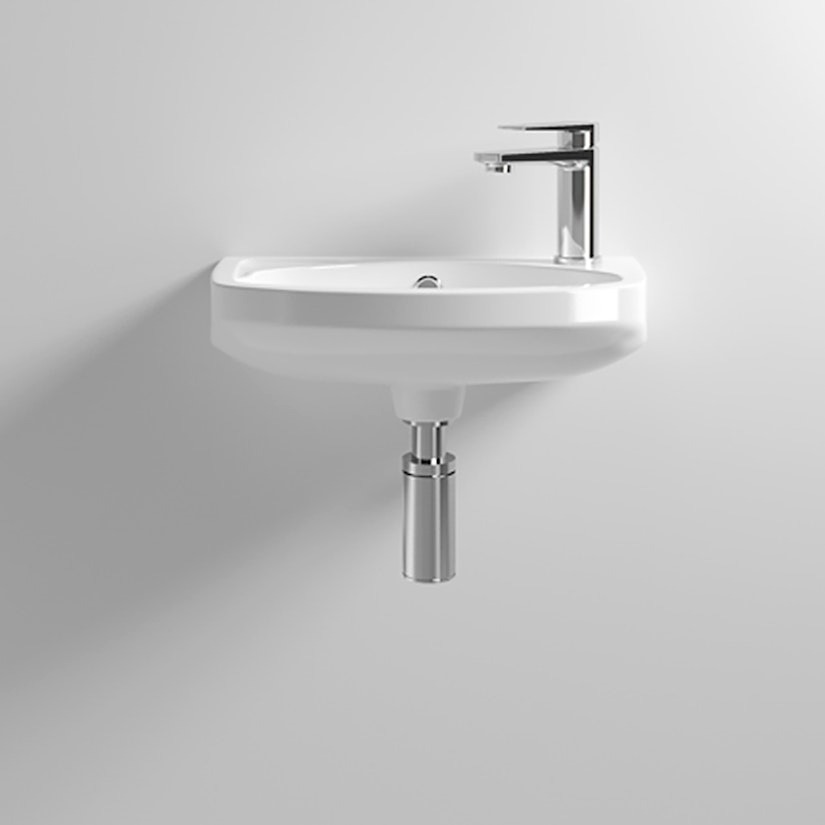
Wall-hung basins are secured straight onto the bathroom wall, so are a fantastic consideration for compact areas. Since they're not linked to the ground, they make the fantasy of a larger space in your washroom and help make it less messy. These basins usually need to be installed by a professional, as they require secure fixings into the wall and hidden plumbing for a clean finish.
Best Tap: If you want a seamless look, go for wall-mounted or monobloc taps.
Best Waste: Slotted waste with bottle traps for effective drainage.
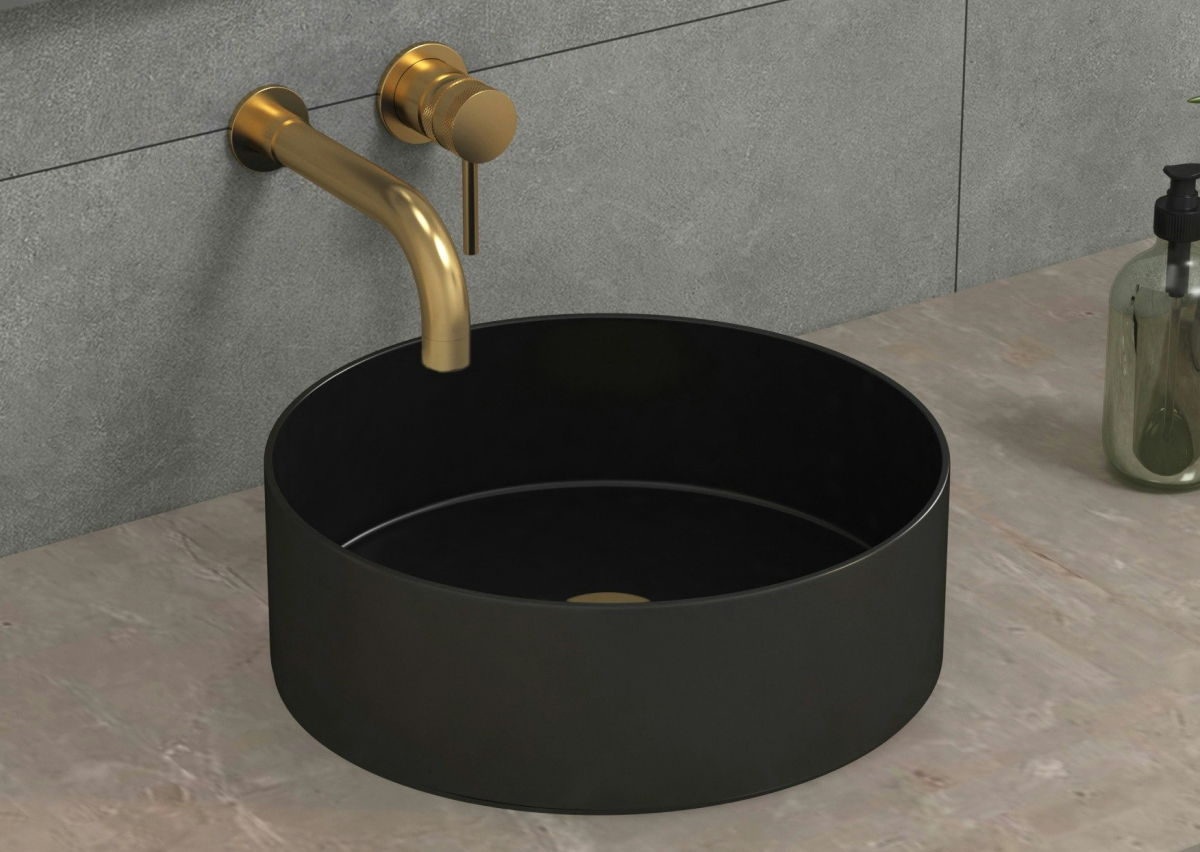
Countertop Basins
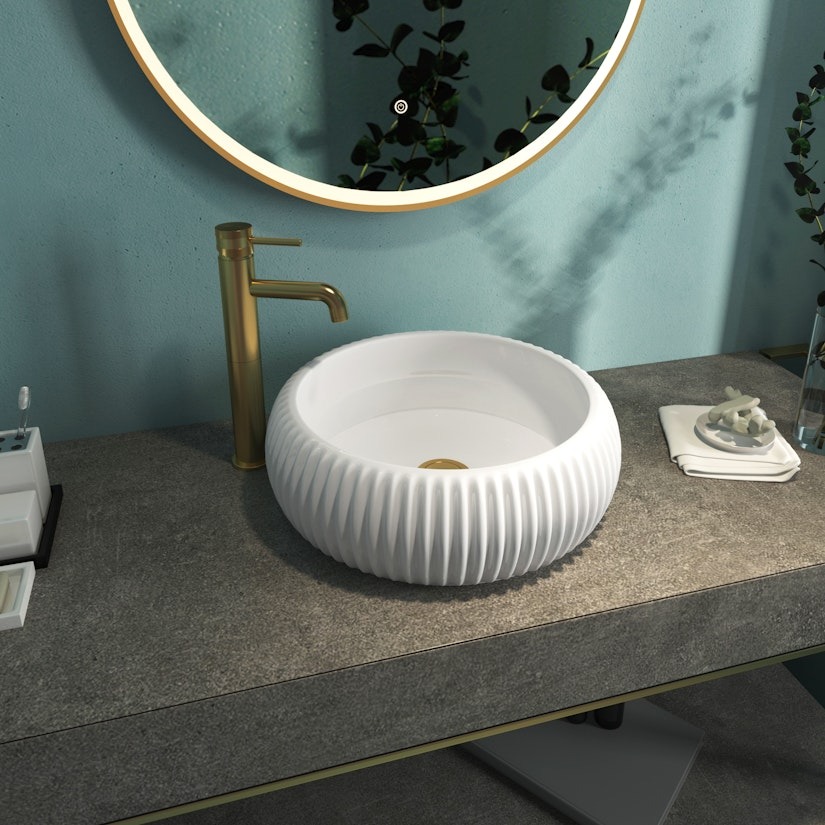
Countertop basins are also known as vessel bowls, sitting entirely on top of a vanity unit or countertop. These basins are trendy and comes in various shapes and materials, helping to add a lavish element to bath space. Countertop basins are versatile when it comes to placement. They can be placed where they sit outside of the vanity, which makes them a good option for both modern and traditional bathrooms. They also widen storage underneath the counter — no built-in basin needed.
However, the installation of countertop basins should be carefully considered to provide comfort, as well as functionality. To make up for the increase in basin height, the height of the countertop needs to be adjusted so there is no awkward, uncomfortable way to wash.
Best Tap: Use tall monobloc taps or wall-mounted taps for a sleek and elegant appeal.
Best Waste: Click-clack waste unslotted for a contemporary and clean look.
Cloakroom Basins
Cloakroom basins are smaller sized basins, designed for use in small bathrooms and en-suites, helping you to save space. They are often wall-mounted or pedestal-based and have a shallower bowl to save space while continuing to be functional. When selecting a cloakroom basin, check for size compatibility, tap hole location and storage requirements. Certain models also feature built-in shelving or corner layouts to better utilization of space. Their small size makes them a perfect fit for bathrooms of any size.
Best Tap: Compact monobloc or pillar taps to save you space.
Best Waste: Slotted waste provides drainage to the overflow basin.
Corner Basins
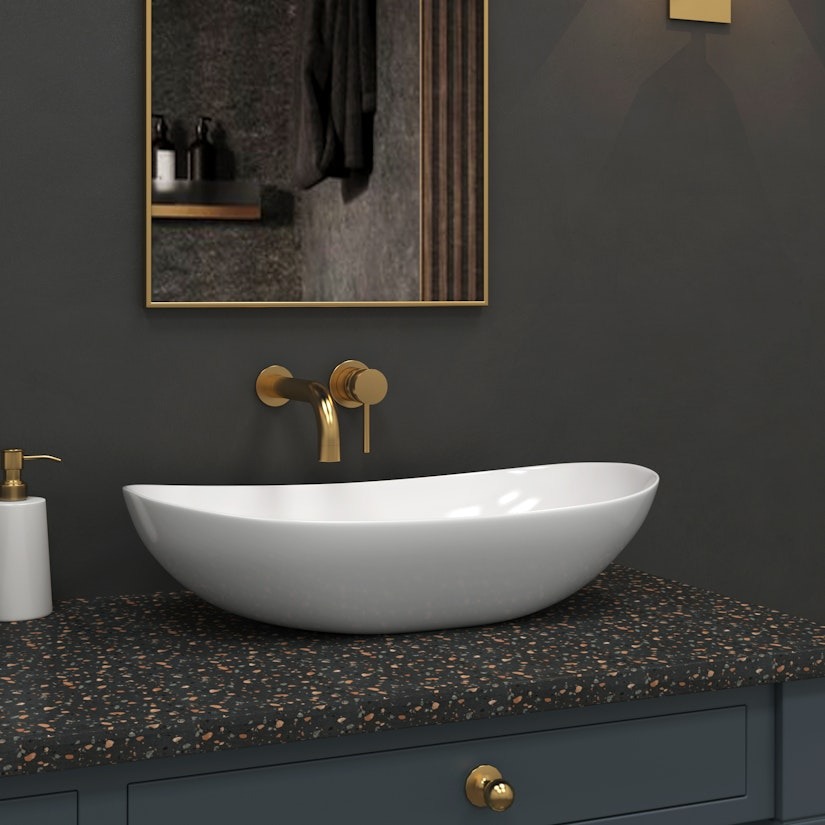
Corner basins are another great option for bathrooms with less space, as these are designed to fit into corners. Wall-hung or pedestal-supported, these basins help make the most of every square foot of floor space, and they're ideal for funneling the most function from small bathrooms, en-suites and cloakrooms.
Best Tap: Small monobloc taps or small mixer taps are the best choice.
Best Waste: Slotted waste for an overflow basin, unslotted waste for a non-overflow basin.
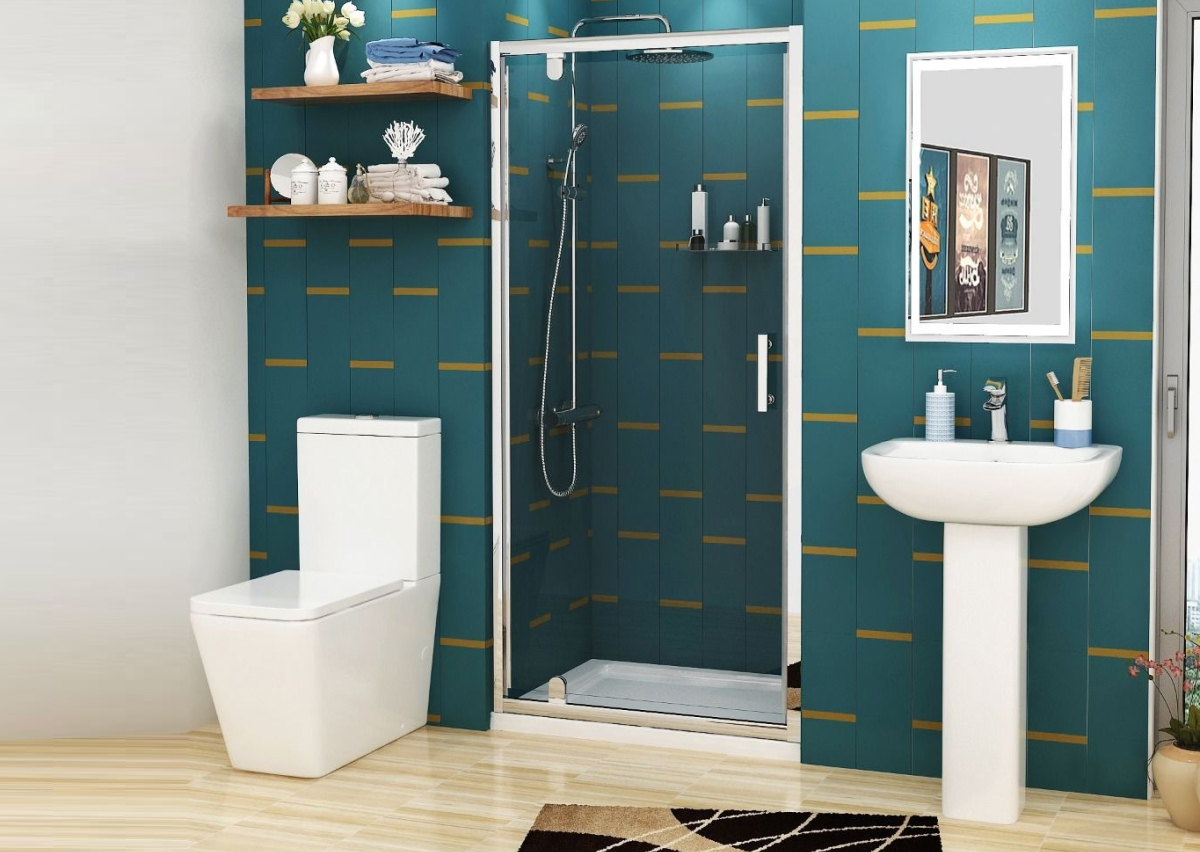
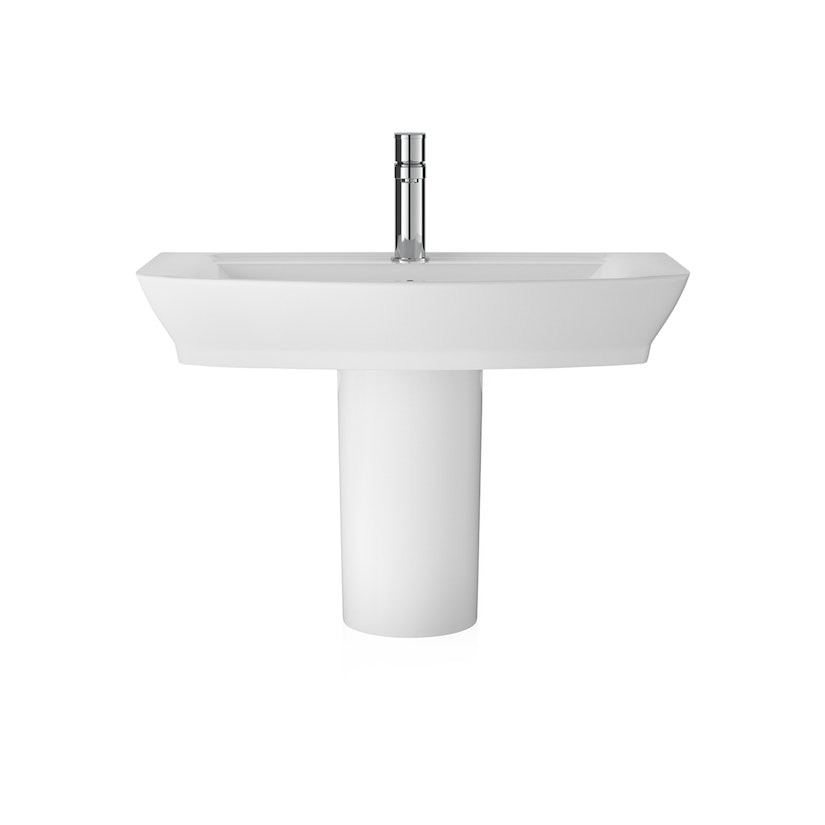
Full-Pedestal Basins
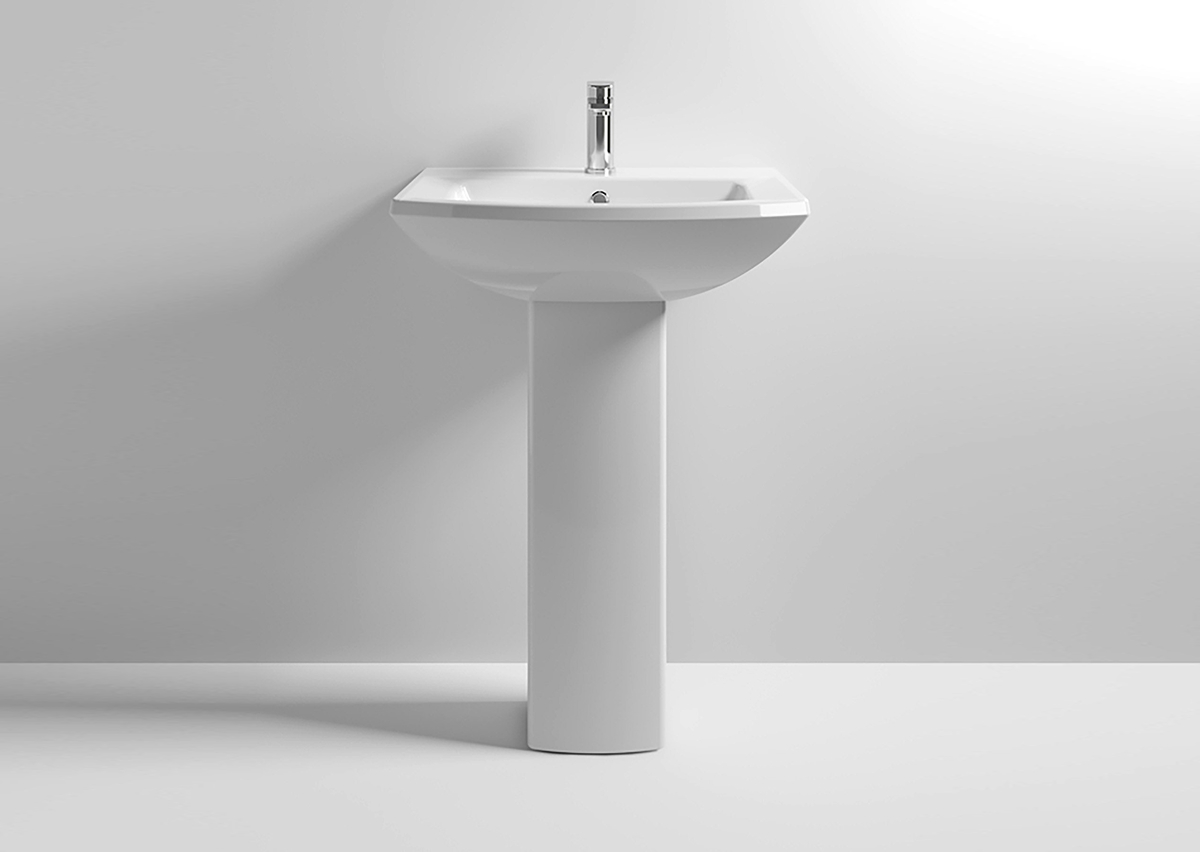
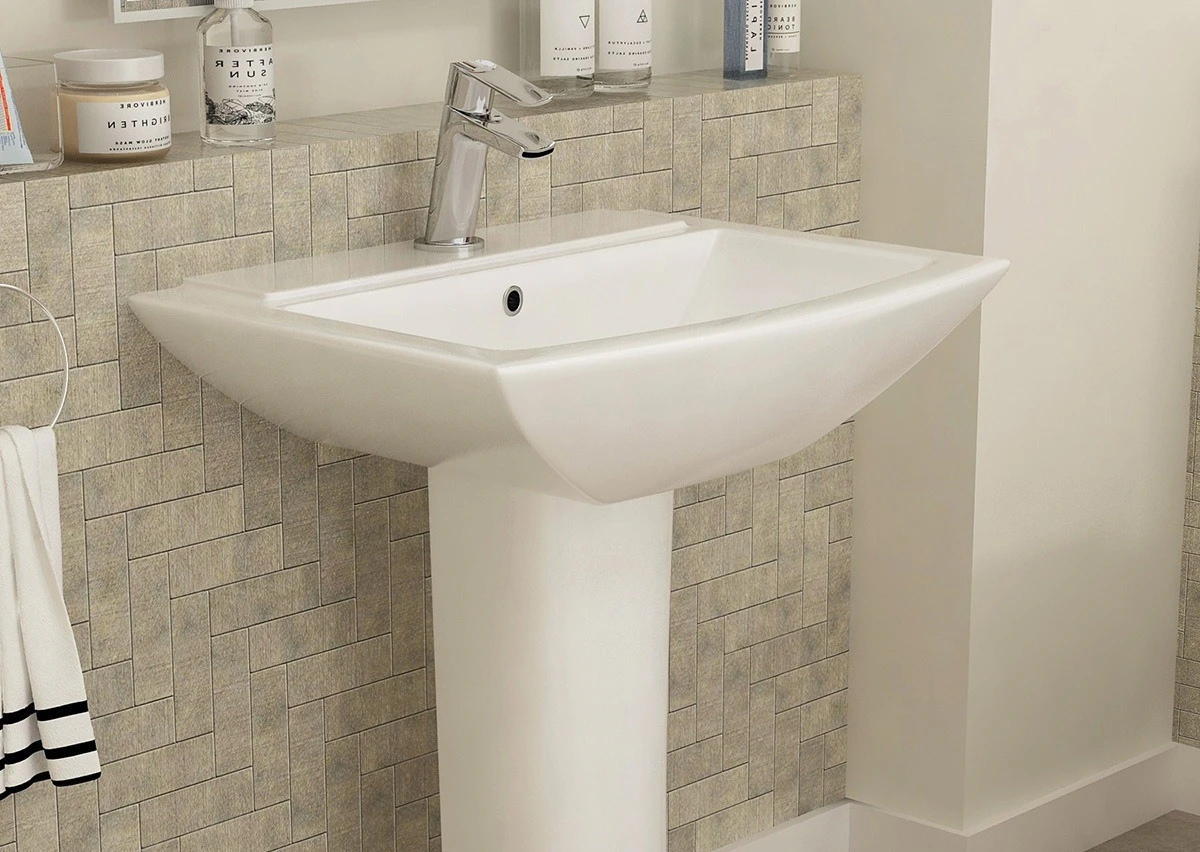
A full pedestal basin leaves the basin supported on a pedestal that goes down to the floor. Pedestal hides the plumbing and gives a solid support to the basin. These basins give a classic and elegant look to the bathroom thus they are the preferred choice for both traditional and modern bathrooms.
Best Tap: Mixer taps or pillar taps depending on design preference.
Best Waste: Slotted waste is the best option as it is designed for basins with overflow holes.
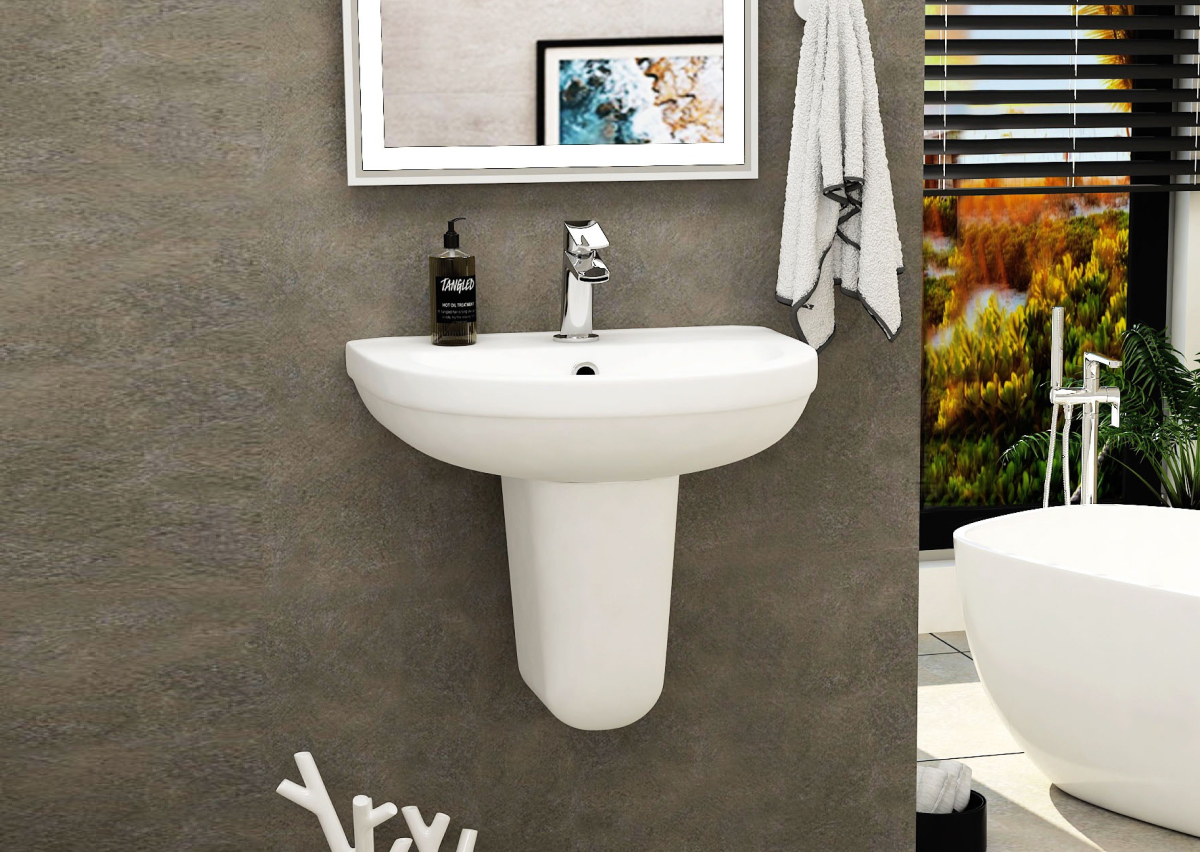
Semi-Pedestal Basins
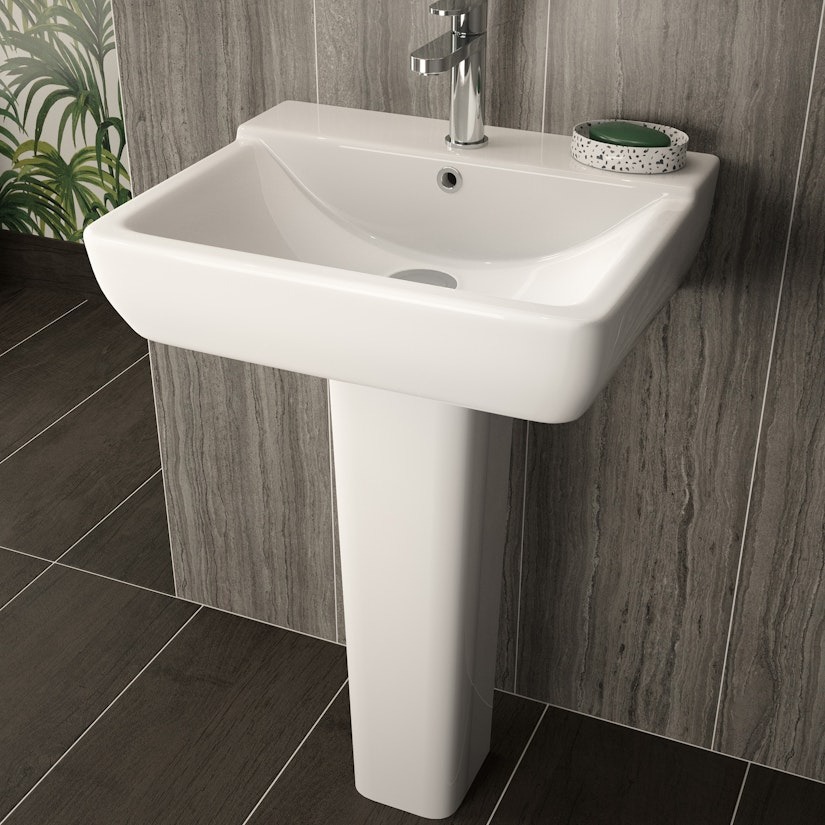
Semi-pedestal basins look like their full-pedestal cousins, but with a shorter pedestal that stops before hitting the floor. This design helps keep a clean aesthetic while making it easier to wipe the floor underneath, which can help give a bathroom a more spacious feel.
Best Tap: Mixer taps for a sleek, contemporary style.
Best Waste: Slotted waste for basins with overflow holes.
Semi-Recessed Basins
Semi-recessed basins are designed for the vanity unit or countertop to go partway under the basin opening; this cabinet or countertop overhangs the front of the basin. This option is a great solution when you want a bigger bowl without it consuming so much space on your counter. It also allows for easy access to the basin with storage below.
Best Tap: Monobloc mixer taps give you more control.
Best Waste: Slotted waste for basin with overflow.
Inset Basins
Inset basins fit into a countertop, with the rim flush or slightly higher than the surface. They are great for modern bathrooms featuring a vanity unit, as they create a seamless and stylish appearance.
Best Tap: Mixer or monobloc taps for easy operation.
Best Waste: Overflow basin models require slotted waste; non-overflow models use unslotted.
Under-Counter Basins
Like undermount bathroom basins, under-counter basins are fitted under the countertop, which makes for a smooth and easy to clean surface space. They fit well in the current bathrooms and are best with stone or solid-surface countertops. These basins provide a sleek and streamlined aesthetic, since the rim is concealed.
Best Tap: Wall-mounted mixer taps for the polished look.
Best Waste: If your sink has an overflow, use slotted waste; otherwise, use unslotted waste.
The Importance of Selecting an Appropriate Basin Tap and Waste
As you have known about different basin types, now another important thing to know is to know the tap and waste types, so that you can make an informed decision and choose the best option that best suits you.
Types of Bathroom Basin Taps
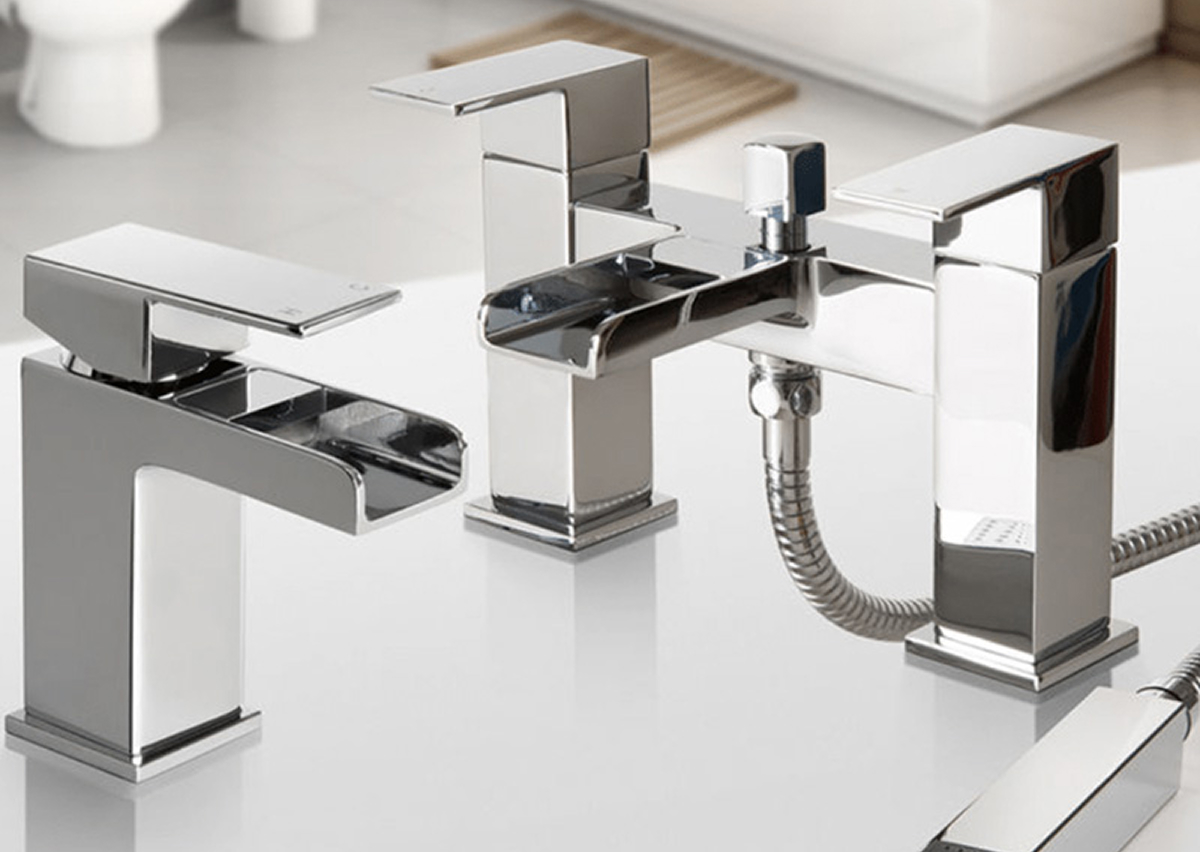
A well-chosen basin tap is not only functional but helps add to the design. Pillar taps give a more classic appearance, using a pair of separate controls to adjust hot and cold water, while mixer taps combine the two in a single spout, improving usability and temperature control. Wall-mounted taps help create a modern and space-saving effect, while monobloc taps use the same lever to control the flow. Waterfall taps create a cascading effect for a touch of style.
Types of Basin Wastes
Selection of the correct basin waste for efficient drainage is equally essential. Click-clack waste works with a straightforward press and slotted waste restores overflow in basins with an overflow hole. No-overflow waste or unslotted waste is great for basins that don't have holes and flip-top waste has a rotating disc to control water easily.
Important Considerations for Selecting your Basins, Taps and Wastes
Now you know the types of basins, taps and wastes available, there are many considerations to keep in mind before you make a purchase. Whether in terms of functionality or harmonious fitting into your bathroom’s layout, plumbing, and overall aesthetic design, the right choice makes all the difference. Below are the important things to keep in mind while choosing basins, taps, and waste.
Things To Keep in Mind Before Buying Bathroom Sinks
One should also consider some important factors while selecting a wash basin:
Bathroom Size & Layout: One of the most important things to keep in mind is the size and the layout of your bathroom as it helps in choosing the best basin. Compact wall-hung, cloakroom or corner basins are perfect for small spaces, while larger bathrooms can get away with a countertop or full-pedestal basin for a touch of luxury.
Plumbing Considerations: The plumbing configuration you currently have in place will greatly affect the kind of basin you can install. For example, wall-hung basins must have hidden plumbing and countertop basins need adequate support and drainage. However, before you buy, always make sure your plumbing can accommodate your design choice.
Usage & Functionality: Ask about what you plan to use it for and how often. A master or family bathroom needs a tough and spacious basin that can act all day long, while a guest or en-suite bathroom can accommodate a smaller, trendy alternative. The double vanity basins are great for sharing restrooms or also useful for bathrooms that are regularly used by many.
Installation Complexity: This can be particularly relevant for specialized components that may incur an installation fee. Wall-mounted and semi-pedestal basins require professional fitting to avoid potential bowl strain, while countertop basins are arguably the most flexible and DIY-friendly options.
Material & Durability: Wash basins are made of ceramic, porcelain, stone and glass. Ceramic and porcelain offer durability and low maintenance, while glass and stone add a visual touch but take more care to keep from staining.
Cleaning & Maintenance: The basin’s shape and design impact on how easy it is to clean. Countertop basins tend to leave free space on the countertop and need to be wiped regularly to avoid water splashes, under-counter basins reduce the surface clutter and are also easy to maintain.
What to Look for in Taps & Wastes
The right taps and wastes are also crucial in terms of functionality and water efficiency.
Taps: Choose between mounting type, tap hole configuration, water pressure compatibility, material, and finish. As wall-mounted taps conceal plumbing, they are better for more minimalist designs, while deck-mounted options will fit standard predrilled basins. However, select a durable coating, such as chrome, brushed nickel or matte black, for durability. Water efficiency is another important factor. Opt for a tap with an aerator or flow restrictor for example, could help save water while maintaining performance.
Wastes: The basin waste drains the water effectively, and choosing the right kind prevents clogs and pooling of water. For basins with an overflow, you’ll need an unslotted waste, which allows the water to drain away safely when the basin is full, while a click-clack or unslotted waste will work with basins that have no overflow holes. Pop-up and flip-top waste also provide a contemporary, modern mechanism for controlling drainage which is user-friendly. Cross-checking whether the waste is suitable for your basin type will improve efficiency and keep maintenance problems at bay in the long run.
Materials Available for Bathroom Basins
The material used in a bathroom basin and its type plays a role in its durability, aesthetic aspects, and maintenance. The most popular materials for bathroom basins include:
Ceramic
The most common types of material we recommend to our customers are ceramic basins. They are the most durable and easy to clean, resistant to stains and scratches. There are many different styles and finishes available, making these a versatile option for any bathroom.
Porcelain
Porcelain basins have a traditional and classy look. Being non-porous, they are stain resistant and easy to clean. However, they can chip or break if a heavy object is dropped on them.
Glass
Glass is another material used for modern and minimal basins. They add a bit of sophistication and are designed in many different colors and styles. They are easy to clean and non-porous but are brittle and must be used carefully to prevent chipping or cracking.
Stone
Basins made from natural stone, like marble or granite, have a luxurious and sophisticated aesthetics. They are sturdy but also need to be cleaned regularly to avoid stains and water damage.
Stainless Steel
These basins are often used in modern and industrial-style washrooms. They are sturdy, do not rust or corroded, and are easy to clean. But they are susceptible to water spots and scratches.
Resin
As a result, resin basins are lightweight and have a modern design. They are very customizable, allowing homeowners to select from many shapes, colors, and finishes. The smooth and sealed surface of the resin is stain-and-scratch-resistant, so it's both low-maintenance and durable.
Finding the Right Style Basin at Royal Bathrooms
Selecting the correct bathroom basin is vital to achieving a stylish, functional, and comfortable environment. By keeping all the important factors in mind and choosing the right type, you can find the best match for your space. Royal Bathrooms provide a varied range of basins with the best quality according to every type of bathroom style including modern, minimalistic, vintage and traditional, etc.
From a space-saving basin that sits on the wall for a compact en-suite, to a countertop basin for a spa-like feel, our collection will have something for every taste and budget. Our basins are available in a range of shapes, guaranteeing durability, elegance and compatibility with your existing décor.
All our basins are made with high quality ceramic and stone, that ensure long lasting durability and are easy to maintain. We also stock many compatible taps and waste options to make completing your setup easy.
Frequently Asked Questions
What is the standard size of a bathroom basin in the UK?
In the UK, most standard bathroom basins range between 500mm to 600mm at their widest point, but smaller cloakroom basins can be as small as 250mm wide. As larger basins or double vanity basins can exceed 800mm, they’re appropriate for larger bathrooms. The best-fit measurements depend on your available space, user needs, and general layout of the bathroom.
What is the difference between a countertop and a wall-mounted basin?
A countertop basin is a decorative bowl-shaped sink mounted on top of a vanity unit or counter — it has a luxurious feel and provides additional storage beneath. Conversely, a wall-mounted basin fixes directly to the wall with no pedestal or vanity, ideal for small bathrooms where space is limited and for a minimalist, floating design look.
Can I install a bathroom basin myself, or do I need a plumber?
Fit a bathroom basin Installing a bathroom basin can be a DIY-friendly task if it’s a simple swap out, and the existing plumbing is sound. Wall-hung basins or those needing pipework, however, usually require a professional installation to ensure it is properly supported and that it does not leak. If in doubt, consult a qualified plumber.
Do I need a waste trap for my bathroom basin?
Yes, a waste trap is necessary for bathroom basin to stop foul-smelling gases from filtering in through your bathroom drain. Bottle traps (including P-traps) are the most common types, which are designed to keep your plumbing system hygienic and functional. The type of waste trap that you will require will vary between the design of your basin and your plumbing configuration.
What are the best cleaning products for ceramic basins?
To keep a ceramic basin shiny, the solution of mild detergent and vinegar or non-abrasive bathroom cleaners can be used. Do not use harsh chemicals or abrasive scrubbers, as that can destroy the finish and cause dullness with time. Frequent cleaning stops limescale build-up and maintains your basin as new.
Why is my bathroom basin draining slowly, and how can I fix it?
A slow-draining basin is usually a sign of a clogged waste pipe, caused by hair, soap scum, or debris collecting. You can attempt to clear the blockage with a plunger, by pouring down the drain a combination of hot water with parking powder and vinegar or using a drain-cleaning agent. Now, if the above measures do nothing, and if the dishwasher isn’t getting filled, you can check the waste trap under the basin and clean it. In more extreme cases, you may need to call in a plumbing professional.
What are the latest bathroom basin trends in the UK?
Modern designs, including countertop basins and wall hung basins, are becoming more popular because of their streamlined, space-efficient attractiveness. Other popular features include natural materials such as stone, marble and wood, which provide a nice spa-like feel. Smart basins with water-saving features and sensor taps are also increasingly popular, catering to the rising demand for sustainable bathroom solutions.
What is the best type of basin for a small bathroom?
In smaller, tight bathrooms, wall-hung, corner, or compact cloakroom basins are ideal space-saving options. They are spacious yet functional basins. Semi-recessed basins set with slimline vanity units will also handle storage solutions without crowding a small space.