Post Contents [hide]
Radiators are the reliable backbone of home heating, yet many homeowners unknowingly waste energy and money with inefficient systems. Poor performance leads to cold spots, longer boiler run times, and higher utility bills. But with the right approach, your radiator can deliver maximum warmth while cutting costs.
In this guide, we reveal essential maintenance tips, smart upgrades, and control strategies that boost radiator efficiency and help you save on heating bills—turning your radiator into a powerful, cost-effective home heating solution.
Basic Essential Maintenance
The single most effective way to address how to increase the efficiency of radiators is through proper maintenance and preparation. These steps ensure the hot water is performing optimally inside the unit.
A. Bleed Your Radiators and Release Trapped Air
Trapped air is the enemy of efficiency. Because air is lighter than water, it settles at the top of the radiator, preventing hot water from utilising the entire heating surface. This creates cold spots and forces your boiler to run longer and harder to achieve the desired room temperature.
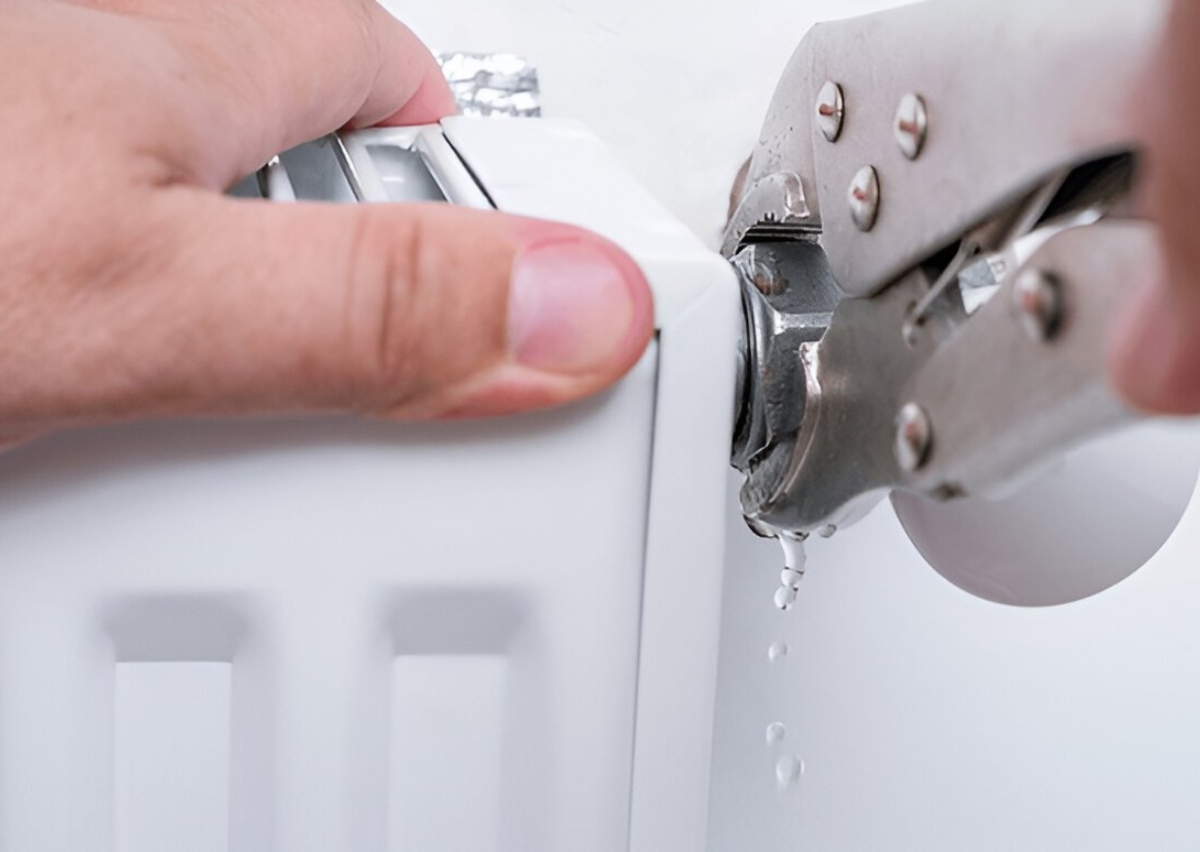
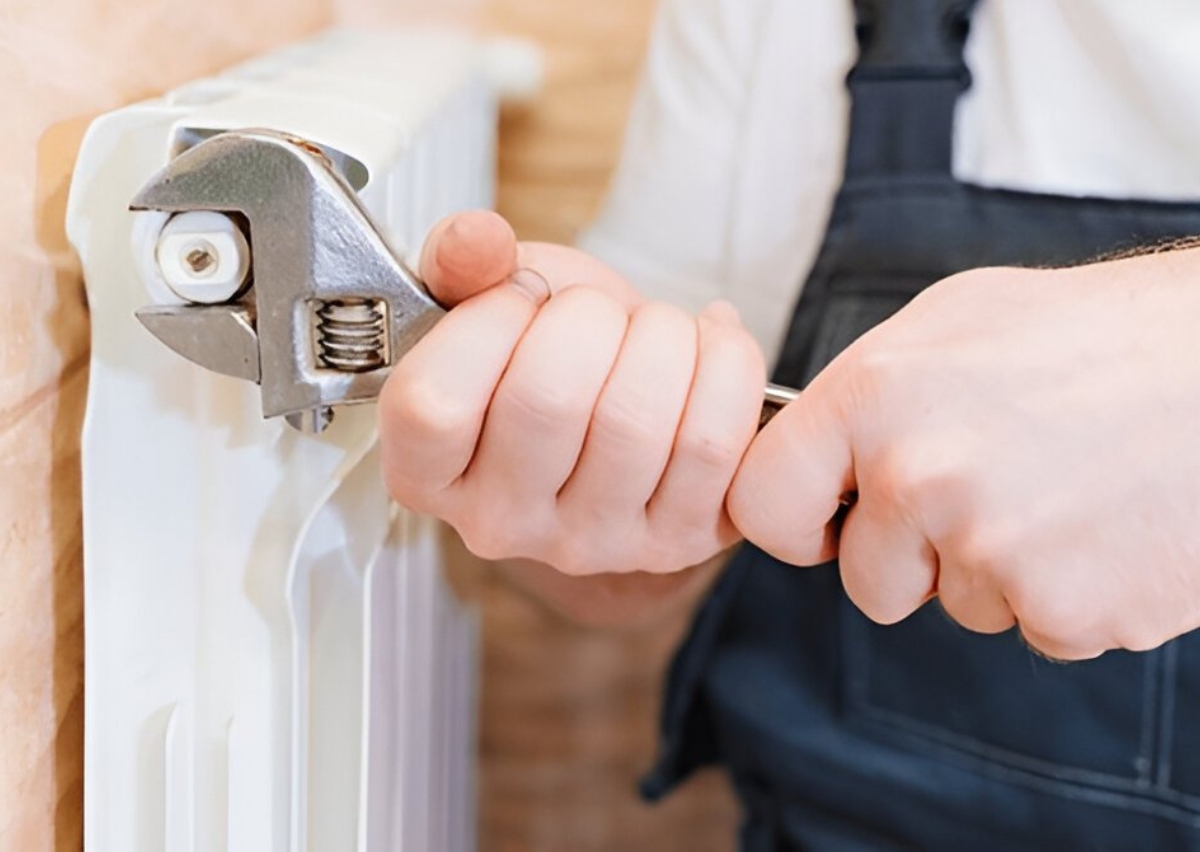
If a radiator is warm at the bottom and cold at the top, it needs bleeding. To resolve this problem, you will need to use a radiator key to carefully open the bleed valve ( usually a small screw-like fitting at one end of the top). You will hear a hiss as the air escapes. As soon as a steady stream of water appears, close the valve immediately.
Does bleeding a radiator improve efficiency? Absolutely. By removing air pockets, you allow 100% of the radiator's surface area to be heated by hot water, maximising its output for the same energy input.
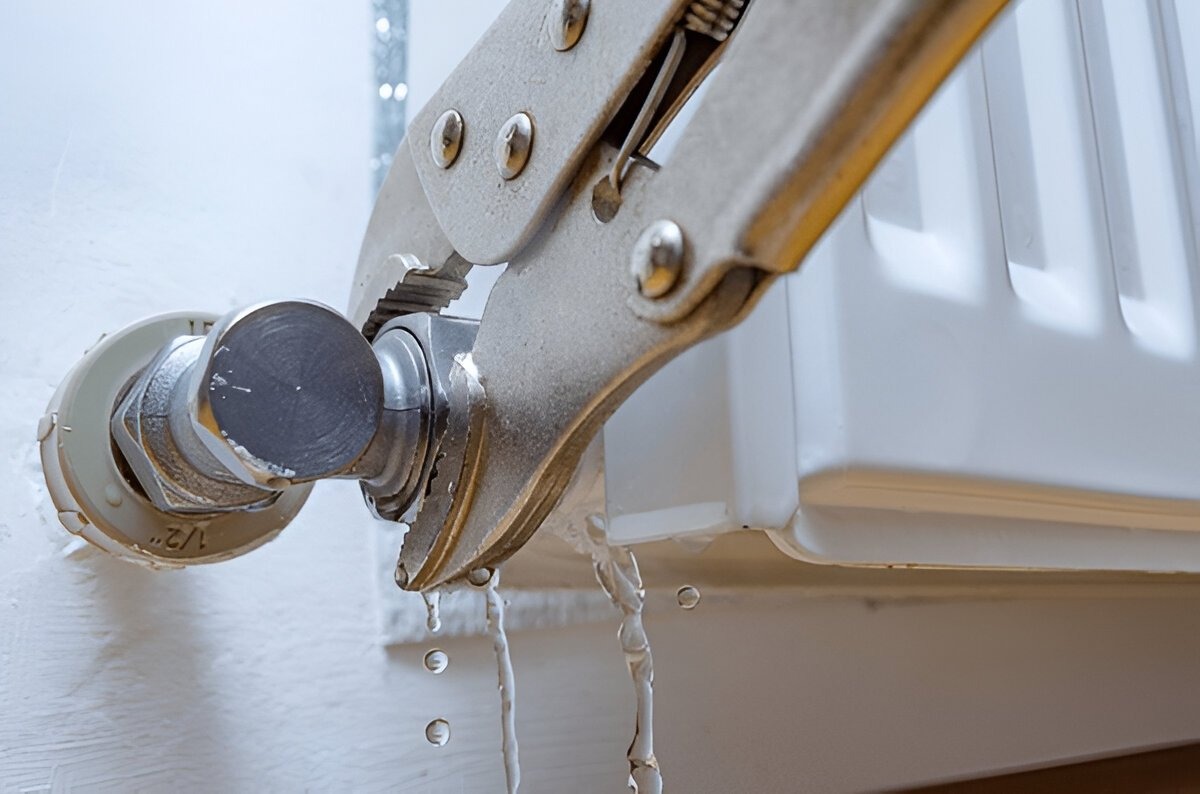
B. Balance Your System: Ensure Even Heat
System imbalance is a common inefficiency where radiators closest to the boiler heat up rapidly, "stealing" the hot water and leaving distant radiators lukewarm. Balancing the radiator ensures an even flow of hot water across all units.
To identify this problem, feel your radiators when the heating first comes on. If some are scorching hot within minutes while others lag, balancing is needed.
There are the steps you need to do to balance your radiator:
-
Turn off the central heating and allow the radiators to cool down.
-
Fully open both the Thermostatic Radiator Valve (TRV) and the lock shield valve (the cap you must remove) on every radiator.
-
Turn the heating back on.
-
Starting with the radiator closest to the boiler, adjust its lock shield valve by closing it fully, then opening it by about a quarter turn. This restricts its flow.
-
Move to the next closest radiator, doing the same but opening the valve slightly more (e.g., half a turn).
-
Continue this process across the house, giving the furthest, slowest-to-heat radiators the widest lock shield opening.
-
Check after an hour: all radiators should now heat up at a comparable speed.
Use Reflectors to Stop Wall Heat Loss
A radiator mounted on an external wall loses a significant amount of heat energy directly into the masonry or outside air. The solution can be easy. Simply install high-quality, professional-grade radiator reflector panels that reflect the thermal radiation back into the room instead of letting the wall absorb it. This practice is especially suitable for older, uninsulated walls. This strategy is often considered the most efficient way to increase a radiator’s efficiency with simple, cost-effective modifications.
Clear the Obstacles To Improve Airflow
A radiator works primarily by convection, which means it draws cool air in, heats it, and circulates the warm air out. That’s why clearing the obstacles to increase its efficiency is worth doing. Simply ensure there are no bulky items like large sofas, heavy curtains or drying clothes directly covering or obstructing the radiator. These items absorb the heat before it can circulate, making the radiator heat itself instead of the room.
A point worth noting here, if you have long curtains, tuck them behind the radiator to ensure the heated air rises into the room, not up behind the window and into the ceiling void.
Seal Drafts to Keep Heat Inside
Your radiator can be working perfectly, but if your home is poorly sealed, the warm air is constantly escaping, and cold air is entering. You must focus on identifying and sealing drafts around windows, doors, electrical outlets and floor gaps. Additionally, you can maintain the desired temperature with less effort and shorter run times, which is crucial to make your radiator work more efficiently.
Smart Temperature Control
Another aspect of enhancing the efficiency of your radiator is Intelligent control over your system's temperature settings, as it significantly enhances your energy savings.
Tune Your Boiler and Find the Sweet Spot
The temperature setting on your boiler determines how hot the water circulating through the radiators will be. Many people are confused about the right temperature settings that create the right balance between heat output and energy consumption.
A common question is 50 degrees hot enough for radiators? While modern condensing boilers are most efficient when the water returns to the boiler below 55 °C (allowing the boiler to condense water vapour and reclaim latent heat), the flow temperature usually needs to be higher, often between 60°C and 75°C.
That means a flow temperature of only 50°C may not be sufficient to heat the room comfortably, forcing your system to run for excessively long periods, negating any efficiency gains. So, it is hard to predict the right temperature and system settings for your space.
You should consult your boiler manual or installer. The goal should be to set the lowest flow temperature that can still heat your home adequately. Lowering the flow temperature can significantly boost the efficiency of a condensing boiler.
Use Thermostats Wisely (TRVs)
The room thermostat dictates the target temperature for your home. When it comes to comfort, many people ask Is 22°C OK for central heating? The simple answer is yes, 22°C is often considered comfortable, but it sits at the higher end of the typical recommendations. The most efficient setting for maintaining comfort is often between 18 °C to 21 °C (64 °F to 70 °F).
Another question in your mind may be is 22°C is too hot for a house? Every degree reduction in your set temperature can result in significant energy savings over the heating season. So, technically, yes, it possibly be too hot for energy saving purposes.
A good piece of advice may be to use Thermostatic Radiator Valves (TRVs) to set individual room temperatures lower than the main thermostat. For example, turn down the TRVs in bedrooms during the day and in unused guest rooms.
Summing it up
Improving radiator efficiency is not about installing expensive new equipment; it’s about applying precision and intelligence to your existing system.
Your efficient home heating strategy should be based on three parts: first, ensuring basics are correct, which may involve bleeding out trapped air, meticulously balancing the system, and ensuring 100% of the heat generated by the boiler is available for the radiator.
Second is strategic modifications that include installing reflective panels (often the most efficient way to increase a radiator’s efficiency for wall-mounted units) and cleaning obstacles.
Finally, moving past the confusion over questions like "Is 50 degrees hot enough for radiators?" and optimising your boiler flow temperature and room thermostat settings (aiming for efficiency over excess, knowing that 22°C is possibly too hot for energy-saving), you gain intelligent control over your consumption.
Frequently Asked Questions
How to improve radiator performance?
The most impactful way to improve radiator performance is through maintenance and preparation. This includes regularly bleeding the radiator to release trapped air and balancing the central heating system to ensure all units heat up evenly. Additionally, placing reflector panels behind radiators mounted on external walls prevents heat loss into the masonry, directing more warmth into the room.
Is it worth replacing old radiators with new ones?
Replacing radiators installed over 15–20 years ago is often highly recommended as a worthwhile long-term investment. Modern radiators are built with better materials and designs (such as increased surface area and double fins) that significantly improve heat output for the same water flow. While the initial cost is higher, they reduce energy consumption over time and help maximise the efficiency of a modern condensing boiler.
Do radiator heat diverters work?
Radiator heat diverters, often small fans placed near or on a radiator, can speed up the dispersal of heated air into the room. They are most effective at reducing heat stratification by moving warm air away from the ceiling level. Although they use a small amount of electricity, they can make a room feel warmer faster, but they do not significantly improve the overall efficiency of the central heating system.
How to increase radiator heat?
To increase radiator heat effectively, ensure the unit is functioning properly by bleeding trapped air and removing obstructions such as furniture or curtains. For a system-wide improvement, adjust the boiler flow temperature (typically between 60°C and 75°C) to circulate hotter water and make sure your TRV (Thermostatic Radiator Valve) is set to a higher temperature.
Are radiator boosters any good?
Radiator boosters are small fans designed to push convective heat into the room more quickly. While they can speed up heating in the immediate area, they rely on electricity and do not improve the core efficiency of the radiator or boiler. As a result, they offer only a marginal benefit.
Why is my radiator cold at the bottom?
A radiator that is cold at the bottom is usually caused by sludge (magnetite) build-up inside the system due to internal corrosion. Unlike a cold top, which indicates trapped air, this issue typically requires professional treatment, such as chemical inhibitors or a full system power flush, to restore proper heat circulation.
Is it cheaper to turn up the heat or use an electric heater?
In the UK, central heating—usually powered by gas—is generally far cheaper and more efficient for heating an entire home over extended periods. Gas costs less per unit of heat than electricity. Electric heaters are best suited for short-term, targeted heating in a single small room. Using them as a primary heat source can significantly increase electricity bills.
What setting should I set my TRV to for energy savings?
For an ideal balance between comfort and efficiency, a TRV setting of 3 is recommended, which corresponds to approximately 18°C–20°C. Use setting 2 for less frequently used rooms and the snowflake or asterisk setting for frost protection when a room is not in use.
Is it cheaper to leave the heating on low all day or use a timer?
For most modern or well-insulated UK homes, using a timer to heat the house only when needed is usually more cost-effective. The heat lost when the system is off is often less than the energy required to maintain a constant temperature. In poorly insulated homes, however, leaving the heating on low can cause inefficiency, making timed heating the better option.